
Last updated November 17, 2026





Free written scope consultation - allowances, timeline, and change-order rules on paper before a single trade is scheduled
How to Hire a Construction Contractor in Lewisville: A Step-by-Step Guide
The most common advice about hiring a contractor is to get three bids and read some reviews. That advice fails in Lewisville, and it fails in a specific way. The lowest bid you receive is often the one most likely to run into permit trouble, not because contractors are dishonest, but because a low bid usually means unlicensed subcontractors who don’t pull their own permits, or materials swapped in after the contract is signed. The bid was cheap because something was left out of it. This guide walks through the process that actually protects you in the Lewisville market: how to verify a Texas license through the TDLR in minutes, which contract clauses matter here, and how to spot the red flags that local building departments see every week.
Styles & brands we work with
- Kitchen remodeling
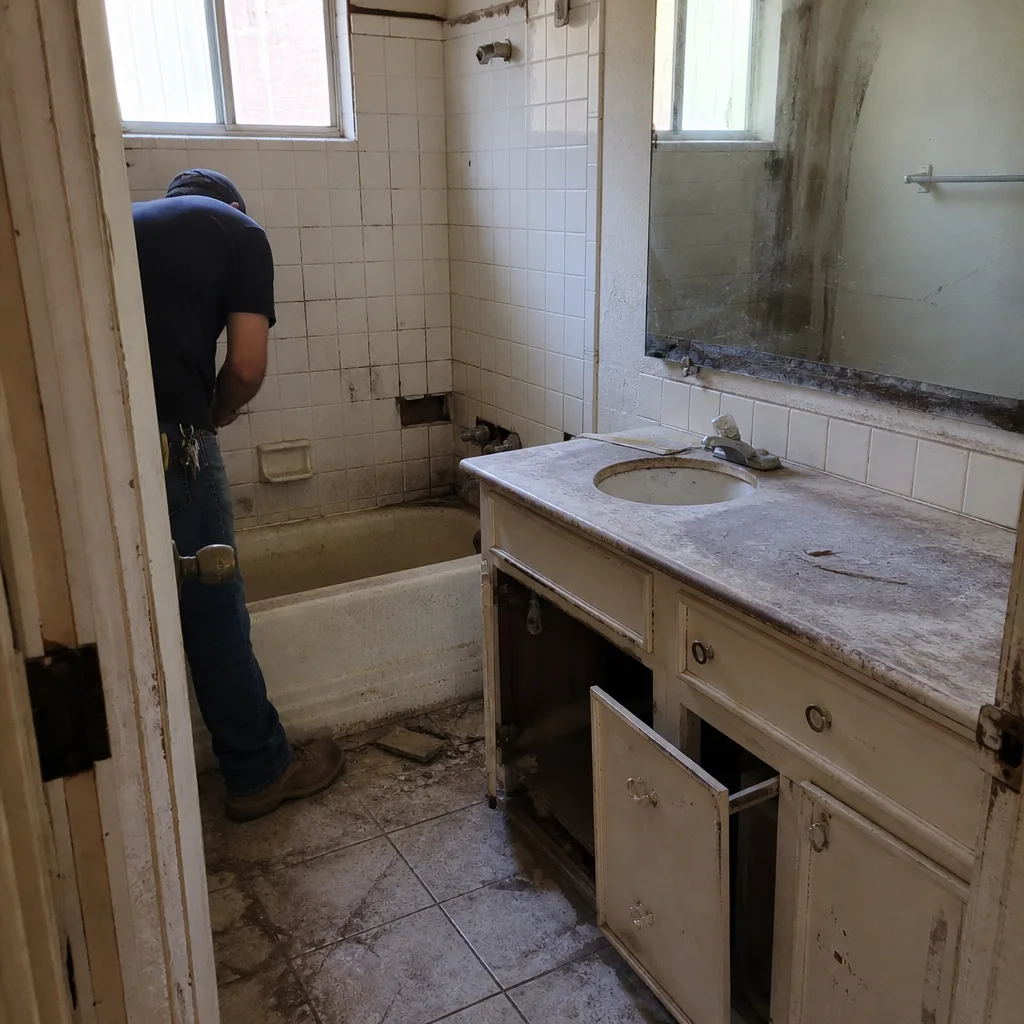
- Bathroom remodeling
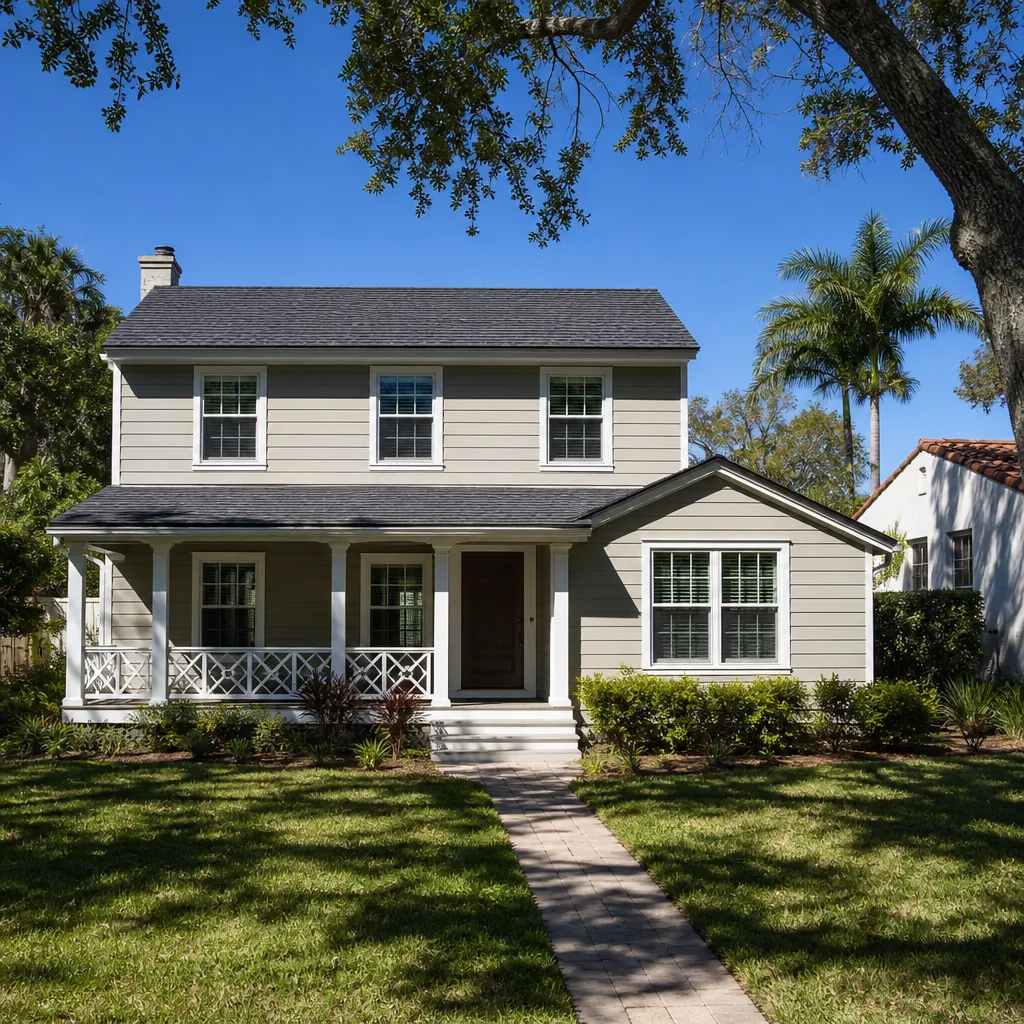
- Home additions & ADU
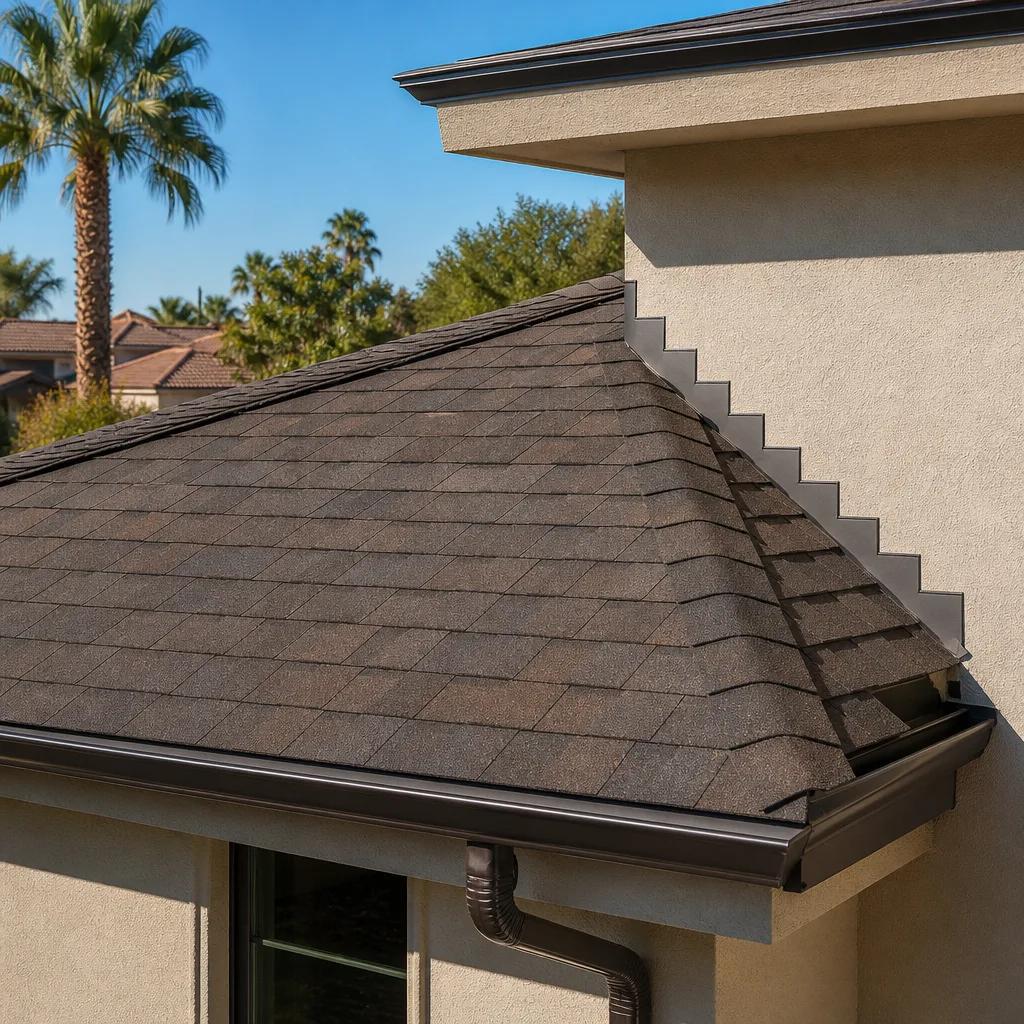
- Roofing
- Windows & doors
- Driveway & pavers
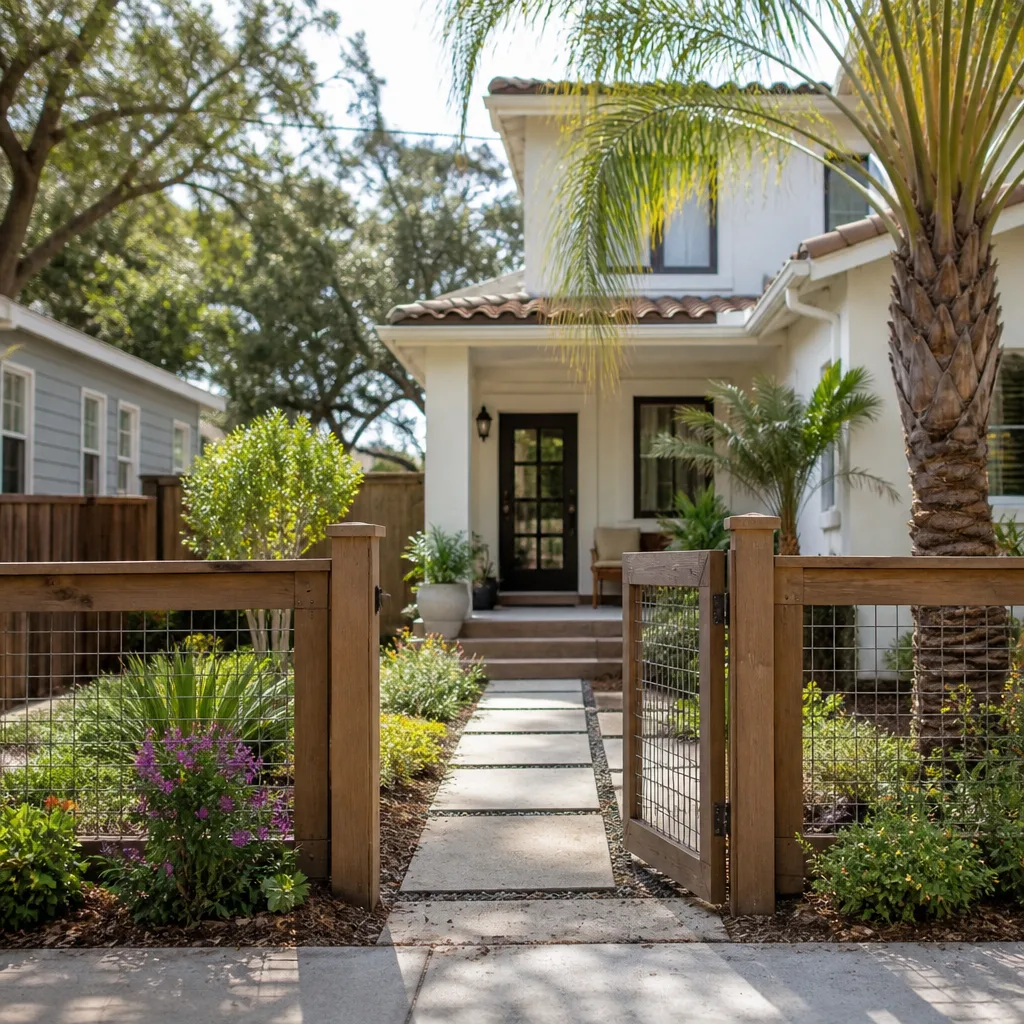
- Fence
Quick Answer
To hire a construction contractor in Lewisville, verify the contractor’s license and insurance through the Texas Department of Licensing and Regulation, get a written contract that names specific material brands and sets lien waiver milestones, and confirm in writing who pulls the permit and who signs the certificate of occupancy. A free estimate from a licensed, insured contractor with a written line-item quote is the baseline. Never let a low number alone decide the job.
Table of Contents
- Why the Usual Hiring Advice Falls Short in Lewisville
- How Do You Verify a Contractor’s License in Texas?
- Which License Class Does Your Project Need?
- What Contract Clauses Should Lewisville Homeowners Insist On?
- How Do You Judge a Contractor’s Material Sourcing?
- What to Ask About Subcontractors Before You Sign
- Red Flags Specific to the Lewisville Market
- How to Compare Bids Without Getting Fooled
- Common Mistakes to Avoid
- When to Call a Professional
- Frequently Asked Questions
Why the Usual Hiring Advice Falls Short in Lewisville
The “get three bids” approach assumes every bid covers the same scope, that permits are handled the same way by everyone, and that a low number reflects efficiency. In Lewisville, none of those assumptions reliably hold. The city has grown quickly, the contractor pool has filled in unevenly, and a significant share of the work is done by crews who move between jobs under several different companies. That structure is where coordination risk comes from. The person who sold you the job is often not the person who shows up, and the permit may or may not be pulled in the right name.
There’s a material markup game running underneath the bids too. A contractor with a direct account with a manufacturer can price a specific product honestly. A contractor without those relationships often quotes a vague “or equivalent” line and then substitutes whatever the subcontractor can get at a discount. The bid looks lower. The finished job is not the same job.
Lewisville also sits in a market where a lot of small contractors list a Lewisville address while operating under another city’s business registration. That matters less for courtesy and more for accountability: when a permit issue comes up or an inspection fails, you want the licensee on record to be the one you can actually reach. The sections below are built around these three realities. Everything here is about making the paperwork tell you the truth before you sign.
How Do You Verify a Contractor’s License in Texas?
You verify a Texas contractor’s license through the Texas Department of Licensing and Regulation (TDLR) public license search on the TDLR website. The search takes about three minutes and returns the license holder’s name, license class, status, and expiration date. Run it before you sign anything, and run it again on any subcontractor named on the contract.
Here’s the sequence we’ve watched homeowners follow, and it works:
- Ask the contractor for their license number in writing, ideally on the estimate or proposal.
- Open the TDLR license search and enter the number, not just the company name. Names get duplicated; numbers don’t.
- Confirm the license status reads active and check the expiration date. An expired license looks identical to an active one on a business card.
- Match the license holder’s legal name to the name on your contract and the name on the insurance certificate. If the contractor signs as one entity and licenses as another, ask why.
- Look at the license class. It needs to cover the work you’re hiring for, which is the subject of the next section.
- Ask for the certificate of insurance separately and confirm the general liability and workers’ compensation coverage is current.
Electrical, plumbing, HVAC, and other trades are licensed by separate state or local authorities, and those licenses are also searchable. A general contractor coordinating a full remodel or a home addition should be able to produce licenses for every sub on the job. If a name isn’t listed anywhere, that’s your answer.
For Lewisville projects that touch the exterior envelope – roofing, windows, doors – it pays to confirm the licensed entity and the permit applicant match. That single check catches most of the problems that surface later. Whether you’re planning a full remodel or something narrower like fence installation, the license check is the first step, not the last.
Which License Class Does Your Project Need?
Texas does not issue a single “general contractor” license the way some states do, which surprises a lot of Lewisville homeowners. What Texas does regulate is specific trades. Electrical work, plumbing, HVAC, and certain other mechanical trades each have their own licensing through the state or the local jurisdiction. A residential contractor for general construction coordinates the job, but the trades under them must be licensed for their scope.
That means the license conversation for your project depends on what’s being built:
- Roofing, windows, and doors: the installers should be licensed where the trade requires it, and the contractor should be able to produce manufacturer authorization for the products they install. Ask for the authorization letter, not just a logo on a truck.
- Kitchens and bathrooms: plumbing and electrical work must be done by licensed tradespeople. A kitchen estimate that doesn’t name a licensed plumber and electrician is telling you something.
- Home additions and ADUs: this is the most permit-heavy category. Construction plans need to be reviewed and permits pulled before work starts. Ask who is pulling them and whose name goes on the application.
- Driveways and pavers: the contractor should know Lewisville’s rules on setbacks and drainage for hardscape work. Not every paver job needs a permit, but knowing which do is a sign of a local operator.
- Fencing: check the height limits and property-line rules before anything is ordered. The permit question varies by height and location.
If a contractor can’t tell you which trades on your job require a license and who holds those licenses, they haven’t thought the job through. For a broad view of how these categories sit under one project, Construction Lewisville lays out the full scope. A single contractor coordinating licensed trades from one contract is far easier to hold accountable than five separate contracts with five separate permits.
What Contract Clauses Should Lewisville Homeowners Insist On?
The written contract is where a low bid turns into a real price or a surprise. Three clauses do most of the protecting: specific brand and product naming, a lien waiver schedule, and inspection sign-off milestones with payment tied to them.
1. Material brand specificity. The contract should name the actual products – not “or equivalent.” If you’ve agreed on a roofing shingle from GAF or Owens Corning, or a countertop from Cambria or Silestone, or a cabinetry line from KraftMaid, those names belong in the contract along with model numbers where they exist. “Equivalent” is a loophole. It lets a subcontractor swap a product after you’ve signed, and you have no recourse because the contract allowed it. We work with more than 50 name-brand manufacturers across roofing, cabinetry, countertops, fixtures, windows, fencing, and pavers, and every one of those selections can be written into the contract by name. If your contractor can’t name the product, the product isn’t specified.
2. Lien waiver schedule. In Texas, subcontractors and suppliers can place a lien on your property if they aren’t paid. A lien waiver schedule sets, in the contract, when the contractor provides waivers from each sub and supplier at each payment stage. It’s the homeowner’s protection against paying twice. Ask for conditional waivers with each draw and a final unconditional waiver at completion.
3. Inspection sign-off milestones. Tie payments to passing inspections and getting written sign-off, not just to calendar dates. A payment schedule that releases a large chunk before inspection is a schedule that leaves you with no leverage. Build it so each stage pays out after the inspection it depends on is documented.
Beyond those three, the contract should state the final price, the scope in writing, the timeline, and the change-order process. It should also name who is filing for permits and who signs the certificate of occupancy. If that name isn’t the contractor’s, ask why.
How Do You Judge a Contractor’s Material Sourcing?
A contractor’s material sourcing relationships protect you when they’re direct accounts with the manufacturer, where the contractor can order specified products and warranty them. They don’t protect you when the contractor uses the relationship as a cover while their subcontractors substitute whatever’s cheaper. The difference shows up in the paperwork, so ask for it.
Here’s what to ask:
- Are you an authorized installer for this product, and can I see the letter? Manufacturer authorizations matter because warranty coverage can depend on them.
- Who is placing the material order – you or the subcontractor? If the sub is ordering, the sub controls what arrives.
- Can you show me the line-item quote from your supplier for the products in my scope? Not the price you’re charging, the product specification.
- What happens to the manufacturer warranty if the product is substituted? Typically it’s void, which is why the substitution clause in the contract matters.
- Which brands can you access in this category, and at which price tiers? A contractor with real selection can match product to budget without cutting corners.
In our experience, the contractors who can answer these questions cleanly are the same ones whose subcontractors don’t substitute. They’ve built direct account relationships across the categories – roofing through GAF, CertainTeed, and Owens Corning; pavers through Belgard, Unilock, and Techo-Bloc; bathroom waterproofing through Schluter systems; fixtures through Kohler, Moen, Grohe, Toto, Blanco, and Delta. That bench gives you real selection instead of a take-it-or-leave-it package. When the specified product is what actually arrives, you get the warranty that goes with it.
For paving work specifically, the range of manufacturer options is a real signal. A contractor working with one brand can only offer that brand’s designs and warranty terms. One working across several can match the design to the site. The driveway & pavers section of the site shows how that plays out across product collections.
What to Ask About Subcontractors Before You Sign
Almost every residential construction job in Lewisville involves subcontractors. That isn’t the problem. The problem is a contract that doesn’t say who the subs are, who’s on site daily, and who’s legally responsible for the permit. Those three questions separate a coordinated job from a fragmented one.
Ask these before you sign:
- Who pulls the permit? The permit must be pulled in the name of the licensed contractor responsible for that scope. If the sub pulls the permit, the sub is the responsible party for inspections, and you need to know that in writing.
- Who is on site daily? Ask for a name and a role. Somebody needs to be the daily supervisor who can make decisions on the spot and communicate with you. If the answer is “the crew lead,” ask which crew and whose employee they are.
- Who signs the certificate of occupancy? On additions and ADUs, the certificate of occupancy is the final sign-off, and the person who signs it carries the legal responsibility for the finished structure. You want that person identified before work starts.
- Are the subcontractors licensed and insured? Ask for their license numbers and certificates of insurance. A general contractor with nothing to hide can provide these quickly.
- What’s the change-order process, and who signs off? Written change orders with pricing before work proceeds, signed by you and the contractor. No verbal changes.
- What’s the workmanship warranty, and is it transferable? Get it in writing with the term and what it covers.
On larger projects like a home addition or an ADU, the subcontractor question is even more important. Prefab and modular builds bring their own coordination – the factory does some of the work, the site team does the rest, and the permit and inspection responsibilities have to be clear at the handoff. The home additions & ADU page walks through how site-built and prefab methods differ, and why the permit chain matters in both.
Red Flags Specific to the Lewisville Market
Some red flags are universal – no written contract, deposit demanded in cash, no phone number on the truck. Lewisville has a few of its own that homeowners miss because they look fine at first glance.
- A Lewisville address but another city’s business registration. This isn’t automatically a scam, but it complicates permit accountability. If the business entity that holds the license isn’t the one registered in Lewisville, and something goes wrong on the permit, the chain to enforcement is longer. Ask which entity will be on the contract and the permit.
- No TDLR license on the proposal. A contractor who won’t put a license number in writing is telling you something. Verify it before you sign.
- Estimates that list materials as “or equivalent.” In a market where subcontractor material substitution is common, this phrase is the single biggest opening for a swap. Insist on named brands and model numbers.
- Permit pulled in the homeowner’s name. When the permit is in your name, you carry the liability for defects that surface later, and you’re the one answering the inspector’s questions. The permit should be in the contractor’s name for work they’re responsible for.
- A crew with no identifiable supervisor. If nobody on site can answer a question about the plan, the schedule, or the inspection, the coordination has already broken down.
- Pressure to sign before the inspection schedule is set. Inspection milestones are a known scheduling requirement for permitted work. A contractor who can’t provide them before you sign doesn’t have the permit path planned.
- Landscaping or paver quotes that don’t address drainage. Lewisville sits on clay-heavy soils that hold water. A paver or driveway proposal that doesn’t address grading and drainage will have problems the first heavy rain. Ask how the plan handles water before the pavers are ordered.
None of these red flags require you to be suspicious by nature. They’re checkable, and the checks take a few minutes each.
How to Compare Bids Without Getting Fooled
Three bids only help if they cover the same scope. The way to make them comparable is to give every contractor the same written scope and then read the bids against it line by line.
Here’s the comparison method that works:
- Write the scope once. List every item: products by brand, square footage, rooms, exterior areas, and the certification or inspection requirements. Send the same document to every bidder.
- Check each bid against the scope, line by line. Mark anything missing, anything vague, and anything added. A bid that’s missing three scope items isn’t actually lower – it just hasn’t priced them yet.
- Compare material specifications, not just totals. If one bid names a specific shingle and another says “architectural shingle,” they’re not the same product. Look at the countertop, cabinetry, and fixture lines if it’s an interior job.
- Compare who pulls the permit. If one bid includes permit pulling and another expects you to do it, add the time and cost of doing it yourself to that bid.
- Compare the payment schedule and inspection milestones. A bid with a schedule tied to inspections is worth more than one with a down-payment and a final payment.
- Compare the warranty and the change-order process. Read both. A workmanship warranty in writing and a written change-order process are part of the price.
- Then compare the totals. Only at this point does a low number tell you something useful.
In our experience, the bids that hold up at the end are the ones that specify the most. We quote from written line items, and the final price is set by the written estimate, not by what shows up in the middle of the job. That’s how every Lewisville project should be priced, because it’s the only way to compare.
Common Mistakes to Avoid
- Choosing on price alone. The cheapest bid in Lewisville is statistically the most likely to end in a permit failure, because it’s usually the one that cut corners on licensing or materials. Compare against the written scope before deciding.
- Skipping the TDLR check. It takes three minutes and catches the problems no review will. Do it for the general contractor and any named subcontractors.
- Accepting “or equivalent” material language. In a market with heavy subcontractor use, this is the most expensive phrase in the contract. Require named brands and model numbers.
- Letting the contractor pull the permit in your name. That puts the liability on you for defects that surface after the certificate of occupancy. The permit goes in the licensed contractor’s name for the scope they’re responsible for.
- Paying large draws before inspections. Tie the payments to passed inspections and signed-off milestones. A payment schedule that’s front-loaded leaves you with no leverage.
- Assuming a Lewisville address means local accountability. Check the business entity on the license against the entity on the contract. If they don’t match, ask why before you sign.
- Ignoring drainage on exterior work. In a clay-soil city, a paver or driveway plan that doesn’t address grading will fail in the first wet season. Ask what the plan does with the water.
When to Call a Professional
Some work is not a homeowner project, and knowing the line protects your house and your budget. Call a licensed professional for anything that touches the roof structure or shingles, any electrical panel or wiring work, gas line work, and any bathroom remodel that involves moving plumbing or rebuilding the waterproofing layer. Bathroom waterproofing done wrong causes damage you can’t see for months, which is why we install with the Schluter system on remodels rather than a basic tile-and-cement approach. If a project requires a permit and an inspection, call a licensed contractor. If an exterior project involves changing drainage or slope, call someone who plans it. This is not work to learn on your own house.
Construction Lewisville offers free estimates in Lewisville, with written line-item quotes, permits pulled and inspections passed, and fixed pricing with no change orders. Call (833) 620-6067. We answer 24/7. Fast dispatch from 7am to 7pm, Sunday through Friday.
Frequently Asked Questions
We don’t quote blanket figures – every project is priced per job by a written estimate, and the written estimate sets the final price. The reason a range is risky is that Lewisville projects vary heavily by material tier (Cambria or Silestone countertops, KraftMaid or Wellborn cabinetry, Kohler or Toto fixtures), the scope of plumbing and electrical changes, and whether permits and inspections are involved. Call (833) 620-6067 for an exact quote – estimates are free.
No, not for the scope in the written estimate. Our pricing is fixed against the written line items, and any change is written and signed before the work proceeds. The way to avoid surprise pricing is to name every material by brand and model in the contract, which closes the substitution loophole that causes most price changes. Call (833) 620-6067 to schedule your free estimate.
Yes – we pull the permits for the scope we’re responsible for, and the permits go in the licensed contractor’s name. On larger jobs like home additions and ADUs, we walk you through which inspections are required and when, so the payment schedule can be tied to them. Call (833) 620-6067 for a project-specific answer.
It depends on the scope, the permit review timeline, and the material lead times. A bathroom remodel runs shorter than a kitchen, and a full home addition is longer than both. The most accurate answer comes after the scope is written and the permit path is confirmed. Call (833) 620-6067 to schedule your free estimate and get a timeline built for your project.
Check the TDLR license number through the state’s public search, confirm the insurance certificate is current, and match the entity on the license to the entity on the contract. Then verify the material brands are named in writing without “or equivalent” language. Those four checks catch most problems. Call (833) 620-6067 if you want to talk through a specific job.
It depends on the height, location, and scope – many fence and driveway projects have permit rules, and the specifics vary. Confirm with the city’s building department before anything is ordered. A contractor who knows the local rules can tell you which projects need permits before you commit. Call (833) 620-6067 for a free estimate on your Lewisville project.
The Bottom Line
Hiring a contractor in Lewisville comes down to four checks: verify the license through the TDLR, name the materials in the contract, schedule the lien waivers and inspection milestones, and identify who pulls the permit and who signs the certificate of occupancy. Those four things protect you. Price comes after them. If you compare bids only after you’ve compared scope, materials, and permit responsibility, the low number becomes meaningful instead of misleading. Construction Lewisville works from written line items with named brands across seven service lines – from the ridge cap to the driveway edge – and our technicians have up to 12 years of experience. Call (833) 620-6067 to schedule your free estimate. We answer 24/7. Fast dispatch from 7am to 7pm, Sunday through Friday.
Written by the team at Construction Lewisville.
See the difference
 Before
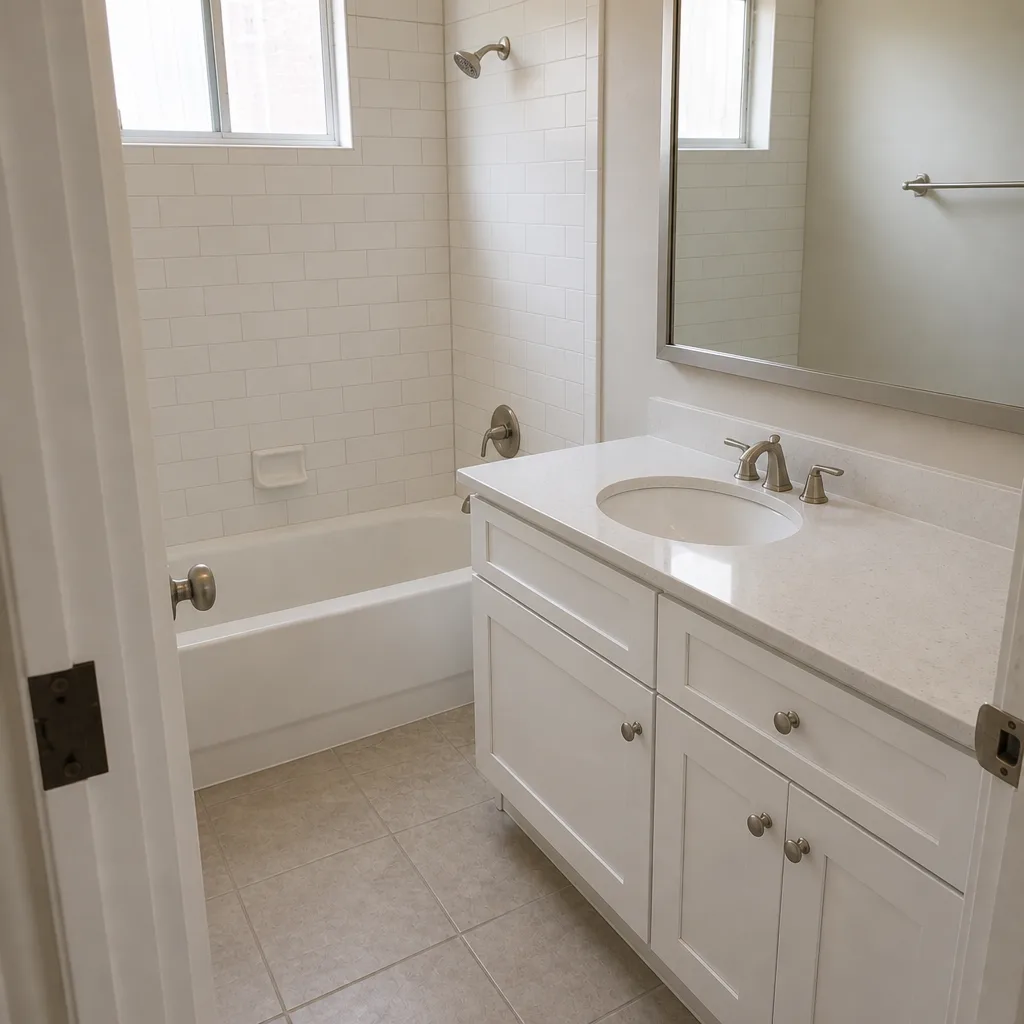 After
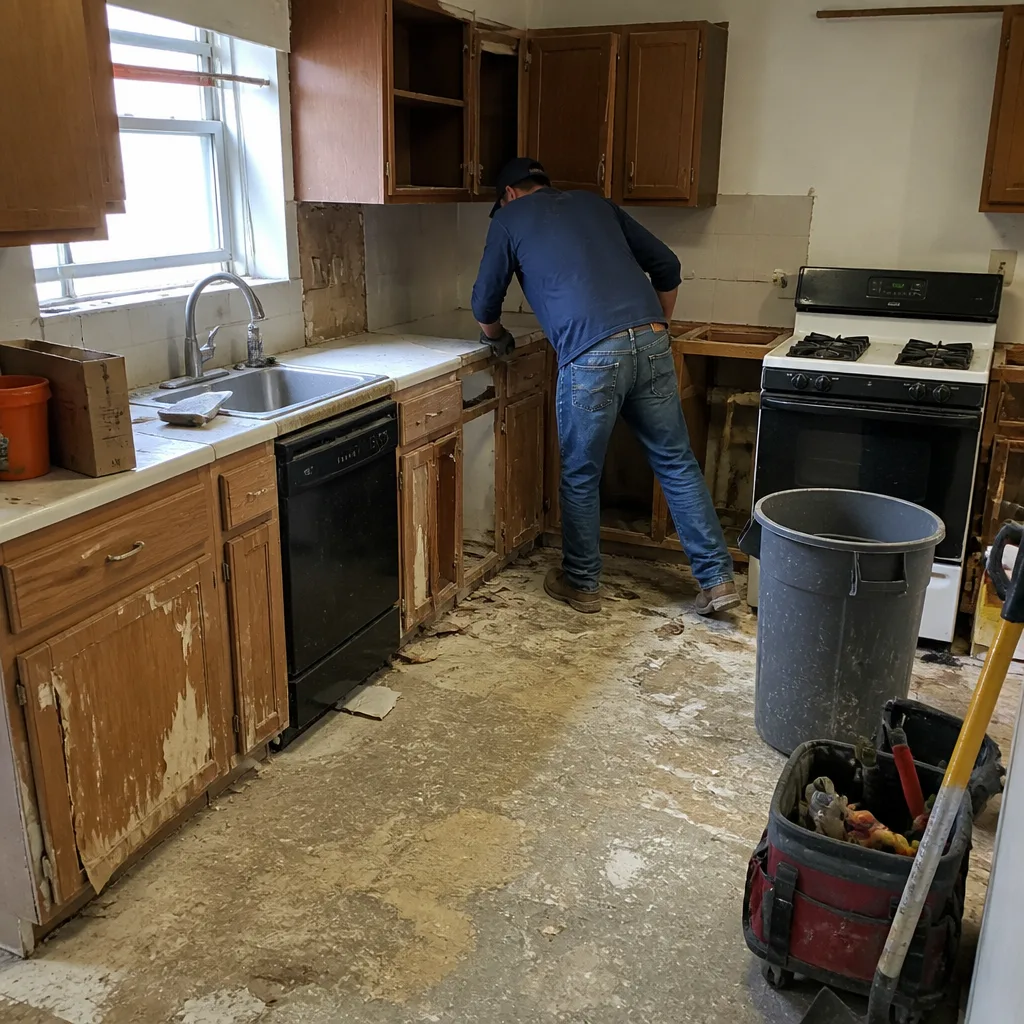 Before
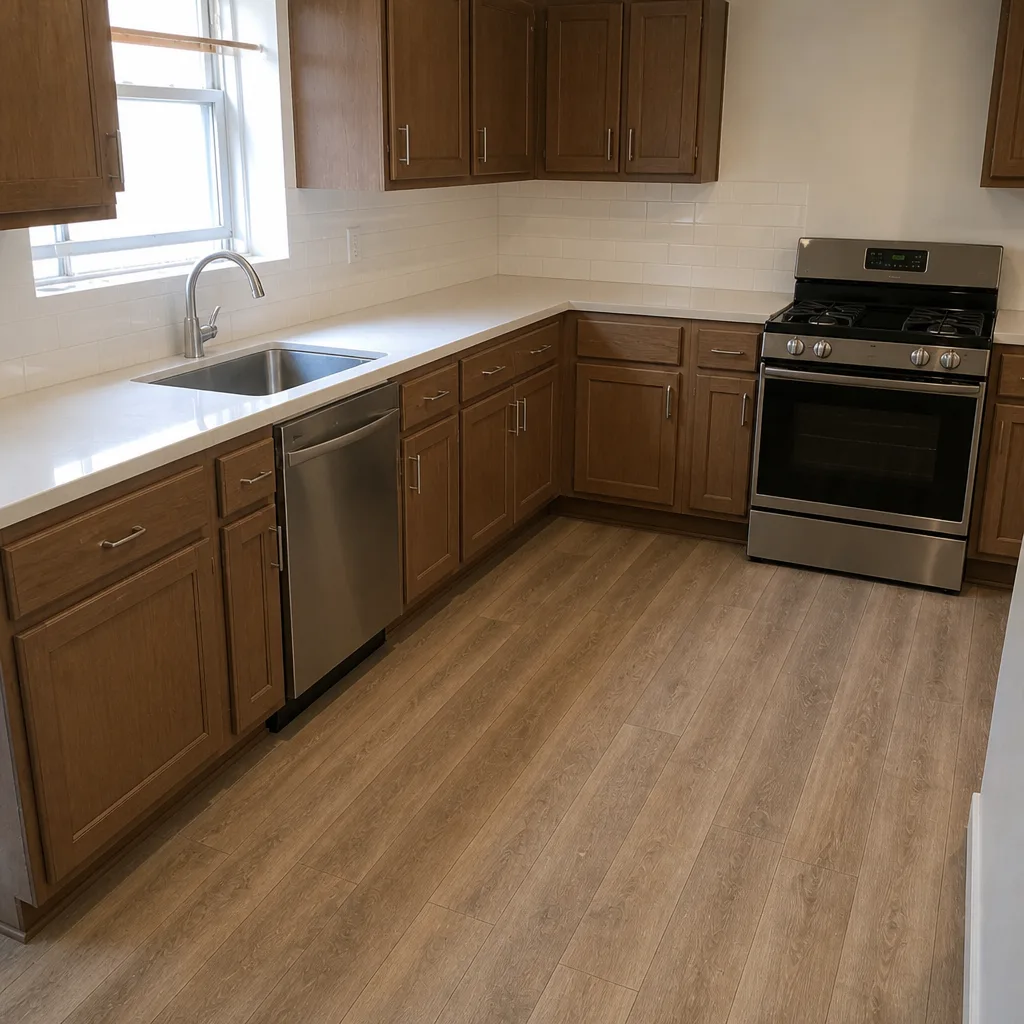 After
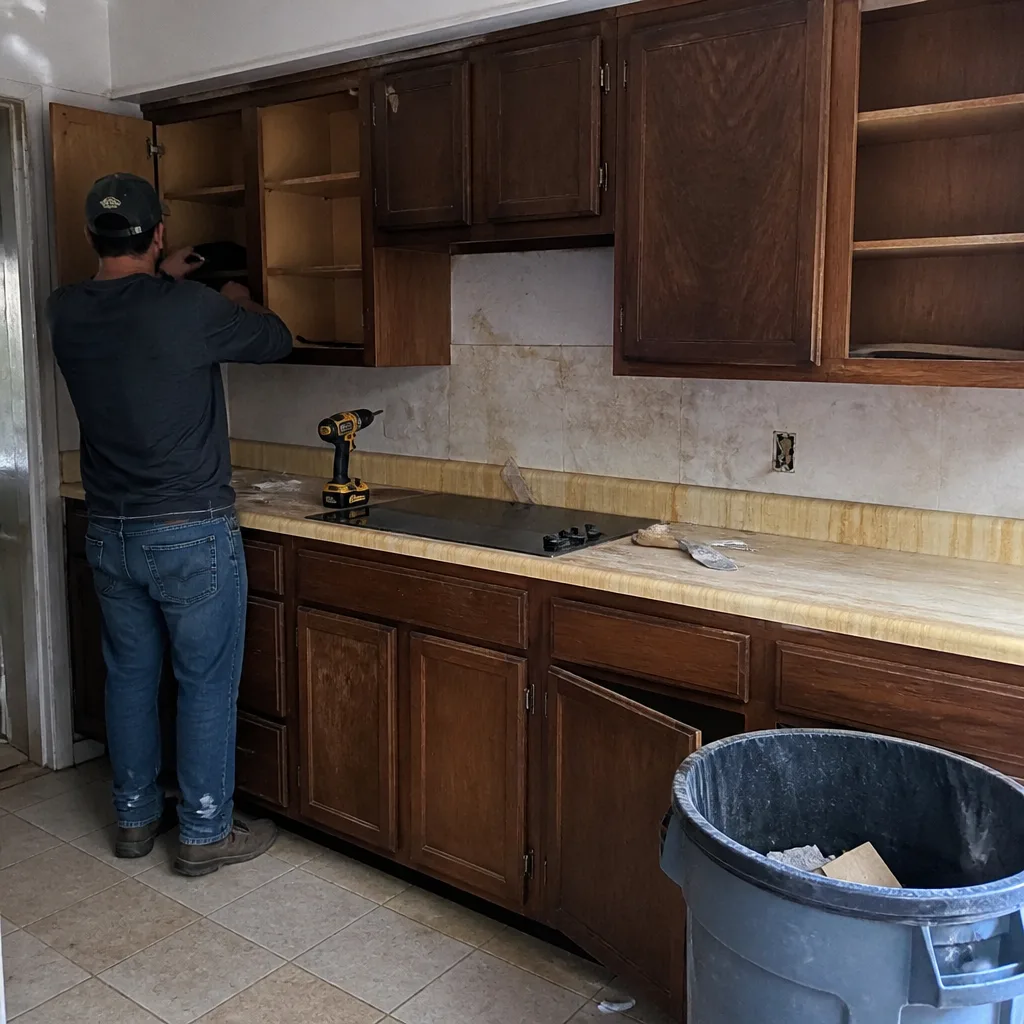 Before
 After