Last updated November 17, 2026

Free written scope consultation - allowances, timeline, and change-order rules on paper before a single trade is scheduled
The Complete Driveway & Pavers Guide for Lewisville Homeowners
Most driveways in Lewisville don’t fail at the surface. They fail 8 inches underground, in a base layer that was sized for Georgia red clay instead of the shrink-swell Blackland Prairie soil the driveway actually sits on. That’s the counterintuitive part of paving here: the material you park on is the visible spend, but the base you never see is the decision that determines whether the surface lasts 5 years or 20. This guide walks through every layer of that decision, from sub-base depth and crushed limestone versus caliche to drainage slope in flat-lot subdivisions, sealer selection, and which paver collections actually stock nearby. Read it before you sign a proposal in Lewisville.
Quick Answer
A durable driveway in Lewisville is built on a minimum 6 to 8 inch compacted crushed-stone base, not the 4 inch base common in other regions, and that base matters more than whether you choose concrete, asphalt, interlocking concrete pavers, or brick. Interlocking concrete pavers installed to ICPI standards with a properly compacted base give the longest service life in North Texas shrink-swell soil. Material choice changes the look and the price; base preparation changes whether the driveway survives its first hard summer.
Styles & brands we work with
- Kitchen remodeling
- Bathroom remodeling
- Home additions & ADU
- Roofing
- Windows & doors
- Driveway & pavers
- Fence
Table of Contents
- Why Blackland Prairie Clay Changes Everything
- How Deep Should the Base Be?
- Concrete vs. Asphalt vs. Pavers vs. Brick
- Reading a Denton County Soil Report Before You Sign
- Drainage and Slope Requirements on Flat Lots
- Brand-Level Material Callouts and Lead Times
- Sealer and Maintenance for North Texas Heat
- What Drives the Cost of a Driveway in Lewisville?
Why Blackland Prairie Clay Changes Everything
Lewisville sits on expansive clay soil with a shrink-swell index among the highest in Denton County. That single fact is the filter every other decision passes through. When the clay absorbs moisture it swells; when it dries in a hot North Texas summer it shrinks back. A base layer that isn’t thick enough and properly compacted lets that movement transfer straight up into your surface, which is why driveways crack, settle, and heave in ways they don’t in sandier or rockier parts of the country.
What you’ll notice first is often a crack running along the edge of a driveway slab, or pavers that rock slightly underfoot after a wet spring. Neither of those is a surface problem. Both trace back to the soil moving beneath. In our experience, homeowners come to us after a failed pour and ask about replacing the concrete when the real fix is a base that lets the slab or pavers move as a unit rather than crack in place.
The good news is that shrink-swell clay is predictable. Nobody can stop the soil from moving, but a driveway built with the right base depth, the right compaction, and the right jointing absorbs that movement without failing. The wrong base does the opposite, and no surface material, no matter how premium, can rescue it.
- What moves: the clay beneath the base, not the base itself, once the base is properly compacted.
- What resists it: a thick compacted crushed-stone base plus flexible surface materials like interlocking pavers.
- What fails first: thin bases, poorly compacted bases, and rigid slabs poured directly over unprepared clay.
How Deep Should the Base Be?
A driveway in Lewisville needs a minimum 6 to 8 inch compacted base layer of crushed limestone, versus the 4 inch standard used in many other regions. The material grade matters as much as the depth. Poorly graded fill or the wrong aggregate compacts unevenly and leaves high and low spots that telegraph to the surface within a season or two.
Crushed limestone is the reliable choice for most drives here. Caliche is common in North Texas as a fill and base material and it can perform well when it’s properly graded and compacted, but it’s less forgiving of moisture and can soften when saturated if it isn’t blended or capped correctly. A contractor who names the exact base material, its gradation, and the compacted depth in inches, in writing, is giving you a spec you can hold them to. A proposal that just says “gravel base” tells you nothing.
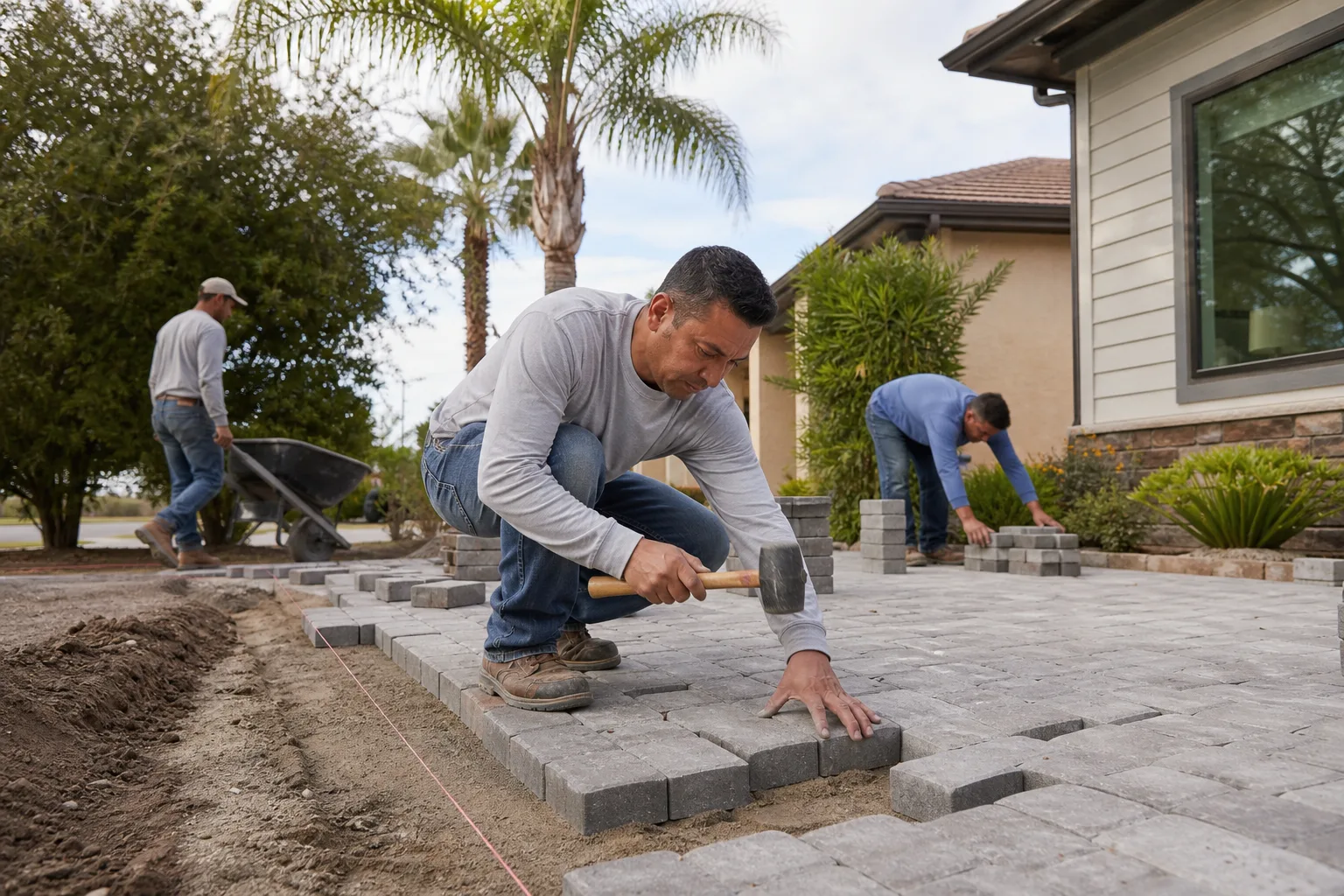
Compaction counts as much as depth. Even an 8 inch base will move if it’s dumped and leveled without mechanical compaction in lifts. The base should be compacted in layers, not all at once, so density is consistent from the bottom up. Then the pavers set, sand swept in, plate compacted, and edge restraints pinned. Each step protects the next.
What a proper base build looks like
- Excavate to the depth needed for the finished surface plus the compacted base, accounting for the paver thickness and bedding sand layer.
- Grade the subgrade away from the house for drainage before any base goes down.
- Lay crushed limestone in lifts of a few inches and compact each lift mechanically.
- Check grade with a string line or straight edge at the end of each lift so high and low spots get caught early.
- Install edge restraints pinned into the base, then set pavers, sweep joint sand, and compact the finished surface.
- Re-sweep sand into the joints after final compaction so the paver interlock holds.
When you’re ready to talk base depth and material options for your driveway, our driveway & pavers team will walk you through the choices before a single measurement is taken. And because base work is only one layer of an exterior project, homeowners planning a wider update often bundle it with fence installation so the whole property edge gets built at once.
Concrete vs. Asphalt vs. Pavers vs. Brick
Four surface materials dominate residential driveways in Lewisville, and each behaves differently across the temperature swing this region sees, from record cold near -5°F to summer highs near 110°F. That’s a more than 100 degree range, and the material you choose has to survive all of it, year over year, over moving clay.
- Concrete: A poured slab is the most common driveway surface and the cheapest upfront on a per-square-foot basis. It’s rigid, so on shrink-swell clay it needs control joints cut at the right intervals and a properly thick base to resist cracking. If a crack does develop, it tends to run; and a settled corner is hard to fix without removing and re-pouring that section.
- Asphalt: Flexible and generally less expensive than pavers upfront. It moves better with clay than a rigid slab, but North Texas heat softens asphalt and traffic can rut it, so it needs periodic sealcoating and occasional patching. It also darkens a sunny driveway rather than reflecting light.
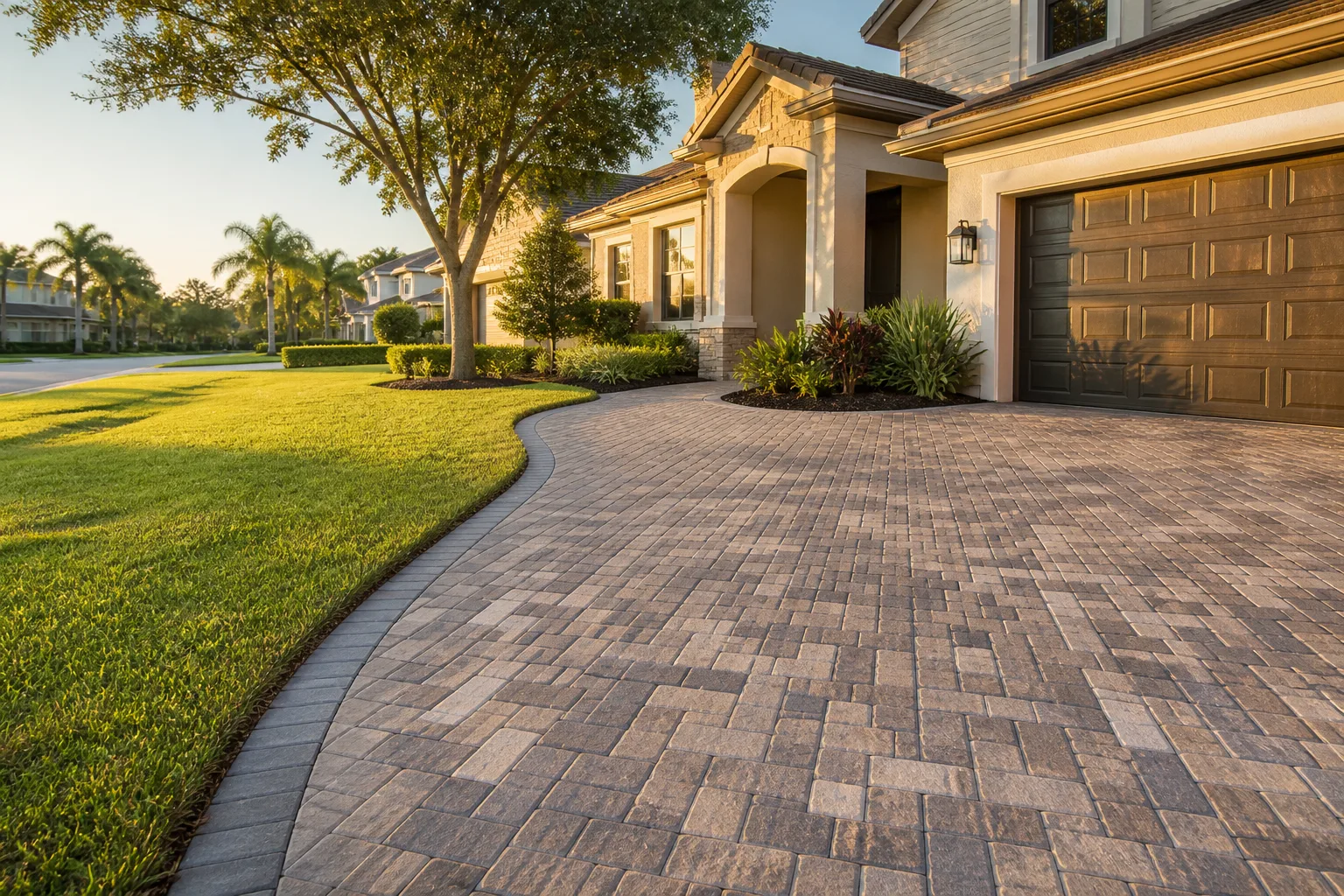
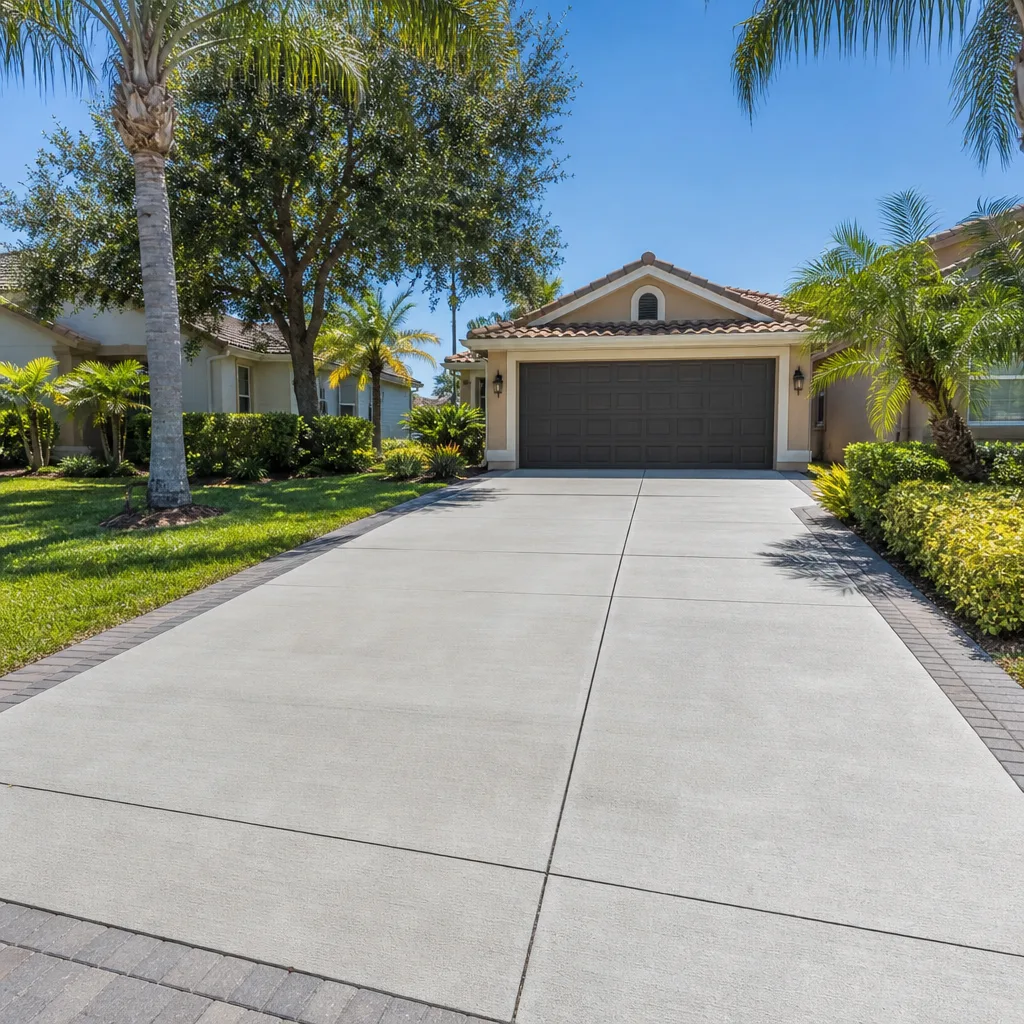
- Interlocking concrete pavers (ICPI-standard): The best long-term fit for Lewisville soil. Individual units flex as a system, so settling and movement are absorbed across the field rather than concentrated into a crack. Damaged units can be lifted and replaced one at a time without touching the rest. Higher upfront cost, but the longest service life and the easiest repair.
- Brick: Warm, character-rich, and long-lasting, with the same flexible behavior as interlocking pavers if set on a proper base. On a per-square-foot basis it’s usually the highest upfront cost of the four, and it needs the same base discipline as pavers to perform.
One clarifying point on ICPI: it’s the Interlocking Concrete Pavement Institute, the standard-setting body for paver installation. An installer building to ICPI standards is following a defined process for base depth, joint sand, compaction, and edge restraint, not improvising. Ask whether the crew builds to ICPI standards, and if they don’t know the term, that’s your answer.
Reading a Denton County Soil Report Before You Sign
A soil report tells you how the ground beneath your driveway actually behaves, and a proposal that ignores it is guessing. For expansive clay, the number to look for is the plasticity index, usually written as PI. It’s a measure of how much a soil changes volume with moisture. High PI means more shrink-swell movement; low PI means a more stable substrate. In Lewisville, high-PI clay is common, and a proposal that treats the soil as if it were stable is under-built from day one.
You don’t have to commission a full geotechnical study for a residential driveway. What you do need is a straightforward answer from the contractor about what soil they expect to encounter and how the base is sized for it. Ask these questions in writing:
- What compacted base depth are you specifying, and why that depth for this soil?
- What base material (crushed limestone, caliche, or other), and what gradation?
- How will you handle any soft spots or fill you discover during excavation, and is that in the price or billed as an extra?
- How is the subgrade graded for drainage, and to what slope?
- What’s the compaction method and how many lifts?
Vague answers to those questions are a bigger warning than any line item. A contractor who names the base depth, material, and compaction method has thought about the soil. One who quotes a “standard 4 inch base” for a driveway in Denton County is applying a spec from somewhere else.
Drainage and Slope Requirements on Flat Lots
Many Lewisville subdivisions, including Lakeside and The Trails, sit on lots so flat that a 1% grade is often the practical ceiling for a driveway slope. That’s a subtle but critical constraint. A 1% slope means one inch of fall over about 8 feet, which is barely visible but essential. Get the grading wrong and water pools against the base or runs toward the house instead of away.
Flat lots put drainage pressure on the whole design. Where there’s nowhere natural for water to go, the driveway itself has to move it. That’s why a properly sloped surface, edge restraints that don’t trap water, and consideration of the surrounding yard grade all matter more in a flat-lot subdivision than on a sloped lot where gravity does the work. In our experience, standing water at the base edge after a heavy rain is the earliest sign a driveway will settle early.
- Grade away from the house: a minimum fall that keeps roof and surface water moving off the driveway and away from the foundation.
- Edge restraint matters: a restraint that stops pavers from spreading can also trap water if it isn’t set to drain correctly.
- Watch the yard connection: the driveway surface should tie into the yard grade so water doesn’t have a lip to pond against.
- Consider positive drainage: a shallow swale or drainage path can protect a flat-lot driveway far better than hoping the water evaporates.
If you’re expanding a flat-lot property, it’s worth thinking about drainage for the whole exterior at once, not just the driveway. Homeowners weighing a larger project often find the exterior and structural decisions connect; the home additions & ADU conversation is a good place to sort out grading and site work that affects more than one surface.
Brand-Level Material Callouts and Lead Times
Paver selection isn’t just color and shape. Availability changes the schedule, sometimes by weeks. The difference between a product on a local yard and one that comes from a regional distributor is essentially the difference between starting next week and waiting six weeks. That’s why we work with seven paver and hardscape manufacturer relationships, including Belgard, Unilock, Techo-Bloc, Tremron, and Cambridge Pavers, and can tell you which collections stock locally versus which carry a longer lead time.
Belgard, Techo-Bloc, and Pavestone all offer proven product lines for North Texas driveways, and each has collections you can see in person rather than picking from a catalog photo. Cambridge and Tremron round out choices at different price points, so a homeowner isn’t forced into either a builder-grade look or a premium-priced collection. If you want a driveway that matches a fence line, a walkway, or a patio, designing the whole surface palette from the start is easier than adding a collection later.
- Stocked locally and quick to start: the common Belgard and Pavestone lines most often carried on local yards, generally the shortest path from selection to install.
- Regional distributor with longer lead time: specialized Techo-Bloc and Cambridge collections that may need 6 weeks or more, so plan the schedule around them.
- Utility and repair work: Quikrete and Sakrete bagged products and Oldcastle hardscape units are reliable for smaller repair and edging jobs.
Ask which of the collections you’re considering are in stock nearby and which aren’t. A company with real relationships can usually confirm availability before you commit, which saves the schedule surprise of finding out after the contract is signed.
Sealer and Maintenance for North Texas Heat
Sealer is where a lot of homeowners over-spend or skip a step that matters. The right sealer protects color and makes cleaning easier, but it can’t make up for bad base work, and the wrong sealer in North Texas heat can trap moisture or yellow over time. For pavers, the choice between a matte, a color-enhancing, and a film-forming sealer comes down to how much sheen you want, how much color fade resistance you need, and how you want the joints to feel underfoot.
Asphalt needs sealcoating to slow oxidation and protect the surface from sun and traffic, and that’s usually a recurring job rather than a once-and-done. Concrete benefits from a breathable sealer that blocks water intrusion without trapping moisture under the slab. Whatever the surface, sealing is maintenance, not magic. Reapply per the sealer manufacturer’s spec, not on a fixed guess.
Between sealings, a few simple habits stretch a driveway’s life in Lewisville. Sweep the surface to keep grit out of the joints and off the sun-exposed layer. Re-sweep joint sand into a paver surface after a heavy rain if it looks low. Direct gutter downspouts away from the driveway edge so water doesn’t undercut the base. Spot-clean oil drips quickly rather than letting them soak in. None of these require special tools, and each one protects the investment you made in the base.
What Drives the Cost of a Driveway in Lewisville?
Driveway costs vary with surface material, driveway size, base depth, drainage work, and how much repair is needed pre-install. Because every estimate is per job, the written line-item estimate you get in Lewisville sets the final price; nothing on this page replaces it. What follows is what drives the estimate up or down so you can read a bid with confidence.
- Base depth: the single largest variable. A 6 to 8 inch compacted base costs more than a 4 inch base, and it’s the difference between a driveway built for Lewisville clay and one that isn’t.
- Surface material: concrete and asphalt are usually the lower upfront cost; interlocking pavers and brick are higher upfront but offer the longest service life and easiest repair.
- Driveway size and access: a longer or wider driveway uses more material and more compaction time, and tight access can change the work plan.
- Drainage: flat-lot corrections and edge-restraint detailing add scope, but skipping them invites settling.
- Removal and repair: tearing out a failed surface and fixing the base underneath is a bigger job than installing new on a clean subgrade.
- Material lead time: a collection sourced from a regional distributor can affect scheduling; confirm availability early.
The smartest way to compare proposals is to strip out the surface finish and compare the base spec line by line. Two bids on the same paver can be thousands apart because one is building an 8 inch compacted limestone base and the other is dropping 4 inches of gravel and moving on. When you’re ready to price your project, call (833) 620-6067. We answer 24/7. Fast dispatch from 7am to 7pm, Sunday through Friday. Estimates are free, and every quote is written line by line so the base spec is visible.
Common Mistakes to Avoid
- Building on a 4 inch base. The standard used in other regions undersizes Lewisville clay and is the most common reason a driveway fails before its time.
- Skipping compaction in lifts. A thick base dumped and leveled without mechanical compaction in layers leaves soft spots that telegraph to the surface within a season.
- Ignoring drainage on flat lots. In subdivisions where a 1% grade is the ceiling, a driveway that doesn’t move water away from the base will settle early.
- Choosing a paver collection without checking lead time. A beautiful Techo-Bloc or Cambridge line on a regional distributor can add 6 weeks to your schedule if you don’t confirm availability upfront.
- Comparing bids by surface price alone. Two quotes on the same pavers can hide very different base specs. Compare the base line, material, and compaction method, not just the total.
- Sealing a surface that’s still failing. Sealer protects a sound driveway; it doesn’t fix settling or base movement. Address the base first.
- Never getting the base spec in writing. “Gravel base” is not a specification. Concrete compressed limestone, a stated depth, and a compaction method protect you if the work falls short.
See the difference
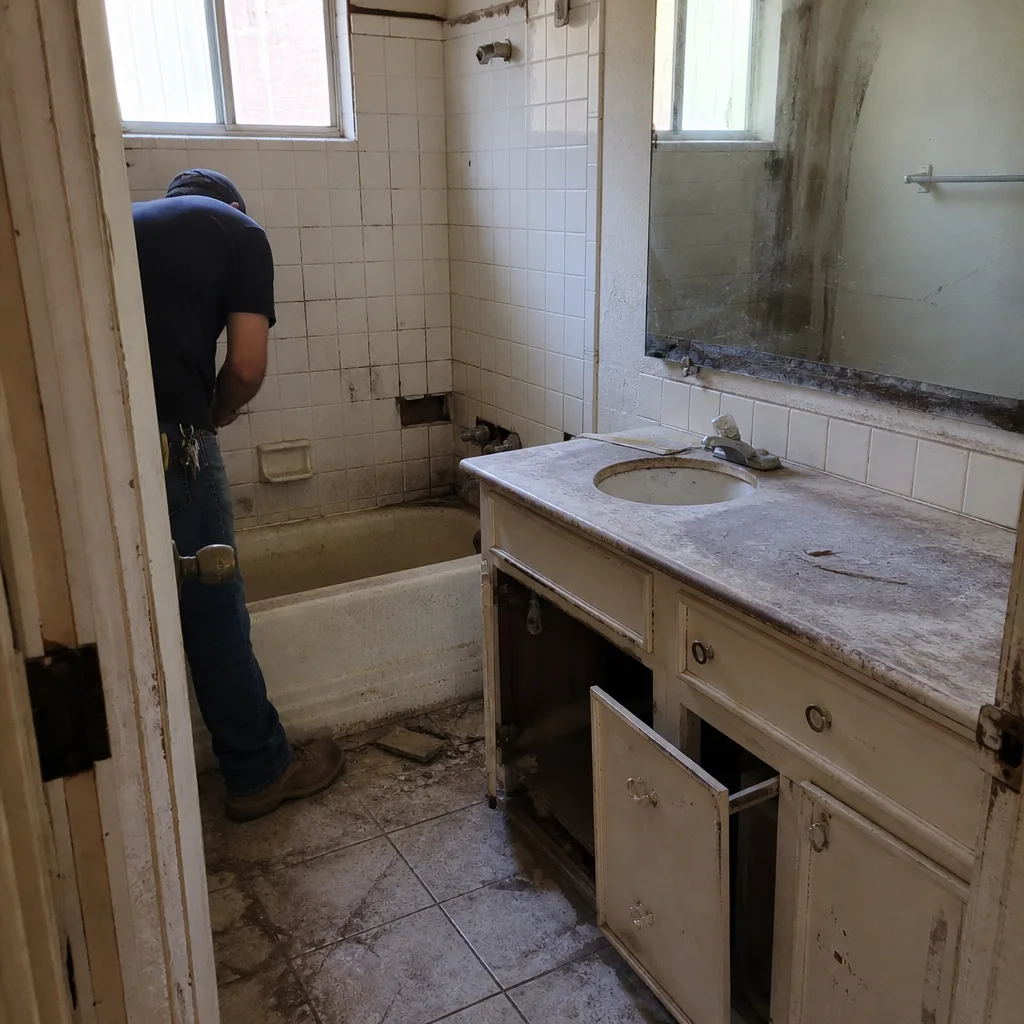 Before
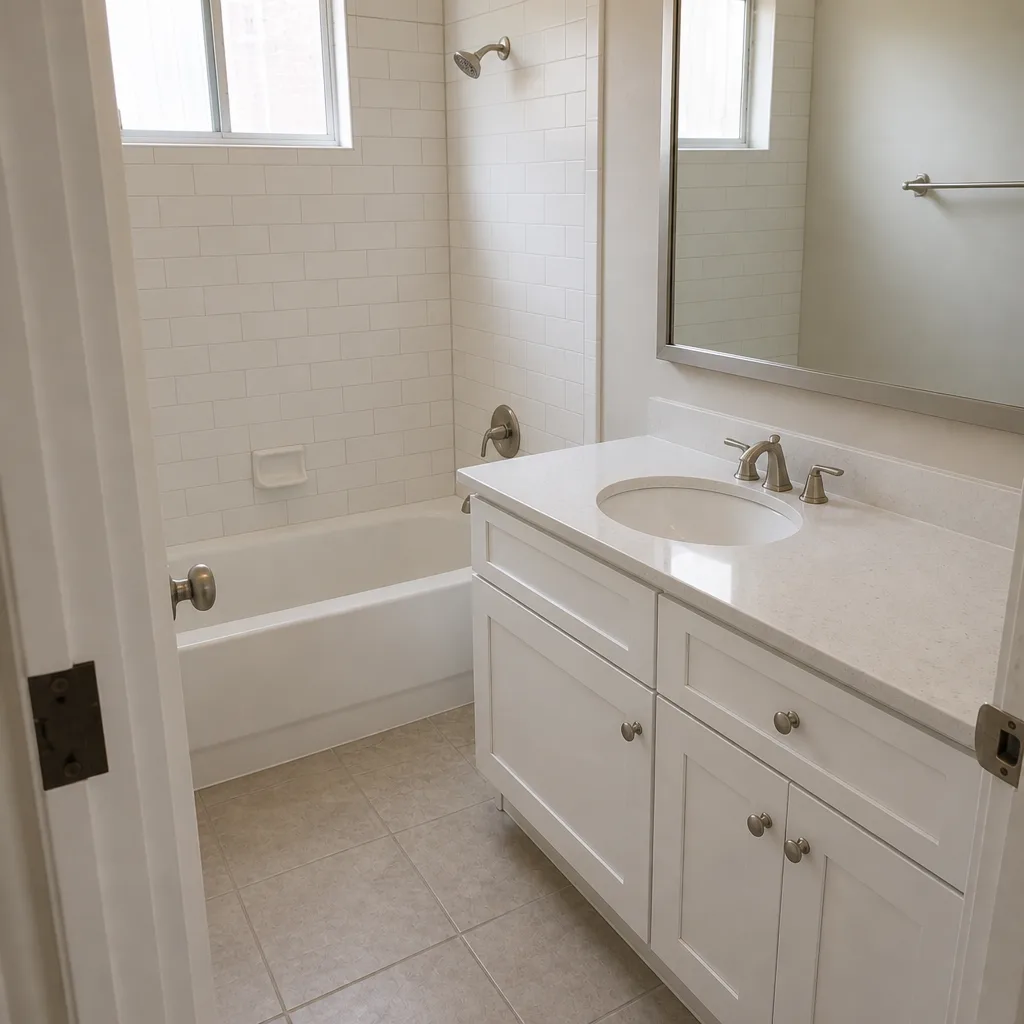 After
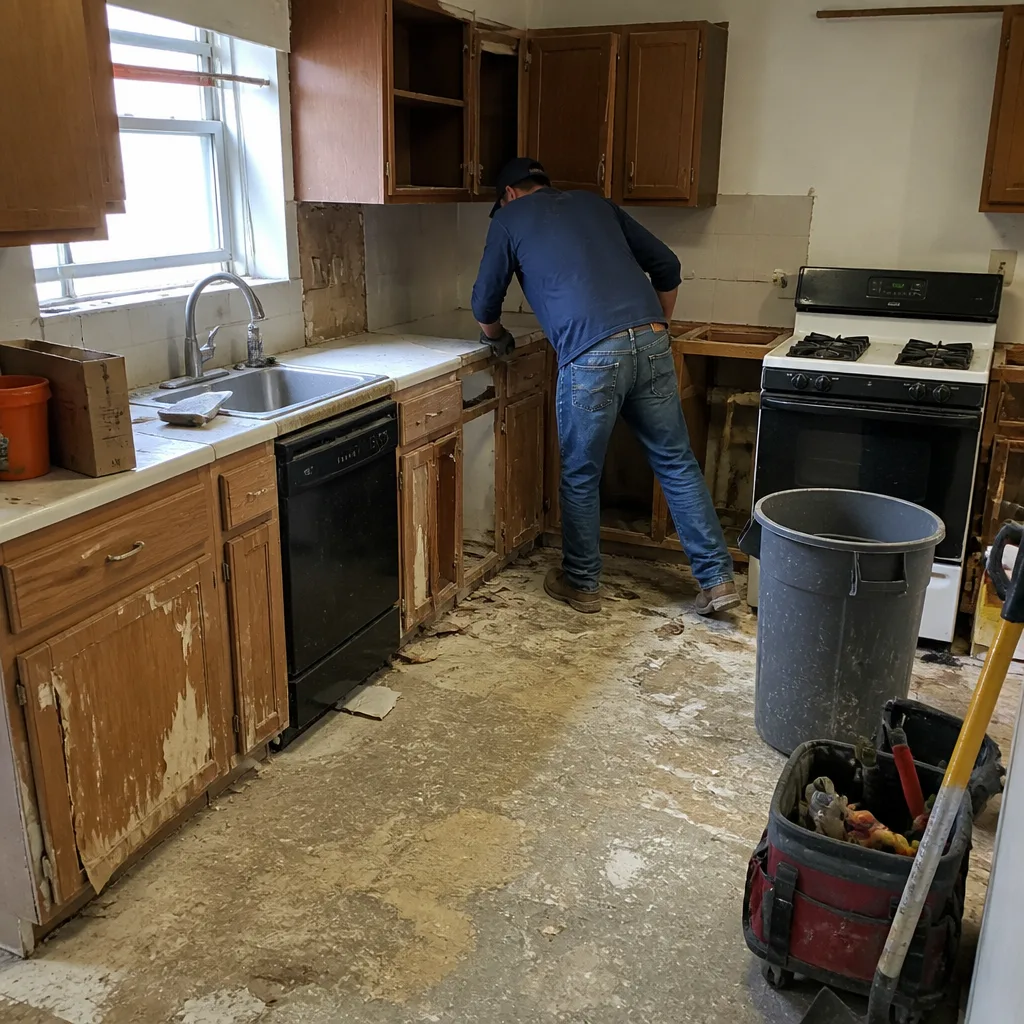 Before
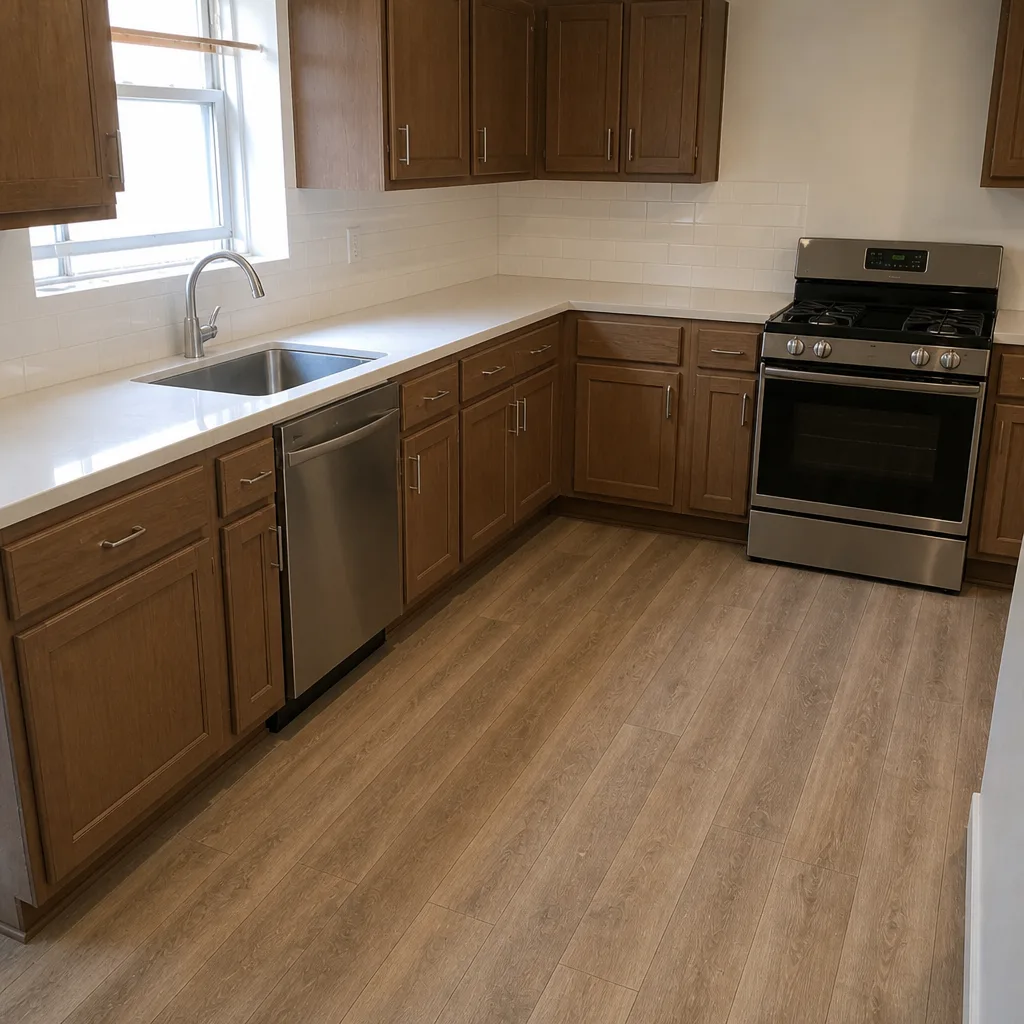 After
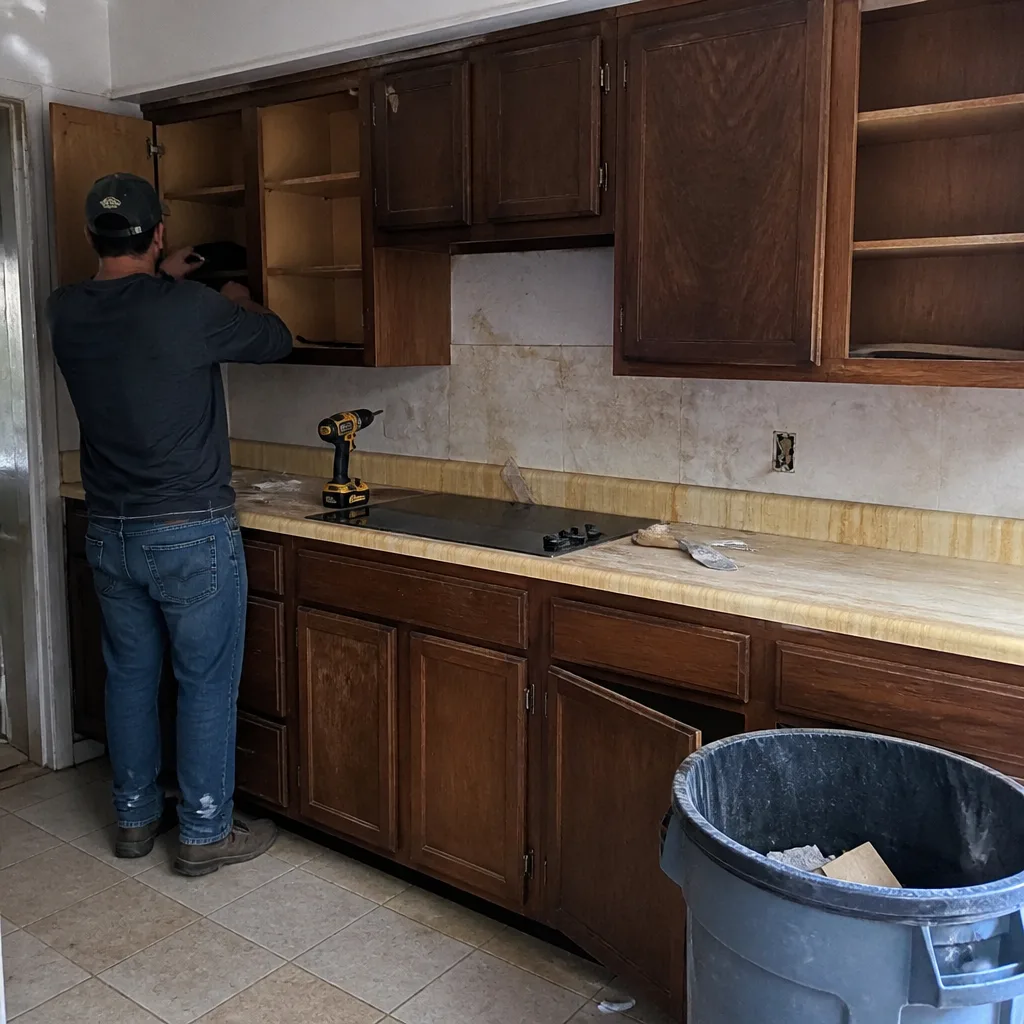 Before
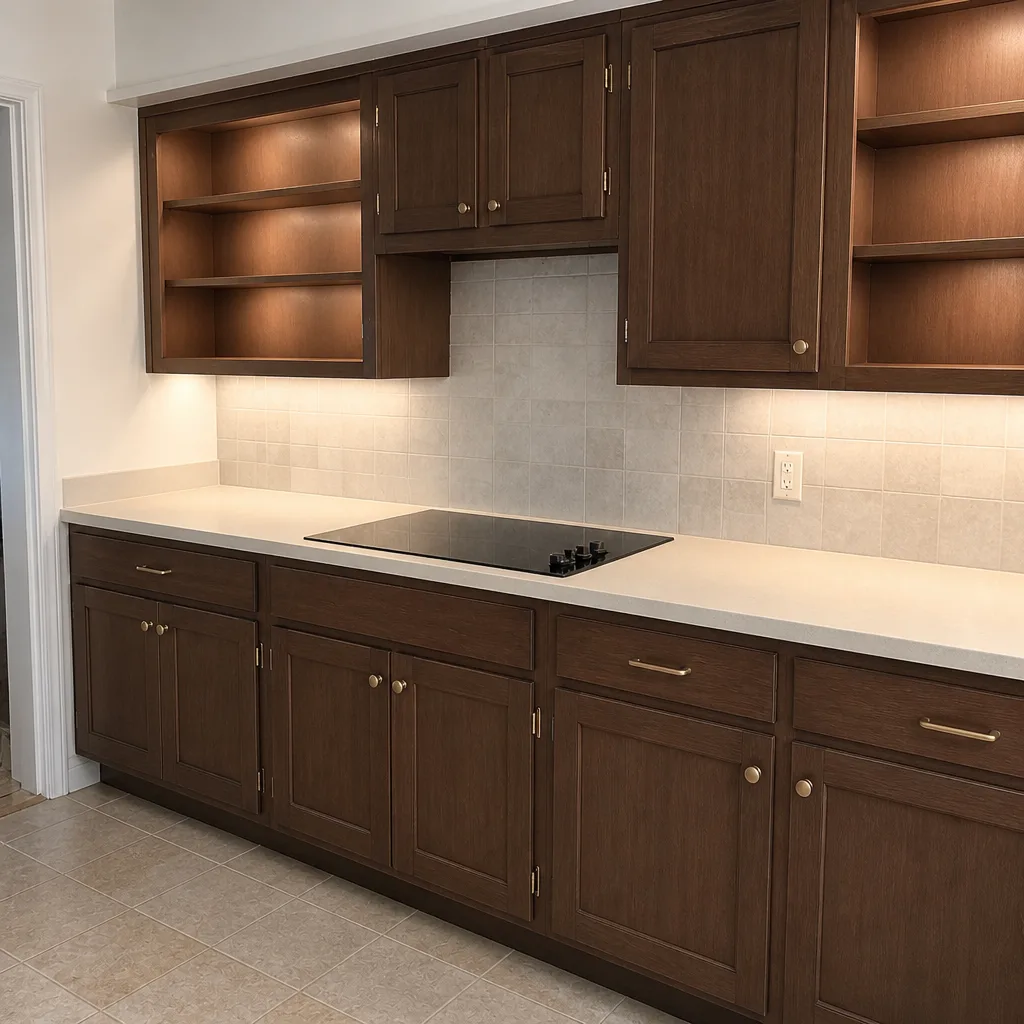 After
When to Call a Professional
Some driveway problems are cosmetic and some are structural, and the difference matters before you spend money. Call a professional when a paver surface rocks or heaves after wet weather, when a concrete slab cracks and one side drops, when water ponds at the edge of the driveway after every rain, or when you’re planning a new install and need to verify base depth for shrink-swell clay. High-end base prep and compaction is a job for trained crews and proper equipment; a homeowner can’t compact an 8 inch base to spec with a hand tamper, and guessing at depth or material risks a surface that fails. If a contractor can’t put the base spec in writing, treat that as a reason to get a second opinion rather than a reason to skip the detail. Construction Lewisville offers free estimates in Lewisville. Call (833) 620-6067. We answer 24/7. Fast dispatch from 7am to 7pm, Sunday through Friday.
Frequently Asked Questions
A Lewisville driveway needs a minimum 6 to 8 inch compacted crushed limestone base, not the 4 inch base typical in other regions. The soil is expansive Blackland Prairie clay, so the base absorbs movement that would otherwise crack a surface. Ask any contractor to put the base depth in writing. Call (833) 620-6067 for an exact quote – estimates are free.
Interlocking concrete pavers generally outperform a rigid concrete slab on expansive clay because the paver system flexes as a unit and damaged units can be replaced individually. Concrete can work well if the base and control joints are right, but it’s less forgiving of soil movement. Material choice changes the price; base preparation changes the service life. Call (833) 620-6067 to talk through both options for your driveway – estimates are free.
PI stands for plasticity index, a measure of how much a soil changes volume with moisture. High PI means more shrink-swell movement; Lewisville clay often carries a high PI. A proposal that treats the soil as stable is under-built. Ask the contractor to explain how the base is sized for the local soil. Call (833) 620-6067 for a free written estimate that spells out the base spec.
No. Our pricing is set per job by the written estimate, with line-item detail so base depth, material, and drainage are all visible before work begins. Any change to scope is discussed before it happens. Call (833) 620-6067 for an exact quote – estimates are free.
Most residential driveway installs take a few days depending on size, base depth, drainage work, and material availability. Collections sourced from a regional distributor can add lead time before work starts, which is why confirming availability early matters. Call (833) 620-6067 to schedule a free estimate.
Permit requirements vary by city and scope, so we check with Lewisville’s building department before work starts rather than guessing. Most flatwork and hardscape projects need at least a review, and any that require a permit get one. We confirm before work begins. Call (833) 620-6067 with your project details and we’ll tell you what applies – estimates are free.
The Bottom Line
In Lewisville, the base you can’t see is the decision that matters most. A 6 to 8 inch compacted crushed limestone base, built in lifts and graded correctly for a flat lot, is what separates a driveway that lasts 20 years from one that fails in 5. Choose your surface material for look and budget, but read every bid by its base spec first. Confirm paver collection lead times before signing, seal for the surface you install, and get the material and compaction method in writing. Our technicians have up to 12 years of experience and work with more than 50 name-brand manufacturers, from paver lines to hardscape and utility products, so you can match the driveway to the rest of your property. When you’re ready to build, the team at Construction Lewisville treats the base as the first decision, not an afterthought.
Ready to price your driveway? Call (833) 620-6067. We answer 24/7. Fast dispatch from 7am to 7pm, Sunday through Friday. Free estimates, written line-item quotes, and fixed pricing with no change orders.
Written by the team at Construction Lewisville.