Last updated November 17, 2026





Free written scope consultation - allowances, timeline, and change-order rules on paper before a single trade is scheduled
Seasonal Construction Care for Lewisville: Year-Round Homeowner’s Guide
Most home maintenance guides are written for a climate that gets four even seasons. Lewisville doesn’t get that. What we get is wet springs that soak clay soil, summers that bake it dry, a fall that cools too fast for late exterior work, and winters where a single ice event can do more damage to a slab than three months of heat. February tends to be the hardest month for Lewisville homes, not August, and it’s almost never on anyone’s calendar. This guide replaces generic advice with a schedule built around how this city actually weathers. You’ll get month blocks, checklists, and a maintenance log a contractor can actually use.
Quick Answer
Lewisville homeowners should inspect the roof, flashing, and foundation perimeter every spring after the last ice event, water the foundation through the summer drought, finish all caulking and sealing by mid-November before cure temperatures drop, and check exterior pipe runs and siding condition through the winter. Roofing, pavers, siding, and fence work each have a narrow window here that a four-season checklist won’t capture.
Styles & brands we work with
- Kitchen remodeling
- Bathroom remodeling
- Home additions & ADU
- Roofing
- Windows & doors
- Driveway & pavers
- Fence
Table of Contents
- Why Lewisville Doesn’t Fit a Four-Season Maintenance Model
- Spring Care (March to May): Post-Ice Inspection and Roof Decking
- Summer Care (June to August): Foundation Watering and Heat Damage
- Fall Care (September to November): The Sealing Window
- Winter Care (December to February): Freeze Exposure and Older Housing
- Driveway and Paver Care Through the Year
- Fence Care Season by Season
- Building a Rolling 12-Month Maintenance Log
Why Lewisville Doesn’t Fit a Four-Season Maintenance Model
The standard home maintenance calendar assumes a long freeze, a short thaw, and a dry summer. Lewisville gets the opposite. Our clay-heavy soil swells when it’s wet and cracks when it’s dry, and the swing between those two states happens several times a year rather than twice.
That mismatch is where most damage starts. A homeowner following a “spring cleaning” approach will check for frost damage that never happened and skip the two things that actually matter here: water movement after spring storms and soil movement under the slab during summer drought. Neither shows up in a national guide.
There’s a housing factor too. Lewisville has a mix of established neighborhoods and newer builds, and the two fail differently. Older homes usually have cast iron drain lines, single-pane windows, and original wood-framed soffits that swell and hold moisture. Newer homes often have PEX plumbing with more exposed attic and garage wall runs, thinner slab landscaping, and a longer stretch of bare clay around the foundation. Both need attention. Just not the same attention.
What Actually Drives Damage Here
- Rain volume concentrated in spring. Roof flashing, gutter seams, and window perimeters leak in March and April more than any other time.
- Summer drought on expansive clay. Differential shrinkage under slabs is the top structural concern from June to September.
- Rapid fall cooling. Sealants, caulk, and exterior paint need above a certain temperature to cure. Once the nights drop consistently, that door closes for the year.
- Ice events in a temperate climate. Pipes in exterior walls and unheated garages are more exposed here than in colder cities because homes weren’t built for sustained freezing.
Keeping all seven service categories under one contractor makes the schedule easier to hold. When the same team that inspects your roof also handles the kitchen remodel and the fence installation, there’s one point of coordination and one record of what’s been done. That matters for a log you’ll refer back to for years.
Spring Care (March to May): Post-Ice Inspection and Roof Decking
Spring is when the winter’s actual cost shows up. Ice events don’t always tear shingles off. Often they lift a shingle edge or push water under a flashing detail, and the damage sits quiet until the first heavy rain in March pushes it into the attic.
The order matters. Start at the roof surface, work down the perimeter, then check the ground.
1. Roof Surface and Granule Shedding
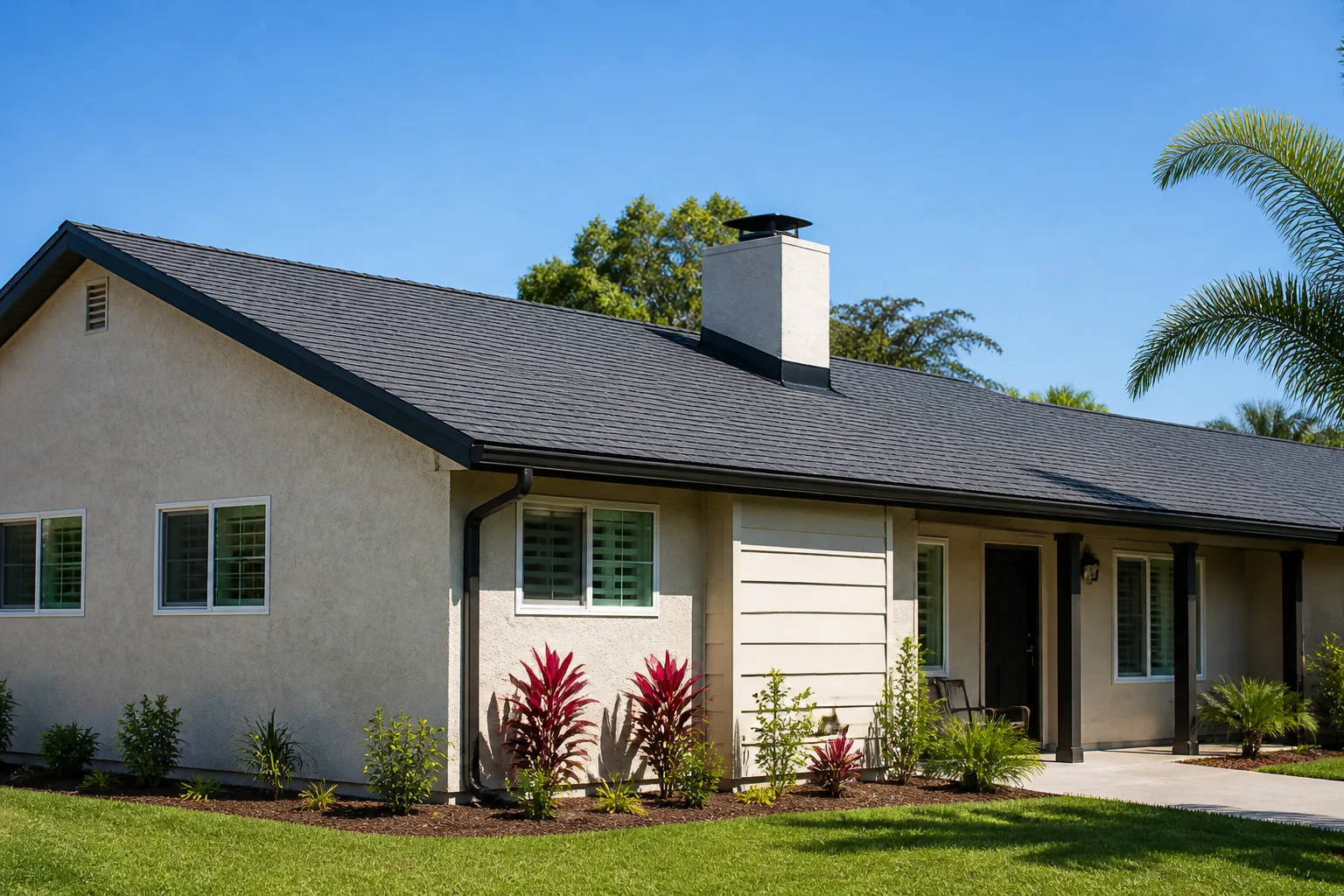
Walk the yard after a rain and look at what collected in the gutters. Heavy granule deposits are a sign of aging asphalt shingles. Curling shingle edges, lifted tabs, or visible matting mean a roofer should look. Our roofing options cover GAF, CertainTeed, and Owens Corning, so a repair or replacement gets matched to the correct product line rather than patched with a mismatched shingle. If a large area needs replacing, that’s a spring job before summer heat sets asphalt tacky.
2. Flashing at Chimneys, Valleys, and Wall Intersections
Flashing is the most common post-ice failure point. Check for lifted step flashing against brick or siding, open seams at valley metal, and caulk that has cracked or peeled at the chimney counterflashing. Any moisture staining on attic sheathing underneath those areas means water has already been getting in.
3. Attic Decking and Insulation Staining
Get into the attic with a flashlight and look at the underside of the roof deck. Dark staining, soft spots, or rusted nail tips indicate a leak path. Wet insulation loses performance permanently, so any section that’s been soaked should be replaced, not dried in place.
4. Foundation Perimeter and Soil Contact
Walk the perimeter and note any new cracks in the brick veneer, gaps at window and door corners, or doors that no longer latch cleanly. Those are often the first visible signs of foundation movement from a wet winter. Also check that soil slopes away from the foundation and that no mulch or landscape edging is holding water against the wall.
5. Siding and Window Seams
Look for swelling, bubbling paint, or separation at the seams. James Hardie fiber cement siding holds up better than most in this climate, but the sealant at the seams and penetrations still needs an annual look. Gaps at window frames are common after a wet winter and should be sealed before spring rains find them again.
Summer Care (June to August): Foundation Watering and Heat Damage
Summer damage in Lewisville is slow and quiet. Nothing breaks in June. By August, a hairline crack in the slab has become a visible gap, and a door that stuck in July swings free because the frame has moved.
Expansive clay soil shrinks as it dries. When it shrinks unevenly under a slab, the slab moves. The unevenness is the problem, not the total moisture level.
The Soaker Hose Method
This is the single most effective thing a Lewisville homeowner can do in summer. The point isn’t to flood the foundation. It’s to keep the soil moisture roughly even around the entire perimeter.
- Run a soaker hose 12 to 18 inches from the foundation wall around the full perimeter. Not just the sunny side.
- Water in the early morning so it soaks in before evaporation takes most of it. Ten to fifteen minutes per zone is usually enough.
- Water consistently. Two or three times a week during drought is more useful than a heavy soak once a week, because the soil stays evenly damp rather than cycling wet and dry.
- Check the corners. Corners dry out faster than straight runs because they get heat from two sides, so they may need an extra loop of hose.
- Watch for pooling against the foundation. If water is standing, you’re overwatering and working against your own goal.
If your home has a basement or a crawlspace that stays dry, you may not need to water as aggressively. The pattern is a signal to check, not a universal rule. When in doubt, ask before you guess.
Heat-Related Exterior Issues
Summer is also when exterior paint and caulk on south- and west-facing walls fail fastest. If you notice peeling or chalky residue on siding in June, don’t wait until fall to address it. Prep and paint work can still be scheduled, but the ideal weather is closer to September.
Pavers get hot enough to be uncomfortable underfoot in July and August, but that’s not a failure point. The concern with hardscape in summer is subgrade drying. If a paver area is being replaced or added during peak summer, the base material needs to be kept damp during the install. That’s part of the plan for any driveway & pavers project we scope, and it’s why we walk through the material choices (Belgard, Unilock, Techo-Bloc, Tremron, Cambridge, and others) before a single measurement is taken.
Fall Care (September to November): The Sealing Window
Fall is the busiest useful window on the Lewisville calendar, and it’s the one most people miss. Everything that needs a sealant, caulk, or paint cure has to be finished before temperatures drop too far. Waiting until December is too late for most exterior sealants to cure properly, and redoing it in spring costs more than doing it once now.
Why Timing Matters
Most exterior caulks and sealants need consistent temperatures above roughly 45 to 50 degrees Fahrenheit to cure. They also need dry weather. In Lewisville, the stretch from mid-September through early November usually delivers both. Once the nights drop consistently, a sealant may skin over without curing, and a thin, failed bead is worse than no bead because it looks finished while it’s not.
What to Seal in Fall
- Window and door perimeter joints on the exterior frame
- Vertical and horizontal seams in fiber cement or wood siding
- Penetrations for dryer vents, hose bibs, exterior outlets, and gas lines
- Trim joints at soffit and fascia
- Roof flashing where it meets a wall
- Concrete joints where a driveway or patio meets the house
Additional Fall Tasks
- Inspect the attic before the first cold snap. Fall is the right time to look for new leaks, not the right time to find out. Any water intrusion from spring or summer has had months to cause damage.
- Check and clean gutters. Fall leaves in North Texas can fill a gutter in a week. A clogged downspout sends water against the foundation, and the wet winter that follows does the worst of its damage right there.
- Schedule driveway and paver work. Moderate temperatures help sealers cure and paver base compaction hold. If you’re adding or replacing a driveway, plan for fall and the work gets the weather it needs.
- Inspect and repair fences. Wood posts that swelled in spring and cracked over summer can move in fall rain. A quick walk with a level and a wrench catches failures before winter.
- Look at exterior paint. Touch up peeling areas while temps hold. A full repaint usually waits for spring, but spot repairs now keep moisture out.
Home additions and ADU planning also belong in this window. Permitting timelines and material lead times run smoother when a project is scoped in fall for a spring build, and the brand bench matters here. Traditional builds sit alongside prefab options from Abodu, Boxabl, and Plant Prefab, which lets us match the project to the timeline instead of forcing one method. Full detail on scope and process lives on our home additions & ADU page.
Winter Care (December to February): Freeze Exposure and Older Housing
Lewisville winters aren’t cold by national standards, and that’s exactly the risk. Homes built for a mild climate have less freeze protection in their plumbing and exterior assemblies than homes built in Minneapolis. When an ice event does land, the failures happen faster and in different places.
Exterior Pipe Exposure in Older Homes
Homes built decades ago often have hose bibs on uninsulated exterior walls, attic runs that sit above the insulation, and garage wall lines with no heat on the far side. A short freeze with proper protection is fine. A short freeze with none can split a pipe.
What to check before the first hard freeze:
- Hose bibs and exterior spigots. A foam cover on each one is a small cost for a lot of protection.
- Any pipe that runs through an unheated garage or attic. Insulation sleeves or heat tape are common solutions.
- Exterior wall cabinets and vanities, where a pipe was run in the wall.
- Garage doors that don’t close fully. A gap at the bottom lets cold air in behind a wall.
- Foundation vents and crawlspace openings. Temporary covers help but must come back off after the freeze.
Freeze-Vulnerable Exterior Materials
Not every material fails equally. In a short, sharp freeze, wood fences and siding take the most abuse because they hold moisture and split when it expands. Fiber cement and brick hold up well, but the caulk at their joints can fail. Pavers are largely stable, but a base that holds water can heave. Vinyl windows are fine, but their seals can dry and crack faster in the cold and should be checked at the end of winter.
Interior Considerations
Winter is a good time to plan interior work because the schedule is less crowded. Bathroom and kitchen remodels get a full month of productive build time while exterior work waits for warmer weather. In a bathroom, waterproofing standards like the Schluter system are worth asking about, because a project that looks finished and a project that stays dry aren’t always the same thing.
Driveway and Paver Care Through the Year
Hardscape gets treated as permanent, and it mostly isn’t. Pavers, concrete, and asphalt all move with the clay underneath, and each season exposes a different weak point.
Season-by-Season
- Spring: Check for joint sand loss after rain. Re-sand polymeric joints in early spring before weeds settle in. Look for settled areas where water pools.
- Summer: Watch for widening cracks in concrete and softening asphalt in high-heat areas. Move parked vehicles off the surface during the hottest part of the day when practical.
- Fall: The right time for sealing asphalt and refreshing paver sealers. Moderate temperatures let the product cure without blistering or trapping moisture.
- Winter: Avoid rock salt on pavers and concrete. Sand or a paver-safe de-icer does the job without pitting the surface.
The product matters too. A utility-grade paver and a premium collection have different drainage and joint-sand needs. That’s why we keep options across seven manufacturers, from utility applications to Techo-Bloc and Cambridge premium collections, so the maintenance plan matches the material rather than the other way around.
Fence Care Season by Season
A fence doesn’t fail all at once. It fails post by post, usually starting with the one that sits in the lowest spot in the yard and takes the most water.
What to Check Each Season
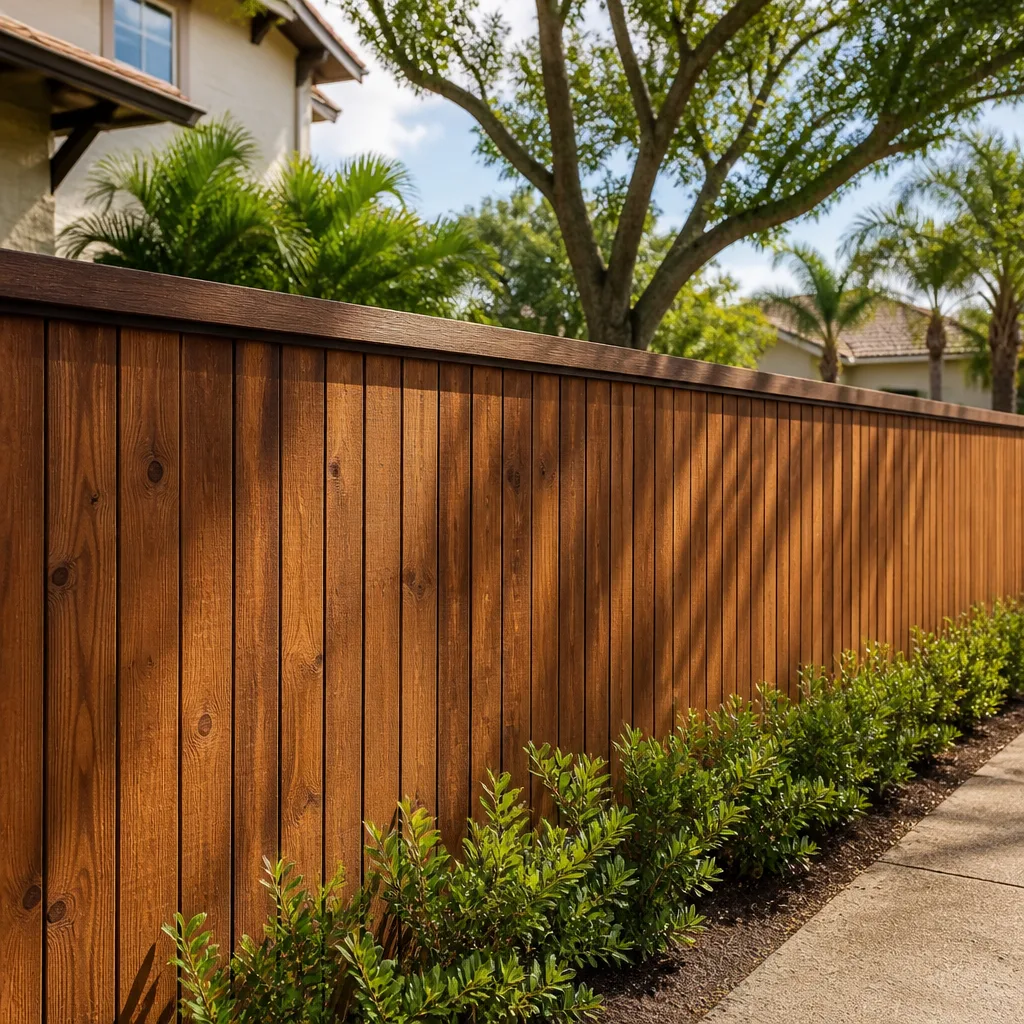
- Spring: Walk the line with a level and a wrench. Look for posts that wobble, sagging gates, and popped fasteners. Replace any pickets that swelled and split over winter.
- Summer: Watch for drying and checking in wood, and inspect vinyl panels for heat distortion, especially on the west side.
- Fall: The best window to stain or seal wood. Do it before the first consistent cold, and you get a full season of protection.
- Winter: Clear debris and soil from the base of fence posts after a freeze. Water that drains slowly against a post does more damage than cold itself.
Material choice frames the entire maintenance plan. Wood needs regular sealing and a longer inspection routine. Vinyl, composite, and aluminum need less. If you’re weighing replacement, the brand roster matters for warranty and long-term performance, and the details live on the fence installation page.
Building a Rolling 12-Month Maintenance Log
The single most useful thing a homeowner can hand a contractor is a log. Not a story about the last repair, but a dated record of what was checked, what was found, and what was done. That’s the difference between a scoped estimate and a guess.
What to Log
- Date and season. Write it down the day you check, not later.
- What was inspected. Roof, attic decking, gutters, foundation perimeter, siding seams, caulk joints, fence line, driveway joints.
- Condition noted. “Hairline crack at the northeast corner of slab, 6 inches, no displacement” is a usable note. “Looks fine” is not.
- Photos. Wide shot and close-up for each item. Phone photos are fine. Take them from the same spot each year so the comparison is meaningful.
- Work done. Who did it, what product was used, brand, and color if relevant. A shingle patched with an off-brand product in one area isn’t the same repair as a full GAF or CertainTeed match.
- Warranty notes. Any manufacturer warranty that applies to the material and the date the coverage started.
How to Use It
A rolling 12-month log lets a contractor walk a home with context instead of starting cold. It also keeps you honest about whether a repair was actually done. We’ve found that homeowners with a log ask better questions, make decisions faster, and tend to spend less over five years because they don’t re-inspect the same item four times. Start the log today. Add to it every season. When you’re ready for a project that reaches across trades, talk to the contractor first. Bringing roofs, windows and doors, and interior work under one scope cuts the coordinate time and keeps the materials consistent, which also makes the log simpler to keep.
If the log ends up pointing at multiple areas at once, that’s the case for one contractor rather than three. Scope it together on the Construction Lewisville side of our work, or dig into a single category if the list is narrow.
Common Mistakes to Avoid
- Skipping the spring inspection because the winter looked mild. Ice damage often doesn’t announce itself. By the time the leak shows up in the attic, months of moisture damage have already happened. Look every spring regardless.
- Waiting until December to caulk. A sealant needs sustained cure temperatures, and Lewisville cools fast in November. Caulk applied too late looks finished but skins over without curing and fails within a season.
- Watering the foundation only on one side. The sunny west and south sides need more water in summer, not all of it. Uneven watering causes more movement than watering less often.
- Assuming newer construction has no freeze risk. Newer homes have different plumbing configurations, often with more exposed runs in the garage and attic. Exposure depends on how the home was built, not the year it was finished.
- Sealing a paver surface with trapped moisture. Sealing should happen in fall when the material is dry. Sealing after a rain traps water and leads to hazing, spalling, or both.
- Patching shingles with mismatched products. A shingle from a different manufacturer than the rest of the roof can look close but behave differently under heat and rain. Match the brand or plan for a wider repair.
- Keeping the maintenance log in your head. A contractor can only scope from what they can see, and what you can remember is thin. A written log with photos turns a five-minute walk into an accurate estimate.
See the difference
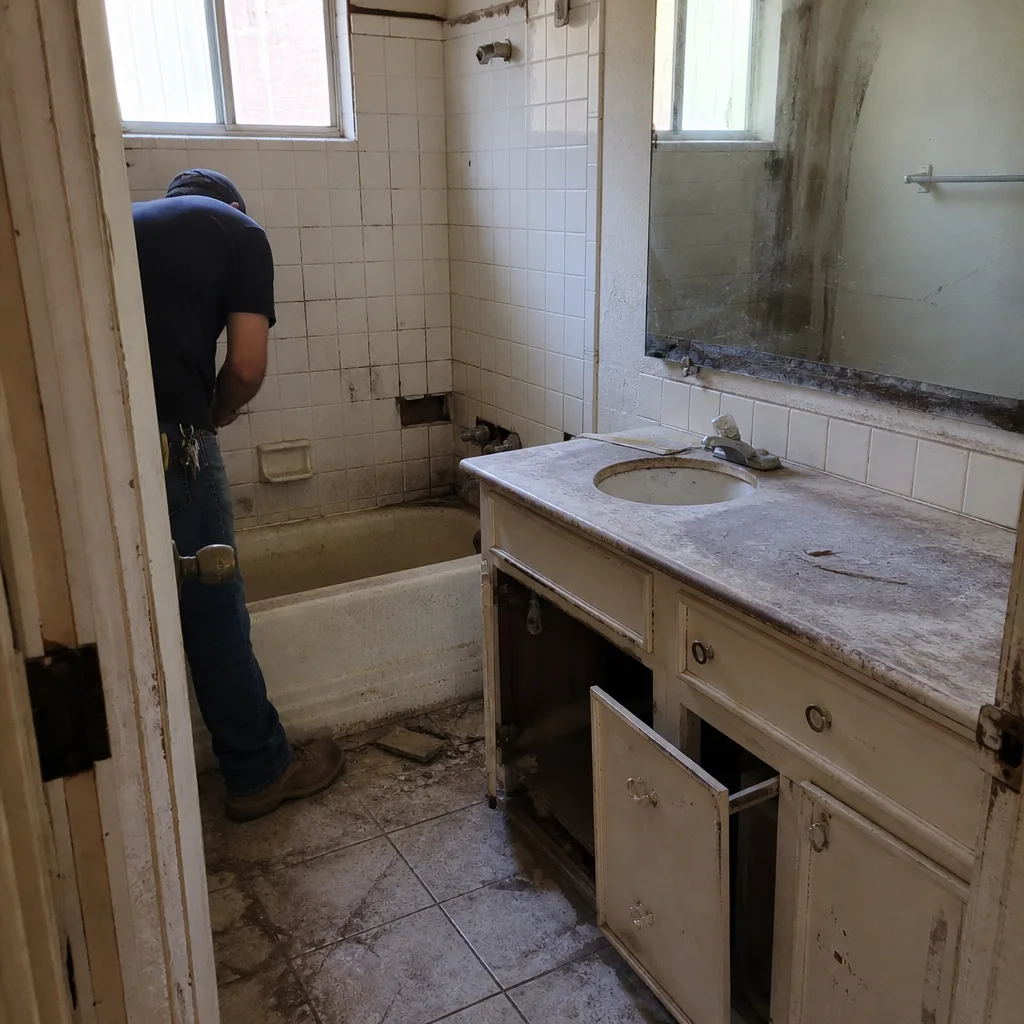 Before
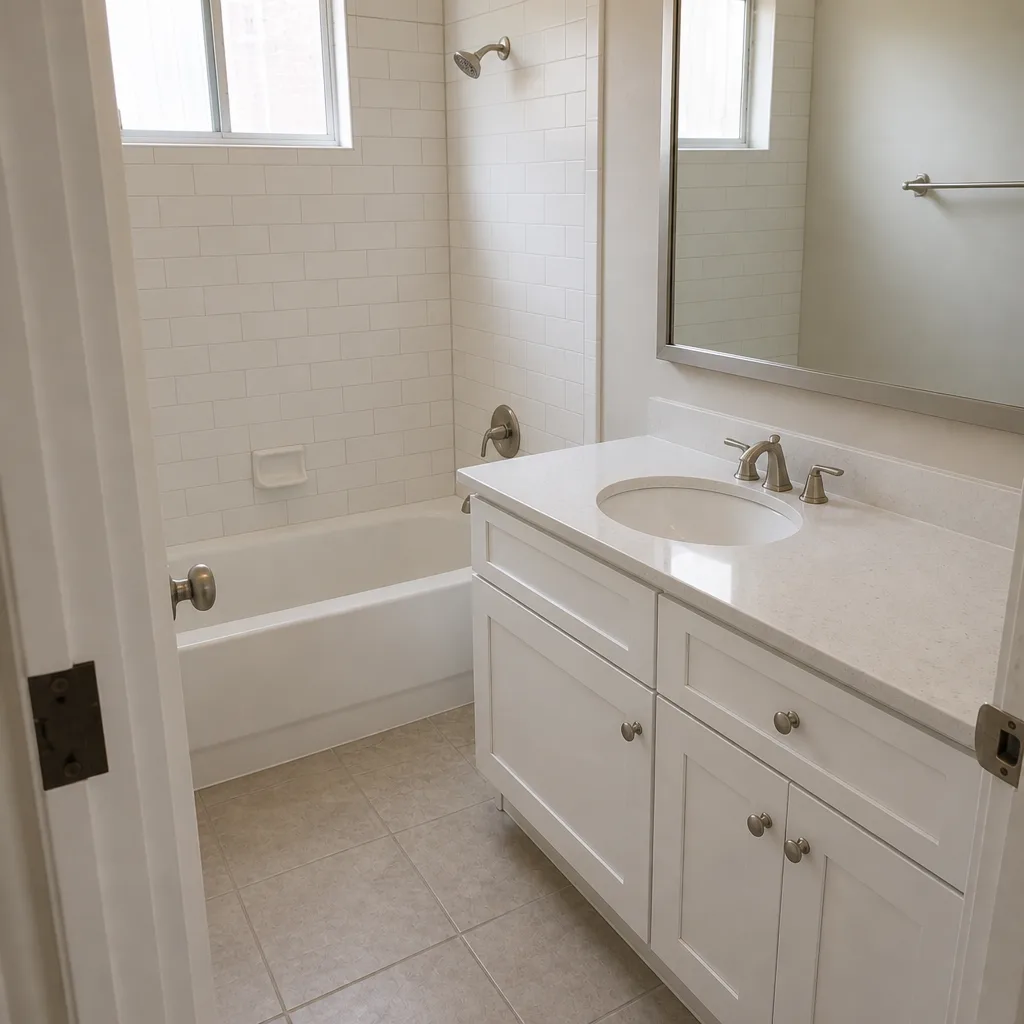 After
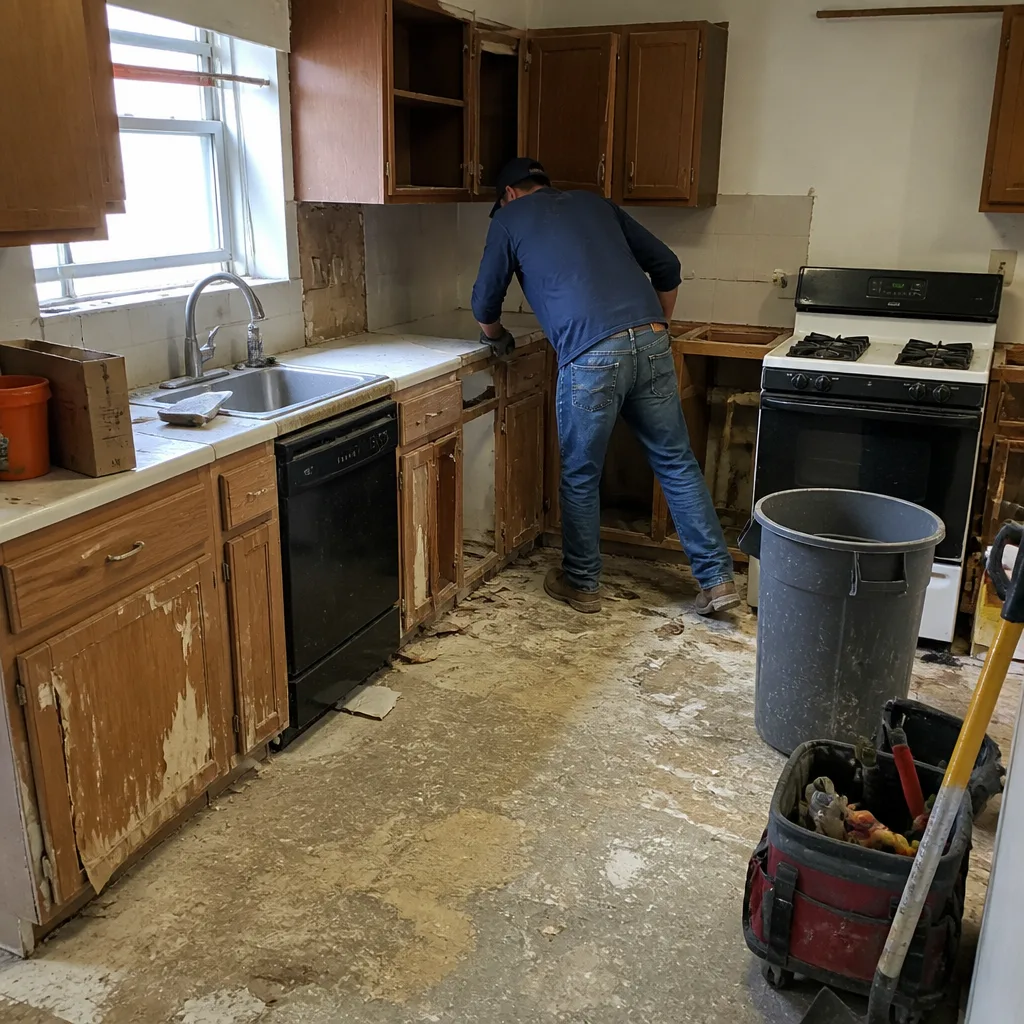 Before
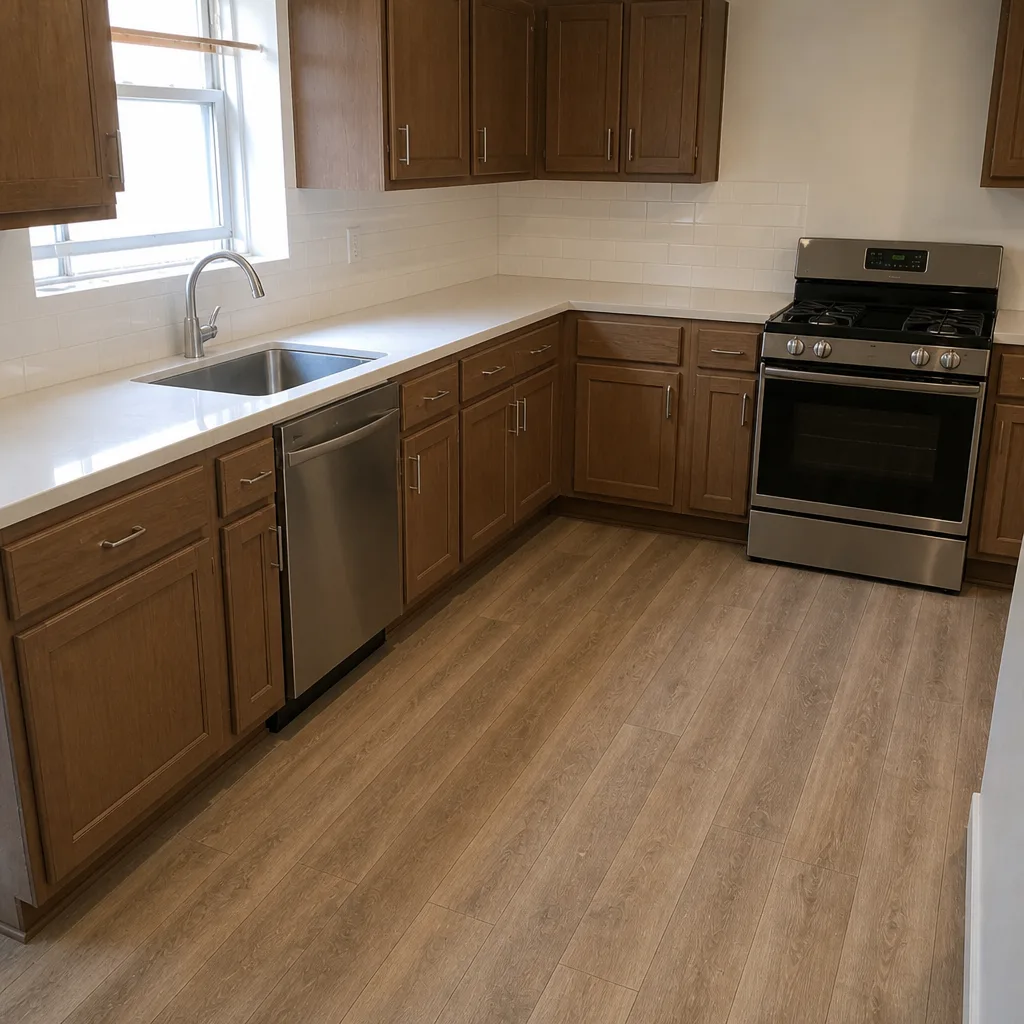 After
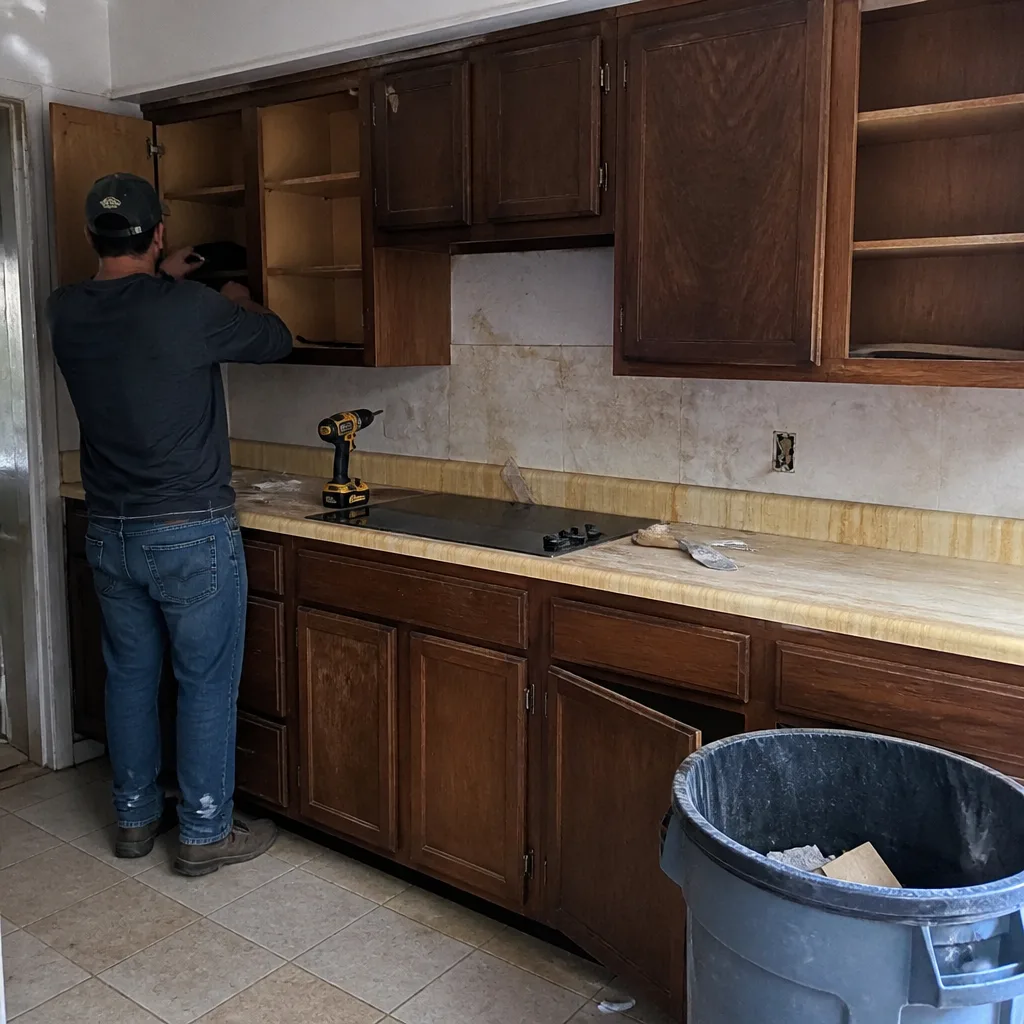 Before
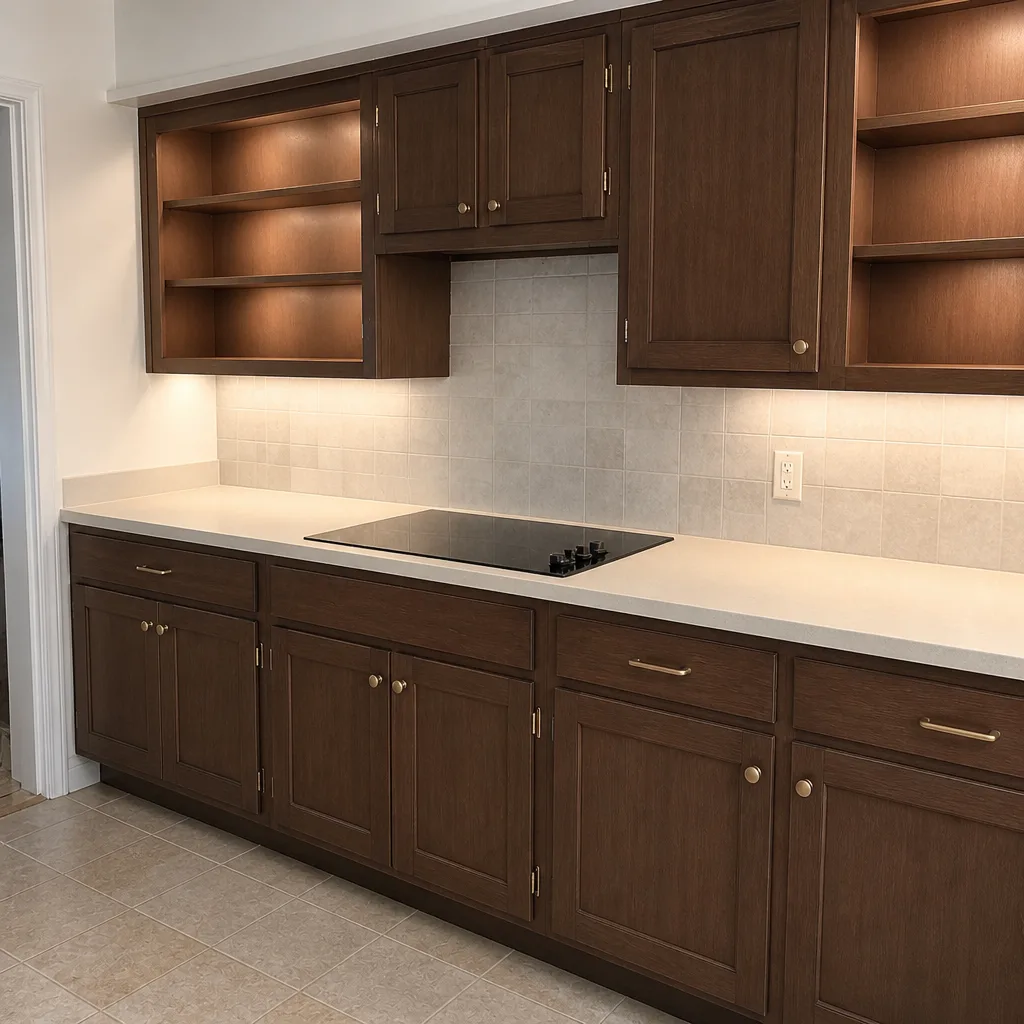 After
When to Call a Professional
Some seasonal items are fine to check yourself. But several aren’t, and the line is clear. Call a professional when you find water staining on attic sheathing, when a roof has visible lifted or missing shingles, when exterior door frames or window sills no longer sit square, when a slab has a crack wider than a hairline or any displacement, when a fence post lifts out of the ground, when a paver area has sunk more than a small fraction of an inch, or when pipe insulation in an unheated space is missing and the forecast calls for a hard freeze. High-tension garage door springs, gas line work, and any electrical work in a panel are not homeowner items. Construction Lewisville offers free estimates in Lewisville with a written line-item scope, so you know the total before anything starts. Call (833) 620-6067. We answer 24/7. Fast dispatch from 7am to 7pm, Sunday through Friday.
Frequently Asked Questions
Schedule roofing and exterior caulking in spring or fall, with fall being the tightest window. Roof repairs get the mildest weather from March through May and from September through early November, and exterior sealants need sustained warmth to cure. Summer heat makes asphalt shingles tacky and hard to work with, and late fall runs out of cure time. Call (833) 620-6067 to check scheduling. Estimates are free.
Two to three times a week during drought conditions, using a soaker hose set 12 to 18 inches from the foundation, is a common starting point. The goal is even moisture around the full perimeter, not a deep soak. Corners dry fastest and often need extra coverage. If the slab has an existing stable condition, adjust based on observations and photos across the season. Call us if you’re unsure whether the movement you’re seeing is normal.
No. The written line-item estimate sets the price, and we work to that scope. If a hidden condition turns up during the work, we stop and walk you through it before anything changes. You get the choice, not a surprise invoice. Call (833) 620-6067 for a free estimate.
Yes, permitting is part of the process on any structural addition or ADU. Requirements vary by project type and lot, so the scope walk covers permit needs up front. Work is inspected and signed off before closeout. Call for a free estimate and we’ll walk you through what applies to your project.
Fiber cement siding, brick, and pavers generally handle a short freeze well, while wood siding and wood fencing see the most splitting because they hold moisture. The joints and seams matter more than the material itself. James Hardie fiber cement is a strong choice, but the caulk at the seams still needs a fall refresh. Call (833) 620-6067 to walk through material options before a scope is set.
Most driveway replacements run one to three weeks depending on square footage, base condition, and whether the scope crosses into drainage or grading. Paver base compaction needs moderate temperatures, which is why fall scheduling is often the practical choice. The written estimate includes the timeline. Call for a free estimate and we’ll give you a realistic date range rather than a guess.
The Bottom Line
Lewisville doesn’t reward a generic maintenance calendar. It rewards attention to when things actually fail here: post-ice roof and flashing checks in spring, foundation watering through the summer drought, the tight window for sealant work in fall, and freeze protection on older plumbing and exterior materials in winter. None of it is complicated. All of it is easy to miss. Keep a rolling log with dates, photos, and product names, and every contractor who works on your home will start with real information instead of a blank page. If the list crosses more than one category, that’s the point to bring in one team. It’s the phrasing we hear often from homeowners who’ve managed three contractors on one project. From the ridge cap to the driveway edge, one contractor, every phase. Call (833) 620-6067 to schedule your free estimate. We answer 24/7. Fast dispatch from 7am to 7pm, Sunday through Friday. Our technicians have up to 12 years of experience, and the written estimate sets the final price.
Written by the team at Construction Lewisville.