Last updated November 17, 2026






Free written scope consultation - allowances, timeline, and change-order rules on paper before a single trade is scheduled
DIY vs Professional Construction: The Lewisville Homeowner’s Decision Guide
Most homeowners frame the DIY question around skill: can I do this myself, and will it look right? In Lewisville, that’s usually the wrong question. The decisions that actually cost people money here are permit accountability and soil-driven technical requirements, not whether they can run a tile saw. Some projects are genuinely yours to take on, and some will void a manufacturer warranty or cloud a future sale the moment you touch them. This guide draws the line at specific project types so you know which is which before you pick up a tool.
Quick Answer
In Lewisville, DIY makes sense for non-structural cosmetic work, fence replacement that meets HOA specs, and small flatwork under square-footage thresholds. It does not make sense for electrical, structural, HVAC, foundation drainage, roofing, or anything a manufacturer warranty ties to professional installation. When in doubt, the permit requirement, not your skill level, is the deciding factor.
Styles & brands we work with
- Kitchen remodeling
- Bathroom remodeling
- Home additions & ADU
- Roofing
- Windows & doors
- Driveway & pavers
- Fence
Table of Contents
- Where Lewisville Draws the Permit Line
- Projects Where DIY Genuinely Pays Off in Lewisville
- Manufacturer Warranty Language That Voids on DIY
- The Hidden Cost Calculation Most Homeowners Skip
- Why Lewisville Soil Changes the Footing and Drainage Conversation
- Splitting Cost Without Splitting Risk: The Hybrid Approach
- How to Choose a Contractor When You Do Hire Out
Where Lewisville Draws the Permit Line
Lewisville permit rules do not ask whether you’re capable. They ask what kind of work it is. Four categories sit firmly on the professional side regardless of homeowner skill, and getting this wrong is the single most expensive DIY mistake we see:
- Electrical work of any kind beyond swapping a fixture or a switch. New circuits, panel changes, added outlets, and anything requiring a permit and inspection belong to a licensed electrician. Faulty wiring is also a fire risk, and a home inspector will flag unpermitted electrical work fast.
- Structural work. Removing a wall, cutting a header, adding a beam, or altering load-bearing framing requires an engineer’s involvement in most cases and a permit in all of them.
- HVAC. Refrigerant handling is federally regulated, and equipment replacement needs permits and inspections. This is not a homeowner category anywhere in Texas.
- Anything affecting foundation drainage. Regrading, adding hardscape that changes how water moves near the foundation, and drainage corrections fall into this bucket. See the soil section below for why this one matters more in Lewisville than in most North Texas towns.
What about the gray zone? Flatwork and fences are the projects homeowners ask about most. A concrete driveway, a patio slab, or a fence replacement can sometimes be self-performed, but small flatwork near the foundation is where the rules bite hardest. Interior cosmetic work – paint, tile, trim, cabinet refacing, flooring – is where the permit line basically disappears. That’s not a coincidence; it’s a useful signal. If the work changes the structure, the systems, or the way water moves around the house, it’s professional territory. If it changes only the surface, it’s often yours.
The honest answer to “do I need a permit” is always the same: call the city’s building department and ask. Rules in Lewisville change, and the person on the phone will tell you what applies to your specific address. What we can tell you is that unpermitted work shows up in title searches, in disclosure requirements at sale, and in the reassessment of your home’s value. That’s where the savings evaporate.
Projects Where DIY Genuinely Pays Off in Lewisville
Plenty of work in a Lewisville home rewards a homeowner who has the time and the patience. The pattern is consistent: cosmetic, non-structural, and reversible. Here’s what actually makes sense to self-perform:
- Interior paint and drywall patching. No permit, low risk, high return. Prep work is 80% of the quality, and you control that.
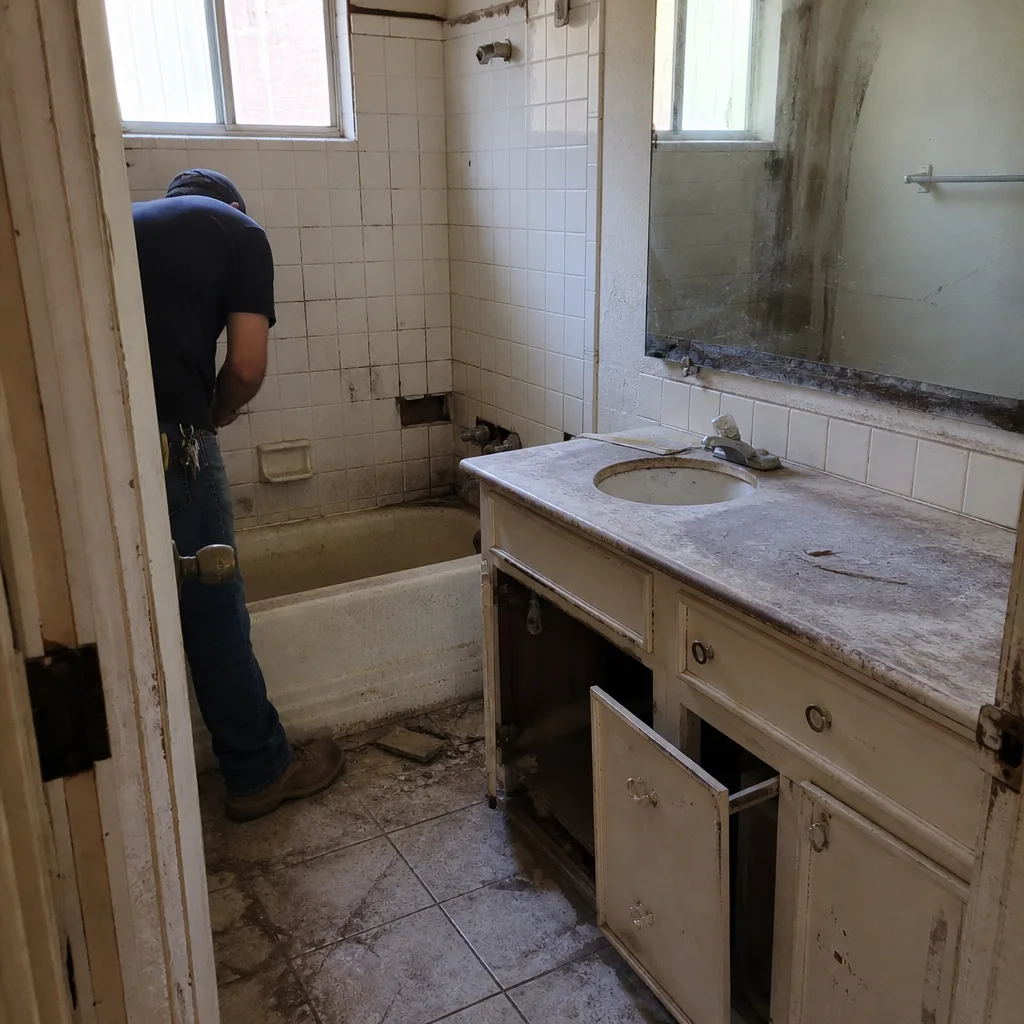
- Tile work in small areas. A backsplash or a small floor is a reasonable first tile project. Full bathroom remodels with Schluter-system waterproofing are not; the waterproofing layer is where the failure happens, and it’s invisible until it isn’t.
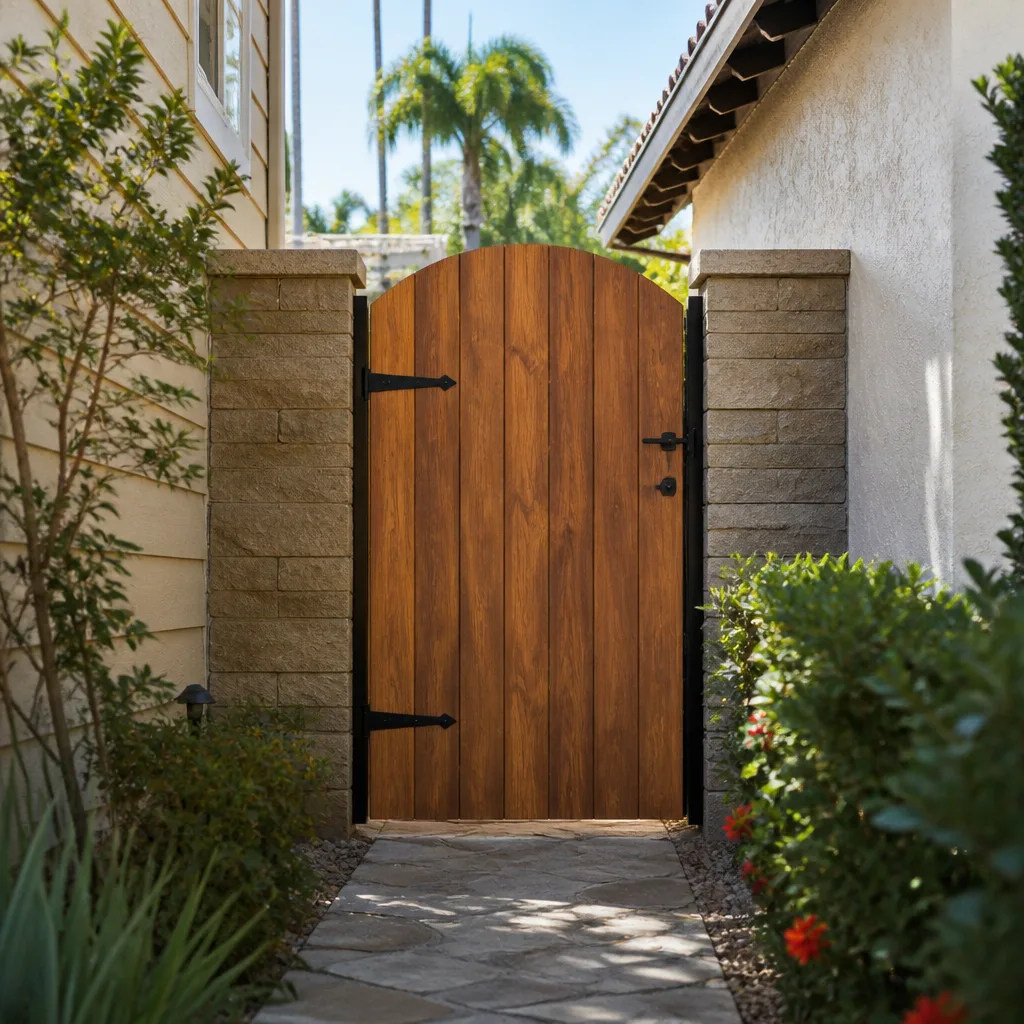
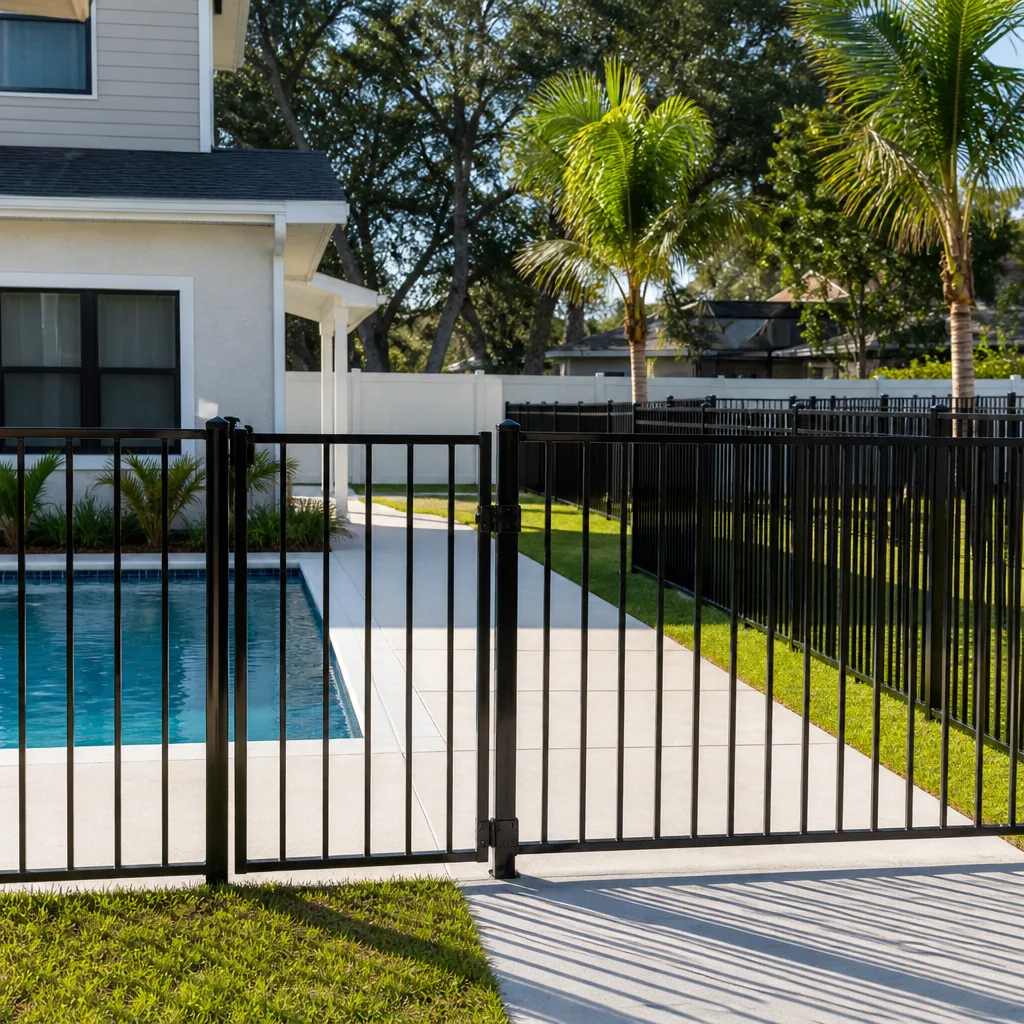
- Fence replacement within HOA specs. If your HOA allows the same footprint and material, a like-for-like fence replacement is often doable. Height and material changes usually need approval first. Where the fence is close to property lines or your association has strict rules, fence installation as a contracted job removes the approval risk.
- Small flatwork under local square-footage thresholds. A short walkway or a small pad can sometimes skip the permit. Check the threshold with the city before you pour.
- Trim, cabinet hardware, and fixture swaps. These are cosmetic, reversible, and low consequence.
The other side of the ledger is shorter but heavier. Full bathroom remodels, roof replacement, window and door replacement, structural changes, electrical, HVAC, foundation work, and anything approaching an addition are professional categories. Not because a determined homeowner can’t finish them, but because the failure modes are expensive and slow to surface. A miscalculated slope under a shower pan looks fine for a year. A roof installed without the manufacturer’s nailing pattern may not fail until a hail event in year six, when you find out the warranty doesn’t cover you.
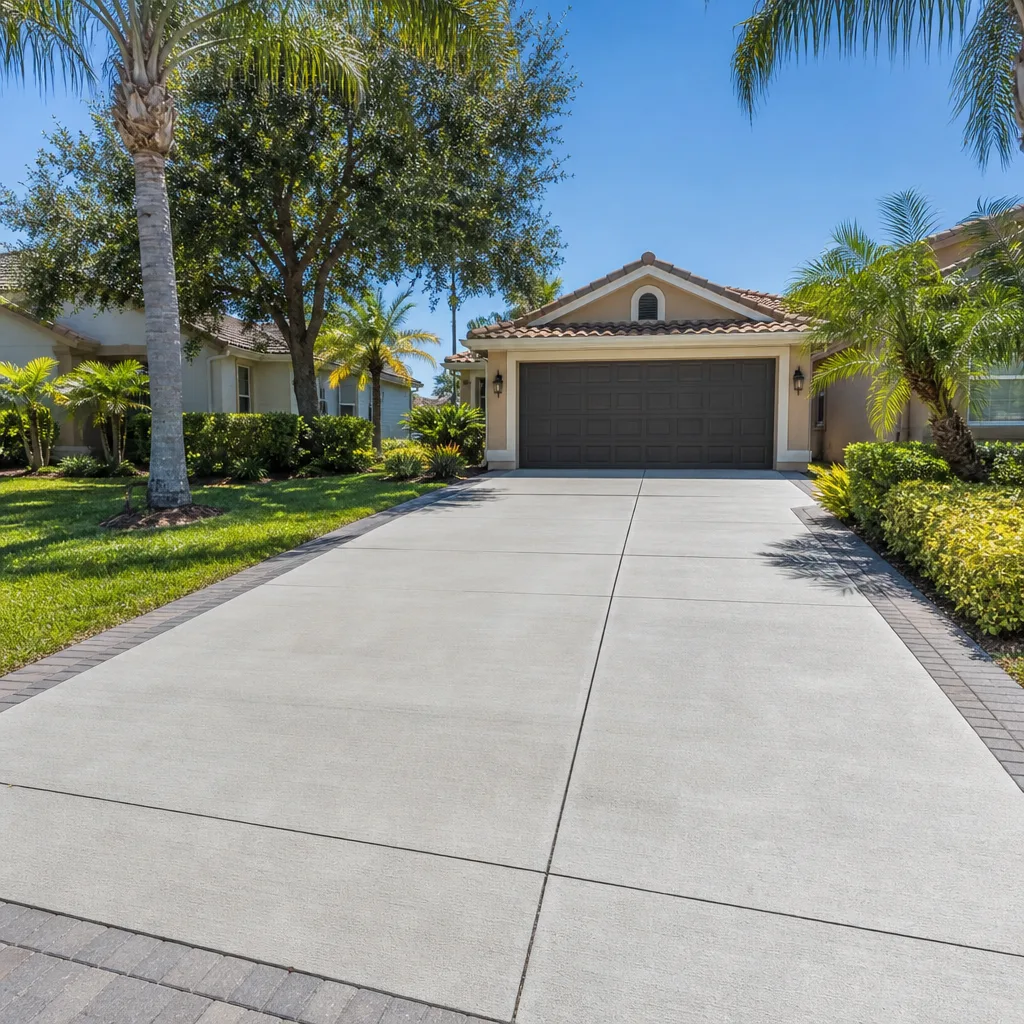
There’s a middle category too: paver driveways and patios. A small patio is a real DIY project if you’re willing to do the base prep correctly. A driveway that meets the street and ties into the garage apron is bigger than most homeowners expect. When base compaction and edge restraint matter, driveway & pavers work done by a contractor who handles Belgard, Unilock, Techo-Bloc, and Cambridge Pavers is usually the cheaper long-run call.
Manufacturer Warranty Language That Voids on DIY
This is where the DIY conversation usually goes wrong. Homeowners compare their labor hours to a contractor’s price and stop there. The warranty is the missing line item, and in Lewisville it’s the one that shows up years later.
Major manufacturers tie warranty coverage to professional installation, sometimes at the material level and sometimes at the labor level. The pattern is consistent across brands, even when the specific language differs:
- Roofing (GAF, CertainTeed, Owens Corning). The material warranty often survives, but the enhanced system warranties – the ones that cover labor and tear-off – typically require installation by a certified installer following the manufacturer’s spec. Nailing pattern, underlayment choice, and flashing details are the technical items that get checked after a claim, and any deviation can void coverage.
- Siding (James Hardie). Siding warranties commonly require installation to the manufacturer’s published spec, including the specific fastening and clearance details. Homeowner-installed Hardie can be covered on the material side, but the labor and finish protections usually don’t apply.
- Concrete and flatwork (Quikrete, Sakrete). The material warranty is narrow and technical. It covers product defects, not mix-water ratios, curing, or base prep. A pour done with the wrong water content is a homeowner problem, not a Quikrete problem.
- Countertops (Cambria, Silestone, Caesarstone). Engineered stone warranties are usually tied to fabrication and installation by qualified fabricators. A DIY install can leave you with material coverage but no labor coverage, and edge and seam failures are exactly what the labor side protects.
- Fixtures and hardware (Kohler, Moen, Grohe, Toto). Most fixture warranties cover the product itself. The labor to fix a failed valve, though, is yours unless a qualified installer set it.
The hail event is where this arithmetic becomes concrete. A roof installed outside the manufacturer’s spec can lose the enhanced warranty, and a single hail claim is often large enough to make the difference between a $400 DIY saving and a $4,000 (or larger) out-of-pocket repair. Same logic for siding after a windstorm. The savings on the front end are real; so is the coverage you gave up to get them.
The Hidden Cost Calculation Most Homeowners Skip
The classic DIY math is materials plus a Saturday. Here’s the calculation that actually reflects the decision:
- Materials at retail. Contractors buy at trade pricing, so a homeowner pays more per unit, and the gap widens on branded materials where supply relationships matter.
- Labor hours valued at your real hourly rate. If you bill $60/hour for your own time and the project takes 20 hours, that’s $1,200 of your labor. Not free.
- Tool acquisition or rental. Tile saws, demo hammers, compacters, and the correct taping knives add up fast on one-off jobs.
- Permit risk. Unpermitted work that requires disclosure at sale, that’s flagged by an inspector, or that must be removed and redone is the biggest swing factor. The disclosure obligation alone can be worse than the labor savings, particularly on flatwork near the foundation.
- Warranty void. Quantify it as the labor cost of one likely repair during the warranty period. That’s the number your savings has to beat.
- Rework exposure. Most DIY failures aren’t cosmetic. They’re the waterproofing layer behind tile, the flashing around a window, or the base under pavers. Rework usually costs more than the original professional bid.
- Resale signal. Buyers discount unpermitted work and homes with visible DIY shortcuts. A buyer’s inspector will find what your weekend didn’t.
The comparison isn’t DIY price versus professional price. It’s DIY price plus these six line items versus the professional installed-and-warranted price. When you add them up honestly, the projects that stay in the DIY column tend to shrink to the ones with no permits, no warranty exposure, and fast rework if something goes wrong. The rest of the list moves to the professional column, and the professional price starts to look like the lower number, not the higher one.
Why Lewisville Soil Changes the Footing and Drainage Conversation
Lewisville sits on expansive clay soil, the kind that swells with wet weather and shrinks back in drought. That single fact reorders how you think about footing depth, slab thickness, flatwork jointing, and how water drains around a house. It’s also why foundation drainage corrections belong on the professional side of the line, almost without exception.
Three practical consequences for Lewisville homeowners:
- Flatwork near the foundation needs engineering judgment, not just a level line. A slab poured 2 inches too high, or a walkway that sheds water toward the house instead of away, can redirect runoff toward the foundation and cause movement over time. The concern is quiet and slow, not dramatic, which is exactly why DIY work often misses it.
- Paver base prep is not optional. The base layer is what carries the load. Undersized base, poor compaction, or missing edge restraint shows up as settlement within a couple of seasons. This is a place where the brand on the paver matters less than the prep underneath it. We’ve seen premium Belgard and Techo-Bloc pavers fail on a bad base just as easily as economy pavers – the material isn’t the weak point.
- Grading changes need review before they happen. Regrading a yard or adding a patio that changes how water moves near the house is a professional call. That’s not because homeowners can’t move dirt. It’s because the consequences of getting the slope wrong run into the thousands before you notice them.
On the interior side, the same theme shows up under the tile. Schluter-system waterproofing in a bathroom remodel isn’t a luxury feature – it’s the difference between a shower that stays dry behind the wall and one that rots the subfloor. When you can’t see the failure, the value of a trained installer is in what they did before you saw it. That single idea covers a lot of Lewisville construction ground.
Splitting Cost Without Splitting Risk: The Hybrid Approach
There’s a legitimate middle path that a lot of homeowners overlook. You can hire out the technical phase and self-perform the finish phase. Done right, it splits cost without splitting risk. Done wrong, it creates a finger-pointing situation where the contractor’s warranty doesn’t cover your finish work and your finish work doesn’t cover the structural work underneath.
The split that generally holds up:
- Professional phase: structural, waterproofing, permits, mechanical, and anything that requires an inspection. This is where a contractor’s license, insurance, and manufacturer relationships earn their price. Schluter-system waterproofing, framing, plumbing rough-in, and electrical are all in this bucket.
- Professional phase: inspections and sign-off. Don’t skip the inspection. A passing inspection is the paperwork a future buyer will want to see.
- Self-performed phase: paint, trim, tile backsplash, cabinet hardware, and finish carpentry. These are reversible and cosmetic. If you get them wrong, the rework stays contained.
The trick is documentation. If you’re going to self-perform a phase, write it into the contract. Name what you’re doing and where the contractor’s work stops. Protect the material and labor warranty on the professional phase, and keep your finish work out of the contractor’s responsibility line. That’s what separates a clean hybrid from a messy one. Our home additions & ADU projects often run this way: site-built structural work and prefab or modular ADU partnerships with Abodu, Boxabl, Mighty Buildings, and Dvele, with the finish phase split out cleanly.
How to Choose a Contractor When You Do Hire Out
Once a project lands on the professional side, the next question is who does it. In our experience, the homeowners who end up happiest are the ones who shopped the contractor before they shopped the material. Four things to look for:
- Authorized installer status with the brands they’re proposing. Manufacturer spec matters for warranty coverage. A contractor who’s on the manufacturer’s install list keeps that coverage intact. Look for this on roofing, siding, windows, and countertops specifically.
- Breadth of the brand bench. A contractor with a real roster across the categories (Cambria, Silestone, and Caesarstone for countertops; KraftMaid and Wellborn for cabinetry; Kohler, Moen, Grohe, Toto, Blanco, and Delta on fixtures; GAF, CertainTeed, Owens Corning plus additional manufacturers on roofing) can offer real selection. Single-brand relationships usually mean a take-it-or-leave-it package.
- Scope coverage. From the ridge cap to the driveway edge, a contractor who handles roofing, windows, doors, fencing, pavers, kitchens, bathrooms, and additions eliminates the scheduling chaos of stitching trades together. The same team that installs your roof can remodel your kitchen and pave your driveway.
- Written line-item quotes with no change orders. Line items tell you what you’re paying for. Change orders tell you what you didn’t ask about. The written estimate should set the price, and the contractor should stand behind it. Our Construction Lewisville approach is a free walk-through of material options before a single measurement is taken, with a fixed-price quote at the end.
Meet in person before you sign. Ask to see the manufacturer spec for the roofing or siding brand they’re proposing. If they can’t produce it, they’re not authorized and the enhanced warranty likely doesn’t apply. That question alone sorts out most of the field during the estimate visit.
Common Mistakes to Avoid
- Assuming skill is the deciding factor. The permit requirement, not your experience level, defines what’s yours to self-perform. Homeowners who’ve trimmed trees for years still need a licensed electrician for a panel change.
- DIY-ing the waterproofing layer in a bathroom. Tile is the visible layer; waterproofing is the one that fails. Schluter-system waterproofing is the difference between a shower that lasts and one that starts rotting within a few seasons.
- Pouring flatwork without checking the square-footage threshold. Lewisville permit rules are specific, and the small-job exemption is real. Ask before you pour.
- Assuming the material warranty equals the labor warranty. Cambria, Hardie, and GAF all keep the material warranty alive on many DIY installs while voiding the labor coverage. The labor side is what pays when there’s a failure.
- Grading or regrading near the foundation without a review. Expansive clay soil is unforgiving, and the slope wrong is invisible for months. Then it isn’t.
- Forgetting to check HOA rules before a fence replacement. Like-for-like replacement is usually fine. Height, material, and setback changes often need approval first.
- Buying branded materials at retail without trade pricing. The price gap on a roof or a paver driveway is meaningful, and a contractor’s installer relationship usually comes with it.
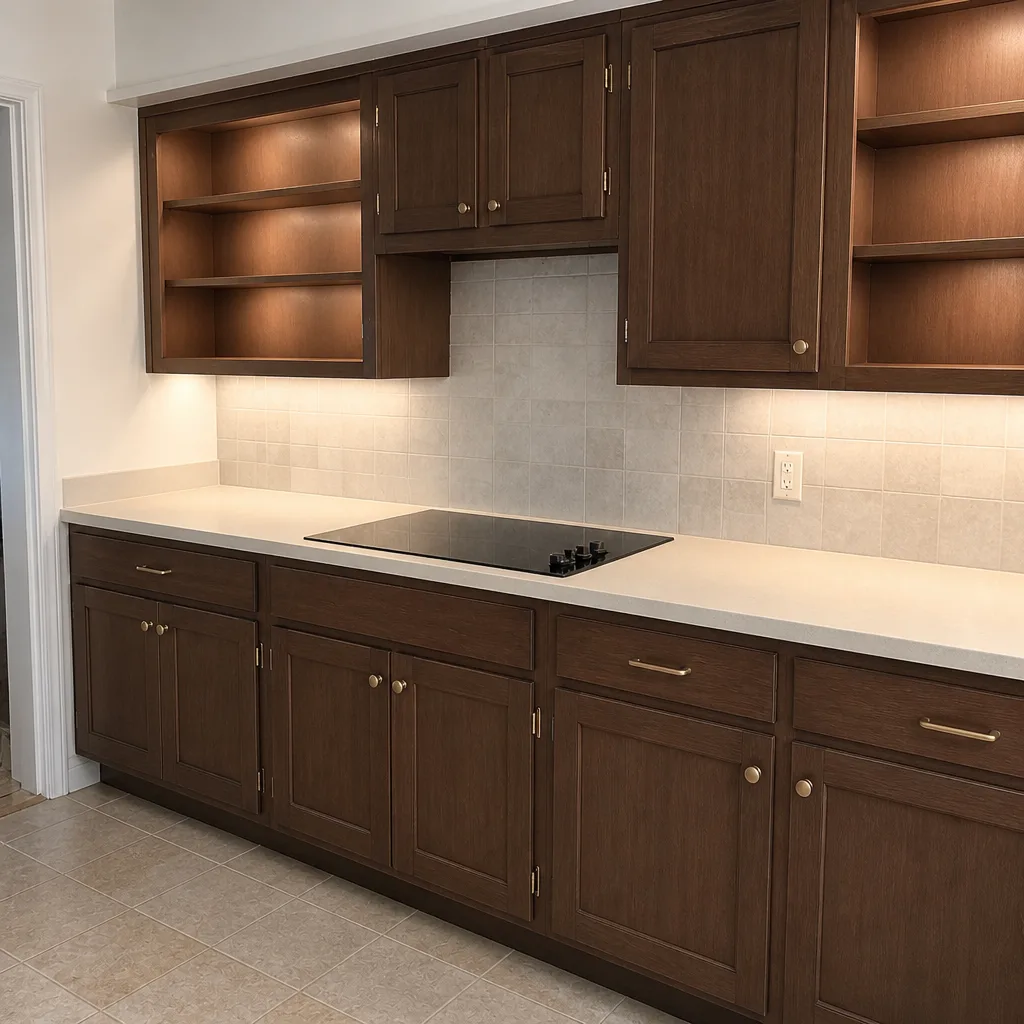
See the difference
 Before
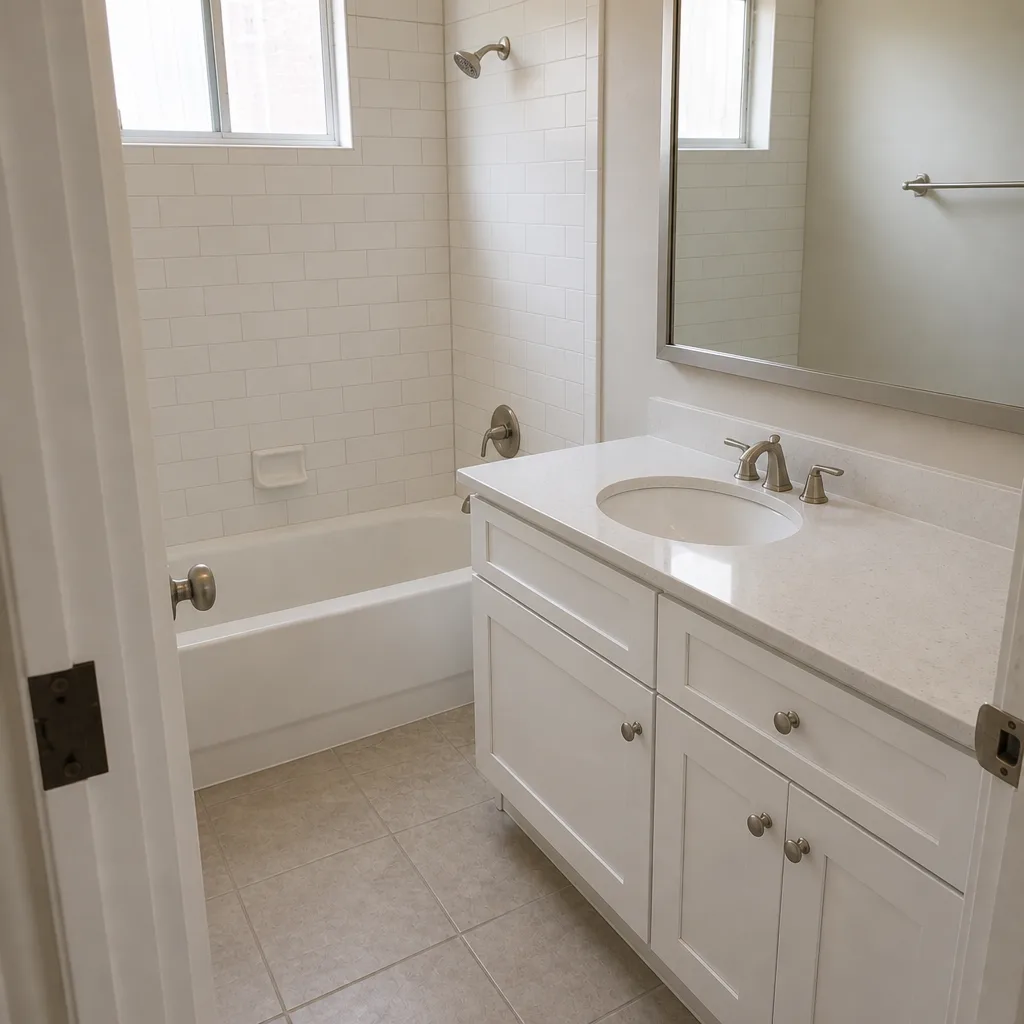 After
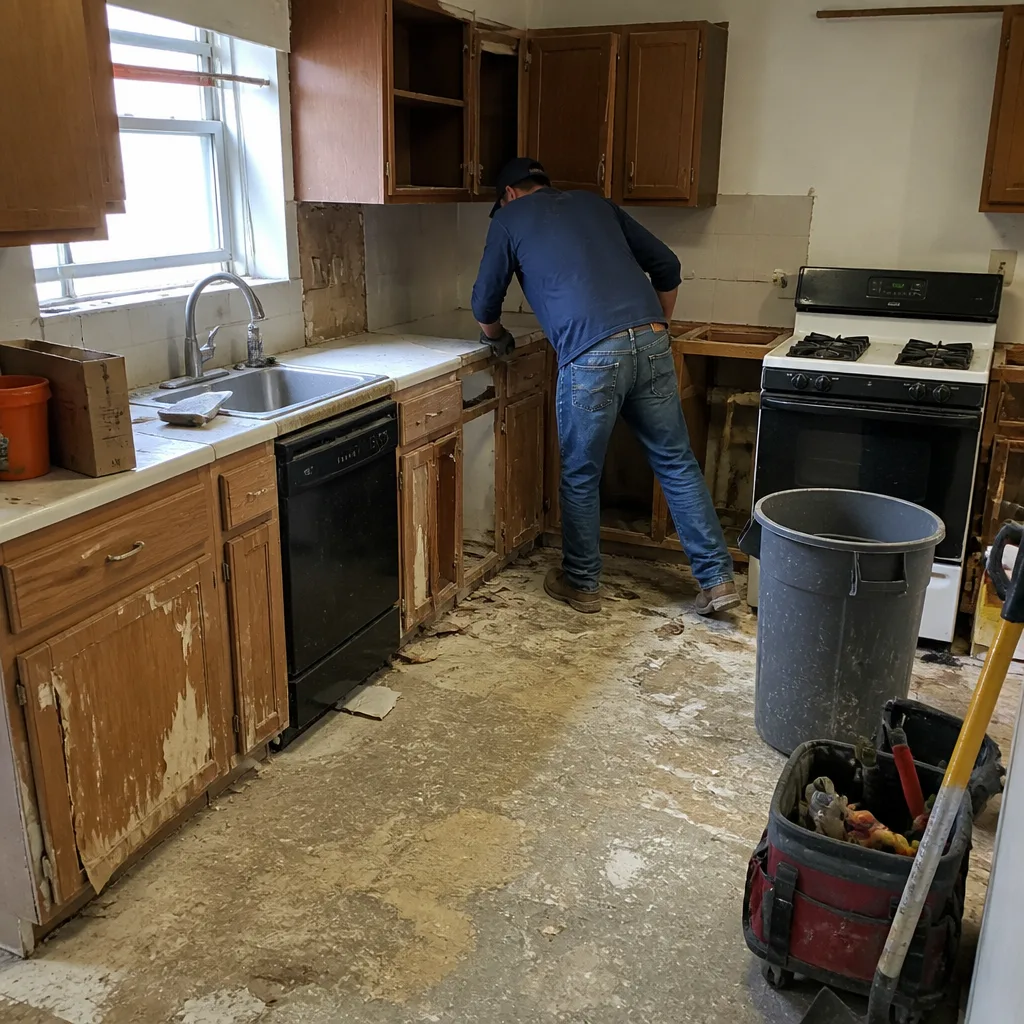 Before
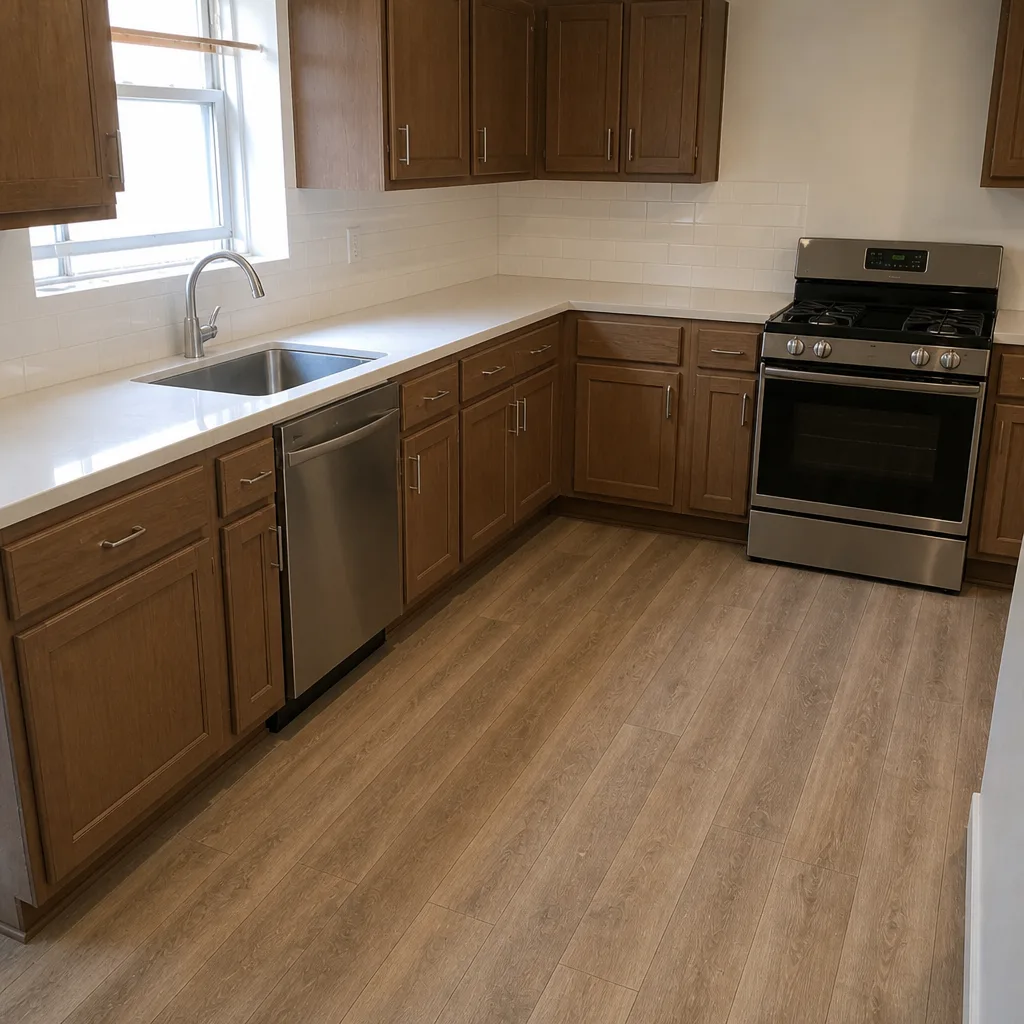 After
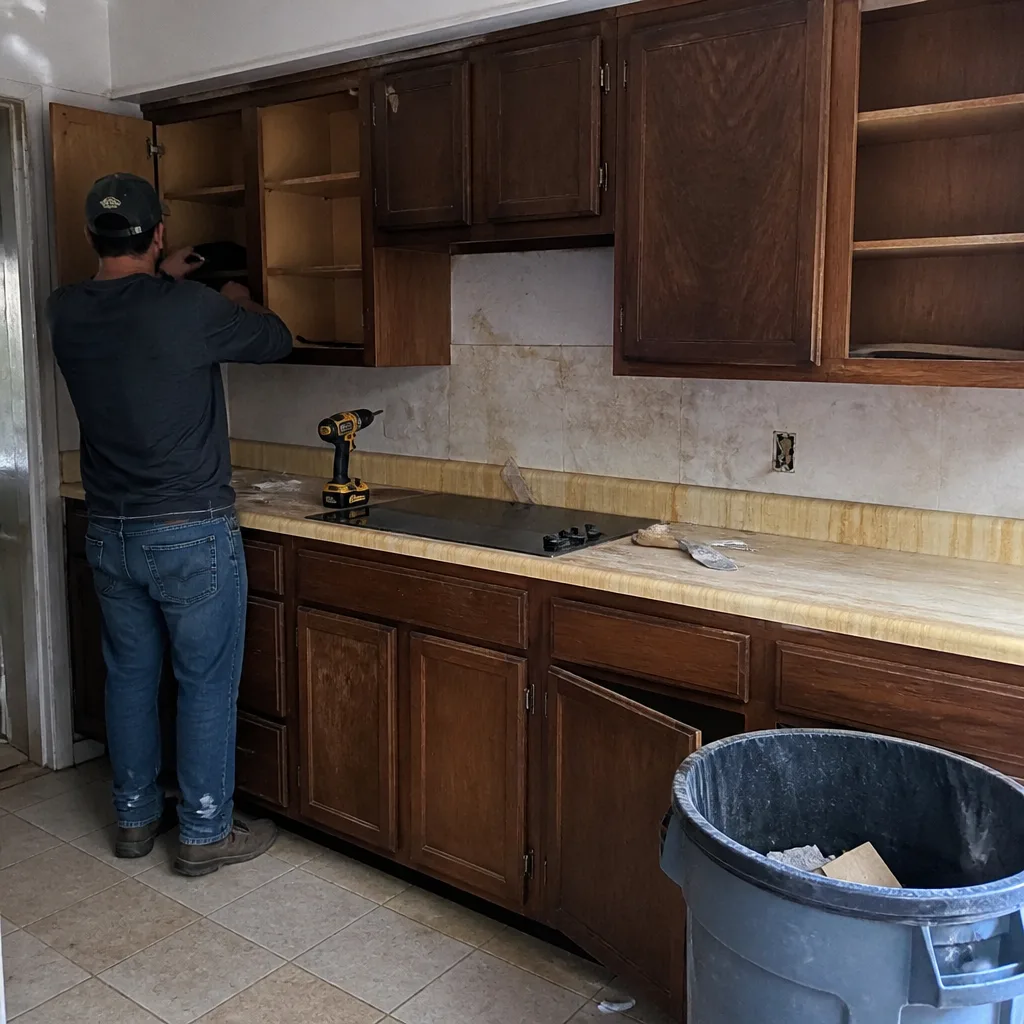 Before
 After
When to Call a Professional
You need a professional in Lewisville when the project touches structural, electrical, HVAC, foundation drainage, waterproofing, or anything a manufacturer warranty ties to certified installation. You also need one when a permit and inspection stand between you and a clean future sale. That covers most of the categories homeowners are tempted to take on: bathroom remodels, roof replacement, window and door replacement, paver driveways, home additions, and anything plumbing or electrical beyond a fixture swap. For the cosmetic layer (paint, tile, trim, cabinet hardware), DIY is a genuine option. When the technical phase needs a hand, Construction Lewisville offers free estimates in Lewisville. Call (833) 620-6067.
Frequently Asked Questions
Partially. Cosmetic work (paint, tile, trim, cabinet hardware, fixture swaps) is doable. The waterproofing layer, plumbing rough-in, and any electrical need a licensed pro, and the Schluter-system waterproofing behind the tile is the layer most DIY installs get wrong. Call (833) 620-6067 for a free estimate on the technical phase.
Often yes, on the labor side. GAF, CertainTeed, and Owens Corning all tie their enhanced system warranties to certified installation. Nailing pattern and flashing details get inspected after a claim, and any deviation can void coverage. Call (833) 620-6067 to confirm what a professional install protects.
Sometimes. Small flatwork under square-footage thresholds may be exempt, but flatwork near the foundation, or that changes drainage, almost always requires a permit and inspection. Ask the city’s building department first, then call (833) 620-6067 for a free estimate if you go professional.
It can be, if the HOA approves the height and material. Like-for-like replacement on the same footprint is the safest case. Approvals first, then decide. For a contracted install, call (833) 620-6067 for a free estimate.
Yes. Unpermitted work typically requires disclosure at sale and shows up in title searches and inspection reports. Buyers discount it, and rework often costs more than the original professional bid would have. Call (833) 620-6067 to scope a compliant project.
Yes, and it’s a good path when done right. Hire out structural, waterproofing, and permit-driven phases, self-perform the finish phases, and write the split into the contract. That keeps the warranty on the professional phase clean. Call (833) 620-6067 for a free estimate.
The Bottom Line
In Lewisville, the DIY decision comes down to permits and soil-supported technical requirements more than skill. Cosmetic interior work and like-for-like fence replacement stay on the DIY side. Anything electrical, structural, HVAC, foundation drainage, waterproofing, or tied to a manufacturer’s certified-install warranty belongs to a professional. The math that matters is DIY price plus your labor hours plus permit risk plus warranty void plus rework, compared to a professional installed-and-warranted bid. For the projects that land on the professional side, call (833) 620-6067. We answer 24/7. Fast dispatch from 7am to 7pm, Sunday through Friday. Estimates are free, the quote is in writing, and the written estimate sets the price.
Written by the team at Construction Lewisville.