Last updated November 17, 2026





Free written scope consultation - allowances, timeline, and change-order rules on paper before a single trade is scheduled
Construction Emergency Preparedness Guide for Lewisville Homes
Most homeowners build their emergency plan around a generic list: flashlight, water, batteries, maybe a generator. That list handles a power outage. It does nothing for the moment a hailstone punches through your roof deck, a pipe bursts inside an exterior wall, or a spring downpour sends water pooling against your foundation because a downspout has been running backward for a season. Lewisville sits in a risk corridor where these events repeat on a fairly predictable calendar, and the homes that come through them cheapest are usually the ones whose owners did a little quiet work months before the storm. This guide walks through that work: the three construction emergencies this city sees most, the pre-season audit that catches them early, the first 48 hours after damage, and how to line up a contractor before you need one.
Quick Answer
Construction emergency preparedness in Lewisville means auditing your home against the local risk calendar before storm season: roof flashing and shingle condition ahead of hail season, foundation perimeter drainage ahead of spring rains, and exterior wall penetrations ahead of freeze season. Homeowners who establish a contractor relationship and keep current photos on file get priority scheduling and faster, cleaner insurance outcomes when damage happens. The preparation itself is mostly inspection and documentation, not spending.
Styles & brands we work with
- Kitchen remodeling
- Bathroom remodeling
- Home additions & ADU
- Roofing
- Windows & doors
- Driveway & pavers
- Fence
Table of Contents
- Lewisville’s Actual Construction Risk Calendar
- The Top Three Construction Emergencies in Lewisville
- The Pre-Storm Home Audit Checklist
- The First 48 Hours After a Construction Emergency
- Why a Pre-Established Contractor Relationship Saves Money
- Insurance Claims in Denton County: What Adjusters Look For
- Temporary Repairs: What’s Safe and What Waits
- Building a Construction Emergency Kit
Lewisville’s Actual Construction Risk Calendar
National emergency advice treats weather risk as a single blob. North Texas doesn’t work that way. The threats that damage Lewisville homes cluster into distinct windows, and knowing which window you’re standing in tells you what to check this month.
Winter (roughly December through February): freeze events. The February 2021 freeze is the reference point for most of us now. Sustained sub-freezing temperatures turn exterior wall plumbing into a stress point, especially on older homes where pipes run through uninsulated cavities or along exterior-facing walls. Homes with hose bibs that were never drained, or with attic plumbing in a poorly vented space, carry the highest exposure.
Spring (March through May): hail and flash flooding. Hail season in North Texas is real and it stretches across the metroplex. Lewisville’s position near Lewisville Lake adds a second factor: heavy rain events can overwhelm storm drainage and send water across grading that was fine the rest of the year. That’s when foundation perimeter drainage issues reveal themselves, sometimes as a wet crawlspace, sometimes as a crack line that wasn’t there in the fall.
Summer (June through September): heat and wind. Less dramatic but not nothing. Thermal movement stresses roofing fasteners over years, and straight-line winds during summer thunderstorms strip shingles off older roofs. Fence panels take the worst of it.
Fall: the quiet season. This is when the audit work actually gets done, because contractors have room in their schedule and homeowners aren’t reacting to anything. If you’re going to inspect your roof flashing or clear your drainage swales, fall is the sensible time.
The pattern matters because the preparation is staggered. Roof checks belong before spring. Plumbing insulation belongs before the first hard freeze. Drainage work belongs before the rainy season. Trying to do all three in June is a scheduling problem you don’t need. In our experience, the Lewisville homeowners who handle storm damage best are the ones who treated preparation as a fall habit rather than a spring scramble.
The Top Three Construction Emergencies in Lewisville
Three failure modes account for the majority of serious construction emergencies here. Each has a different warning sign and a different response.
1. Hail roof breach
Hail doesn’t usually take off a whole roof. It does something sneakier: it bruises shingle mat, knocks granules loose, and cracks or dents flashing and vents. The roof stays visually intact, water finds its way in weeks later, and by then the connection between the storm and the leak is harder to prove. On older three-tab shingles the damage is often immediate. On newer architectural shingles it can take a season to show. Either way, the emergency arrives as a ceiling stain or a wet attic deck, not as a hole.
2. Pipe burst inside an exterior wall
Bursts in Lewisville overwhelmingly happen inside exterior walls, not under the slab. That’s a meaningful distinction for two reasons. First, the water has to travel before you see it, so damage is often worse by the time it’s noticed. Second, the repair has to open a wall, which means drywall, insulation, and sometimes cabinetry or flooring. Emergency response here is about stopping the water and drying the structure, not fixing the pipe in the moment.
3. Foundation drainage failure after a flash flood
When a heavy rain event dumps water faster than the grading around your house can move it, water pools against the foundation and finds the lowest point. Signs include a damp crawlspace, a new crack in brick veneer, a sticking door, or a soft spot in the lawn where a downspout discharges too close to the wall. Foundation movement from water is often slow. The flash flood is the trigger, but the cause is usually a drainage issue that has been building. For that reason, hardscape and grading conversations often overlap with driveway & pavers, since a sloped, properly draining hardscape is part of the fix.
The Pre-Storm Home Audit Checklist
The audit isn’t a full inspection. It’s a walk-around you can do in ninety minutes and repeat each fall. Go in this order.
Before hail season (late winter):
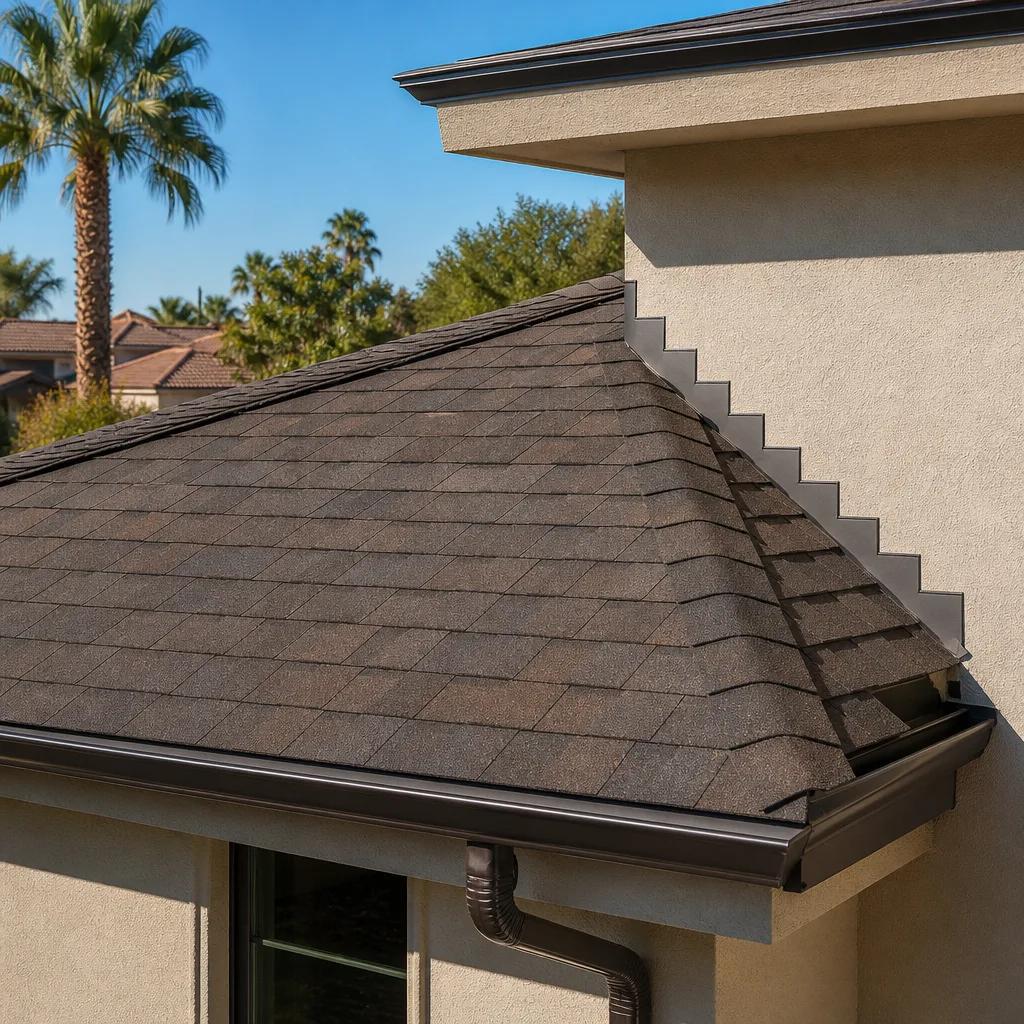
- Check roof flashing at every penetration. Look at the chimney, the vent stacks, the skylight surrounds, and the valleys. Curled, lifted, or cracked sealant around any of these is a hail entry point.
- Look at the shingle field from the ground. Granule loss on the shingles, dark patches, or visible waviness in the rows. A roof that’s already marginal gets a call for inspection.
- Inspect gutters and downspouts. Full gutters back water under the roof edge. Downspouts that discharge within a couple of feet of the foundation are a drainage problem waiting for the next downpour.
- Check the attic deck after the first heavy rain of the season. A flashlight and a walk-through will show you water stains well before the ceiling does.
Before spring rains (March):
- Test your grading. The soil directly around the house should slope away from the foundation. If it’s flat or toward the house, that’s the fix priority.
- Clear drainage swales on the property. Where neighboring yards drain through yours, the path matters.
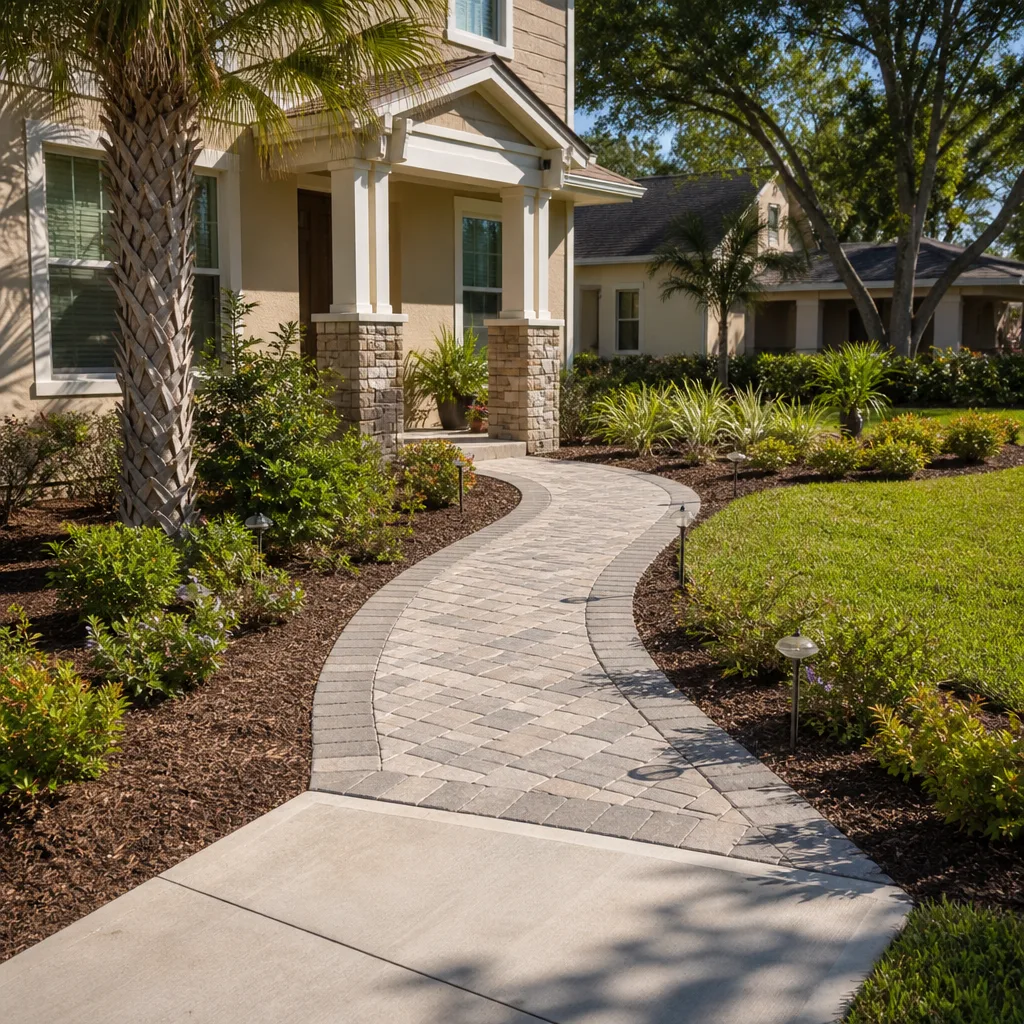
- Check the driveway and walkway joints. Water getting into cracks in a driveway expands them through seasonal movement. Paver patios and walks over a flexible base fare better, but joint sand still needs refreshing.
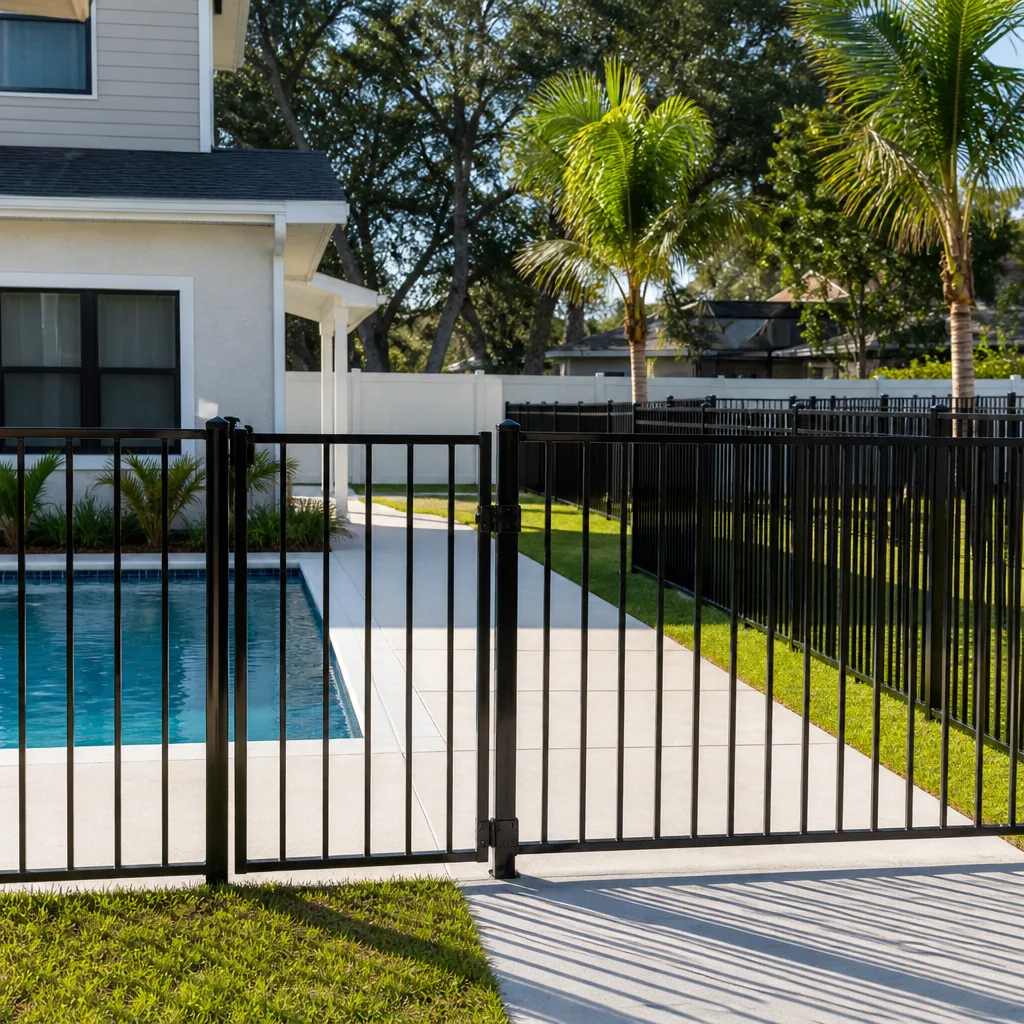
- Check fence post anchorage. Wind strips fence panels that are loose at the posts, and a fallen fence panel is its own small emergency. If your fence is on its last legs, a proper fence installation replaces the guesswork with posts set to spec.
Before freeze season (November):
- Locate and insulate exterior wall pipes. Any plumbing in an exterior-facing wall cavity should have pipe insulation. If you can’t see it, it’s worth having it looked at.
- Drain hose bibs and winterize exterior faucets. Disconnect hoses. Shut off and drain exterior lines if your home has shutoff valves for them.
- Check windows and doors for seal failure. Gaps at frames that let cold air in also let water in. Window sealing is a real winter prep item, and if the glass has failed, that’s a window replacement conversation. You can handle it through the same contractor who does your home additions & ADU work if you’re already planning a larger project.
- Insulate the attic access and any draft-prone crawlspaces. Keep the cold out and the pipes warmer.
The First 48 Hours After a Construction Emergency
What you do in the first two days shapes the insurance claim and the final repair bill. The order matters more than the speed.
Hour 1: stop the source, then document. If water is actively entering, stop it (shut the water main, tarp the roof, board the window) and then photograph everything before anything gets cleaned up. That original documentation of the damage in its raw state is the most valuable evidence you’ll have.
Hours 2-6: document properly. Photograph wide shots first, then close shots. Include the sky or a recognizable reference point in at least one frame so the location is clear. Get photos of the damage from multiple angles and, if there’s standing water, photograph it before you extract it. Take a short video walking the damage. Write down the date and time damage was discovered.
Hours 6-24: temporary mitigation, nothing more. Tarping a breached roof, boarding a broken window, extracting standing water, running drying equipment, and shutting off utilities are all standard mitigation. These steps preserve the property and generally don’t hurt the claim. What does hurt the claim is letting a crew start demo before an adjuster has seen the damage or before you’ve got written authorization from your insurer for the scope.
Hours 24-48: file the claim and get one written scope. Call your insurer. Get a claim number. Then get a written scope of work from one contractor with line items. Don’t collect five verbal estimates; one written scope plus your photo set is stronger documentation than a pile of phone quotes, and it’s what the adjuster actually needs.
A short list of things not to let happen:
- Don’t let anyone sign a contract on your behalf, or sign an assignment-of-benefits form without reading it carefully.
- Don’t let an emergency crew remove materials that were documenting the damage before you’ve photographed them.
- Don’t let anyone start a repair without a written scope and your authorization.
- Don’t throw away damaged materials before the adjuster sees them unless they’re actively unsafe or a health hazard.
Called in after damage, we answer 24/7. Fast dispatch from 7am to 7pm, Sunday through Friday, and a call outside those dispatch hours gets booked into the next opening. We’d rather answer a call at 8pm and get you on the schedule for the next morning than have you guess.
Why a Pre-Established Contractor Relationship Saves Money
Here’s the point most preparedness guides skip. The biggest financial risk in a construction emergency isn’t the size of the storm damage. It’s calling a contractor you’ve never met, in a moment when everyone in Lewisville is calling at the same time.
During the February 2021 freeze, Lewisville contractors were booked roughly eleven weeks out within 72 hours of the storm. Homeowners who had an established relationship got emergency tarping within 48 hours. Homeowners calling cold waited through the entire backlog with open roofs and no way to plan. That gap isn’t about favoritism. It’s scheduling capacity: the contractor already knows your house, has your material specifications on file, and can slot a known quantity into a schedule that’s under pressure from hundreds of unknown ones.
Three practical benefits of lining up a contractor before you need one:
- Known material specs. If your roof is GAF and we already know that, the emergency repair matches what’s there. If you’re remodeling and your kitchen is going to have KraftMaid or Wellborn cabinetry, that’s on file too. On-the-day decisions are expensive; already-made ones aren’t.
- Priority scheduling. Established customers move to the front of the queue when a weather event hits, because the relationship already exists and the scope of your home is known.
- No cold-bid markup. A contractor sizing up an unfamiliar house in an emergency has more unknowns, and unknowns get priced in. A contractor who’s been in your attic and on your roof doesn’t need to pad.
We’re one of the few residential contractors in the area that works across all seven of these trades under one roof: roofing, windows and doors, driveway and pavers, fencing, kitchens, bathrooms, and additions. That matters in an emergency because the trades coordinate themselves. The person who caps your roof after a burst pipe knows the person who repairs the interior drywall.
Insurance Claims in Denton County: What Adjusters Look For
Denton County adjusters are experienced with hail claims. They’ve seen every presentation, and they know what a properly documented claim looks like versus one that’s thin. Here’s what tends to make a difference.
Hail damage documentation: the specifics. Adjusters look for photos of the roof surface taken at close range under good light, showing distinctive impact marks. On asphalt shingles, hail damage shows as bruise marks – dark spots where the mat is broken under the granules – which don’t always read well in a wide photo. Close-ups that show measurement scale (a taped measure or a coin next to the damage) are stronger than abstract shots. Soft metal damage – the downturn at roof vents, gutters, downspouts, HVAC covers – corroborates the shingle damage and is often the clearest evidence a homeowner can collect themselves.
Contractor-provided photo reports change outcomes. A contractor’s report usually includes photos tied to specific building components, a diagram of the damage location, and a written scope of repair. That’s more than most homeowners can produce with a phone camera from the ground. Insurers credit a properly organized report because it lets the adjuster skip the discovery phase. If the claim gets denied, the same organized photo set is what makes an appeal or a second adjuster visit workable.
Timeline matters more than people think. Most policies require prompt notification of a loss. Report the damage as soon as you’ve documented it, even if the extent isn’t fully known. Damage that reveals itself over months is much harder to attribute to a specific event.
Mitigation doesn’t hurt the claim. Tarping, water extraction, and drying are expected. Failure to mitigate, on the other hand, is a legitimate basis for reducing a payout. The insurer wants to see that you protected the property; you just don’t want to repair past the point where damage can be verified.
One thing we won’t do is tell you we’ll handle your insurer for you. We can work with your insurer, provide documentation, and coordinate adjuster access, but the claim is yours to file. What we do is make sure the file has what it needs.
Temporary Repairs: What’s Safe and What Waits
Some temporary repairs protect your property. Some are dangerous. The line is usually about height, electricity, gas, and structure.
Temporary and safe for a homeowner:
- Moving furniture and belongings out of the way of a leak.
- Bailing standing water from a crawlspace or garage.
- Putting a bucket under a drip and photographing it.
- Shutting off the water main or gas supply (if you know where it is and how to operate it).
- Placing towels and running fans on surface moisture.
Not safe for a homeowner:
- Anything on a roof above the first floor. Wet shingles, ladders, and wind are a genuinely dangerous combination, and a fall is a far worse emergency than a leak. Get a professional on it.
- Cutting or opening drywall yourself. There may be wiring or plumbing inside the wall cavity.
- Touching anything electrical that’s been wet. Shut the breaker off and leave it. Panel work and water are separately dangerous; together they’re how people get hurt.
- Any gas line work after a storm. Only a licensed professional touches gas.
- Removing structural elements – load-bearing walls, roof braces – to “get a better look.”
A properly trained crew is worth the call here. Our technicians have up to 12 years of experience, and that experience is what tells them which temporary repairs are actually safe and which are delays.
Building a Construction Emergency Kit
A homeowner’s emergency kit is different from a camping kit. Keep it somewhere you can reach without thinking. A short list:
- A photo folder on your phone or cloud drive. Pre-storm photos of every side of your roof, all four exterior walls, your attic, your crawlspace (if you have one), and your utility shutoffs. This is the single highest-value item in the kit. Pre-damage photos make the claim process much easier to support.
- A written list of shutoff locations and directions. Water main, gas meter, electrical panel. Nobody thinks clearly at 2am on the phone with a plumber. A laminated card is enough.
- A hand valve wrench and a plastic tarp with rope. A tarp won’t save a major roof breach, but it can hold off the worst of the water until a professional gets there.
- A moisture meter. Inexpensive, and the only reliable way to tell if a wall or ceiling is actually dry after a leak. If it reads wet, the drying process isn’t done.
- Your insurance policy declarations page and the claim number filed. Both stored digitally. You don’t want to be hunting for a policy number while water is running.
- A contractor contact list. Your roofing contractor, your plumber, and your general contractor, all with written confirmation that you’re in their system as an existing customer. That’s the scheduling advantage.
The last item is the one most people skip, and it’s the one with the biggest potential payoff. Working with one contractor across the exterior-to-interior scope means you have one number in your contact list that covers the whole envelope: roofing, windows and doors, fencing, pavers, kitchens, bathrooms, and additions. From the ridge cap to the driveway edge. For anyone planning work in the next year or two, whether a new roof or a full Construction Lewisville project, that relationship can start now rather than in an emergency.
Common Mistakes to Avoid
- Waiting until the storm to call a contractor. The backlog forms within hours. Get on a contractor’s radar before storm season, not after.
- Letting a storm-chasing crew start work without written authorization. Out-of-town crews follow the damage. They may not be around for follow-up, and their workmanship warranty may be worthless once they leave the area. Ask for the written scope and identify the contractor before you sign. We’re a local business. We’ll be here.
- Cleaning up before photographing. The documentation is more valuable than a tidy room. Photograph everything first.
- Ignoring the pre-storm warning signs. Lifted flashing, granule loss, gutters backing up, damp crawlspace. Each of these is fixable cheaply now and expensive later.
- Skipping the pre-storm photo set. Without before photos, proving what the storm did is much harder. Ten minutes of photos annually can support a better claim outcome years down the line.
- Trying to handle roof or electrical mitigation yourself. Fall risk and electrical risk aren’t worth saving the call. Get a professional.
- Filing late or not at all. Policies require prompt notification. Report the damage when you see it, even if the scope isn’t clear yet.
See the difference
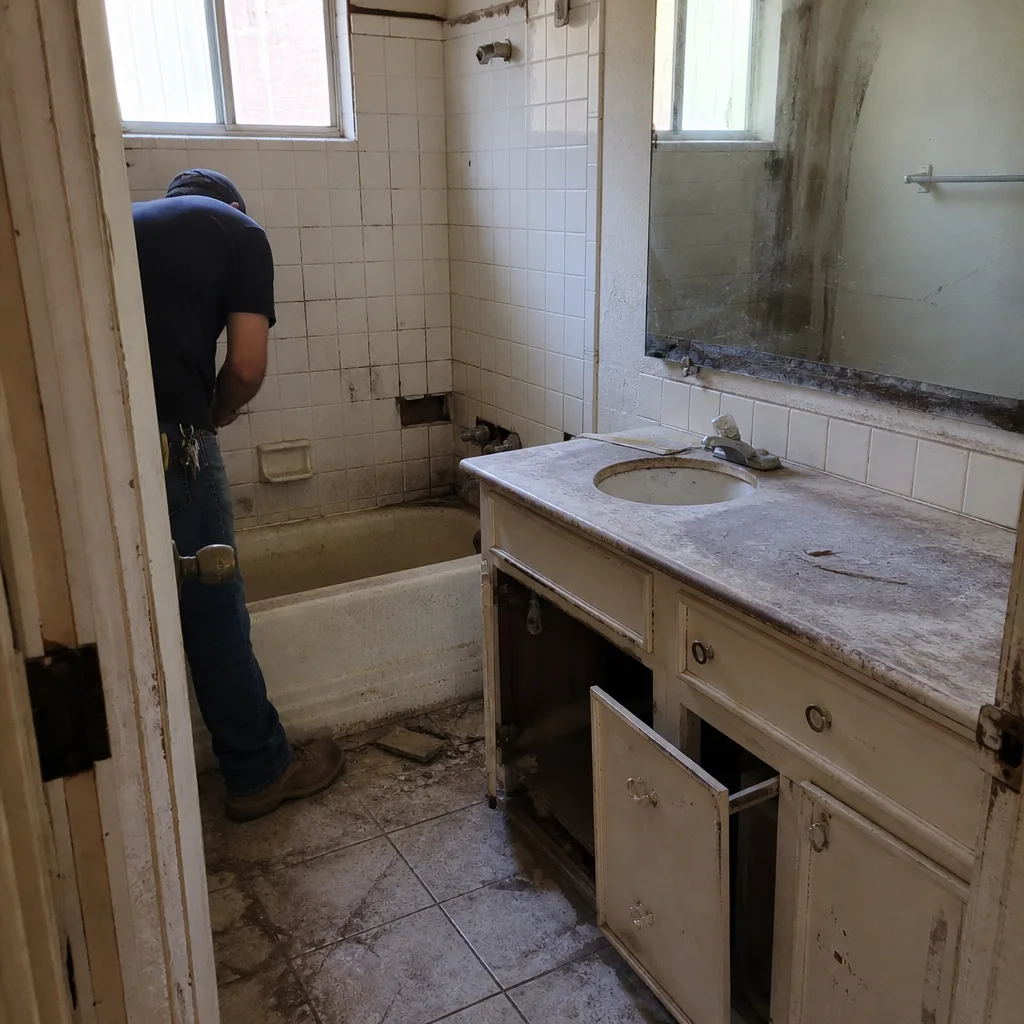 Before
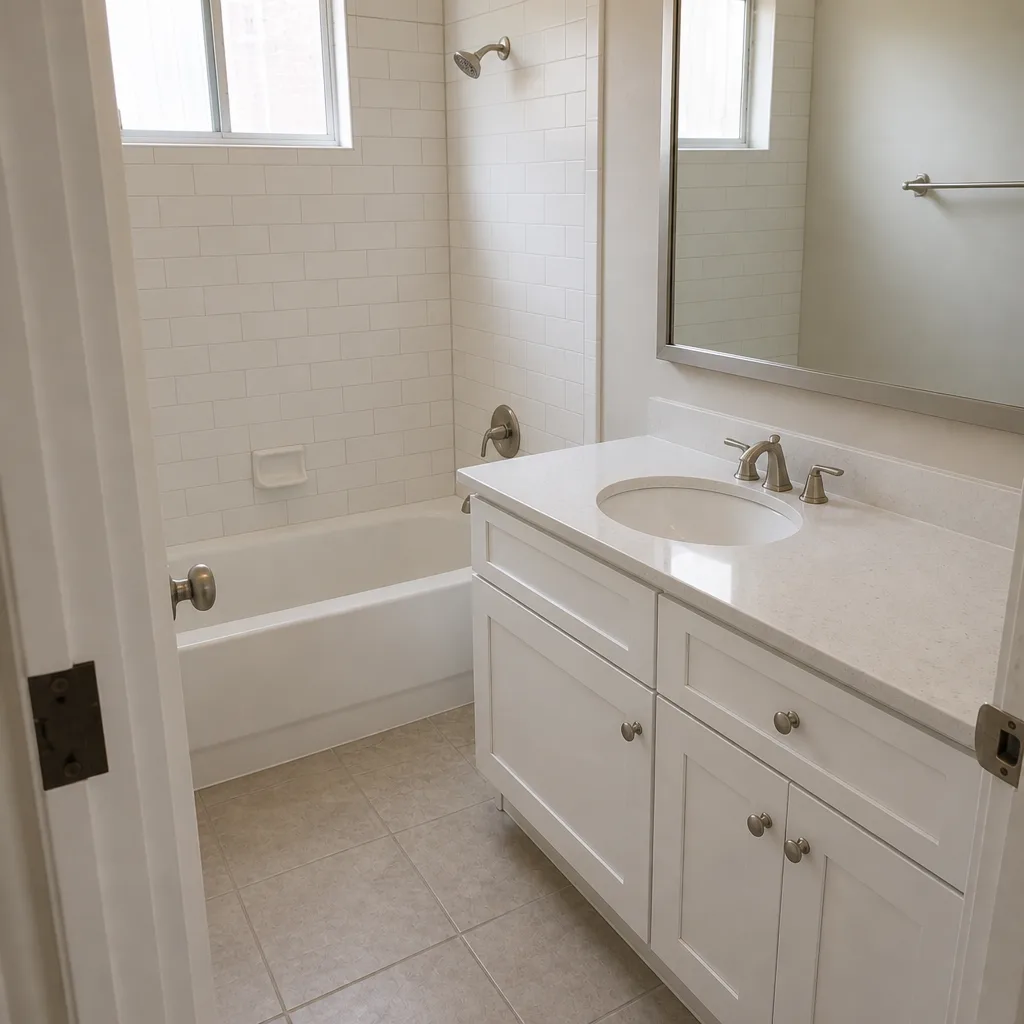 After
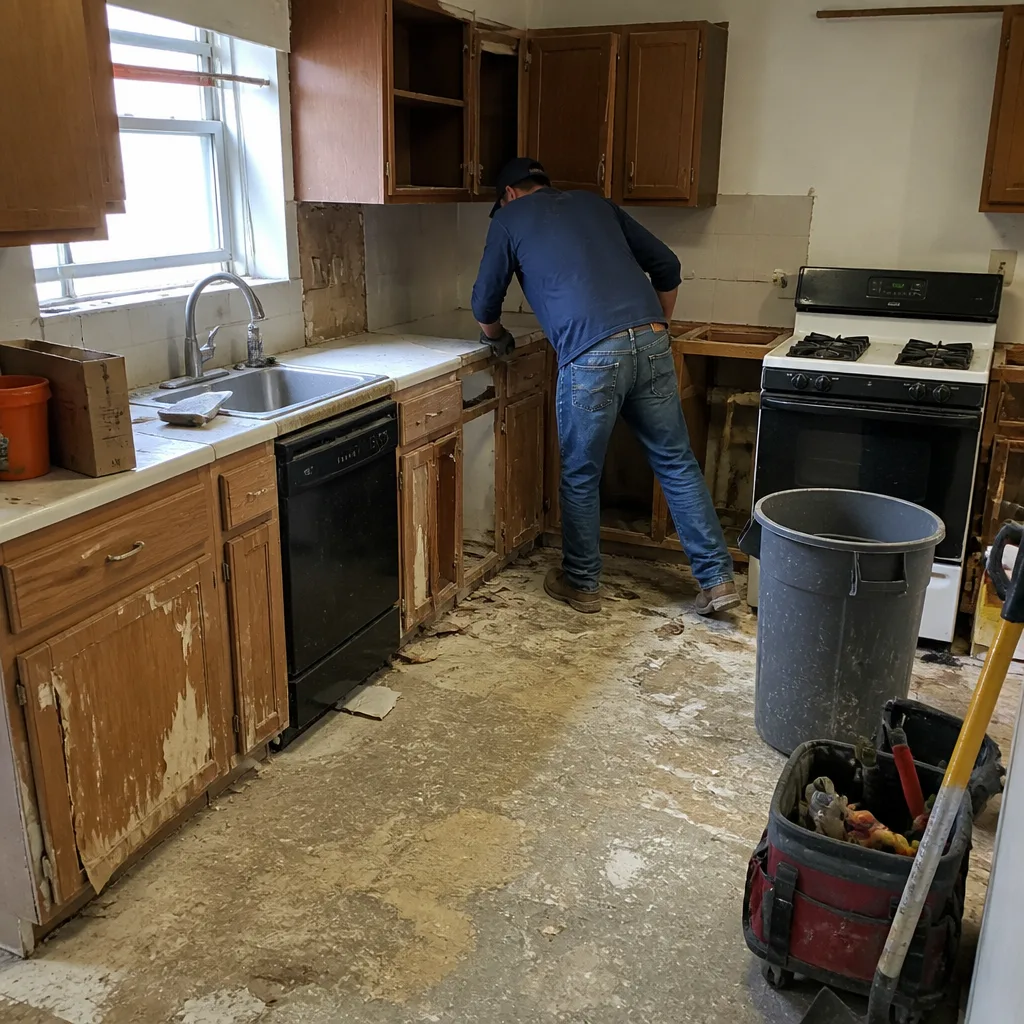 Before
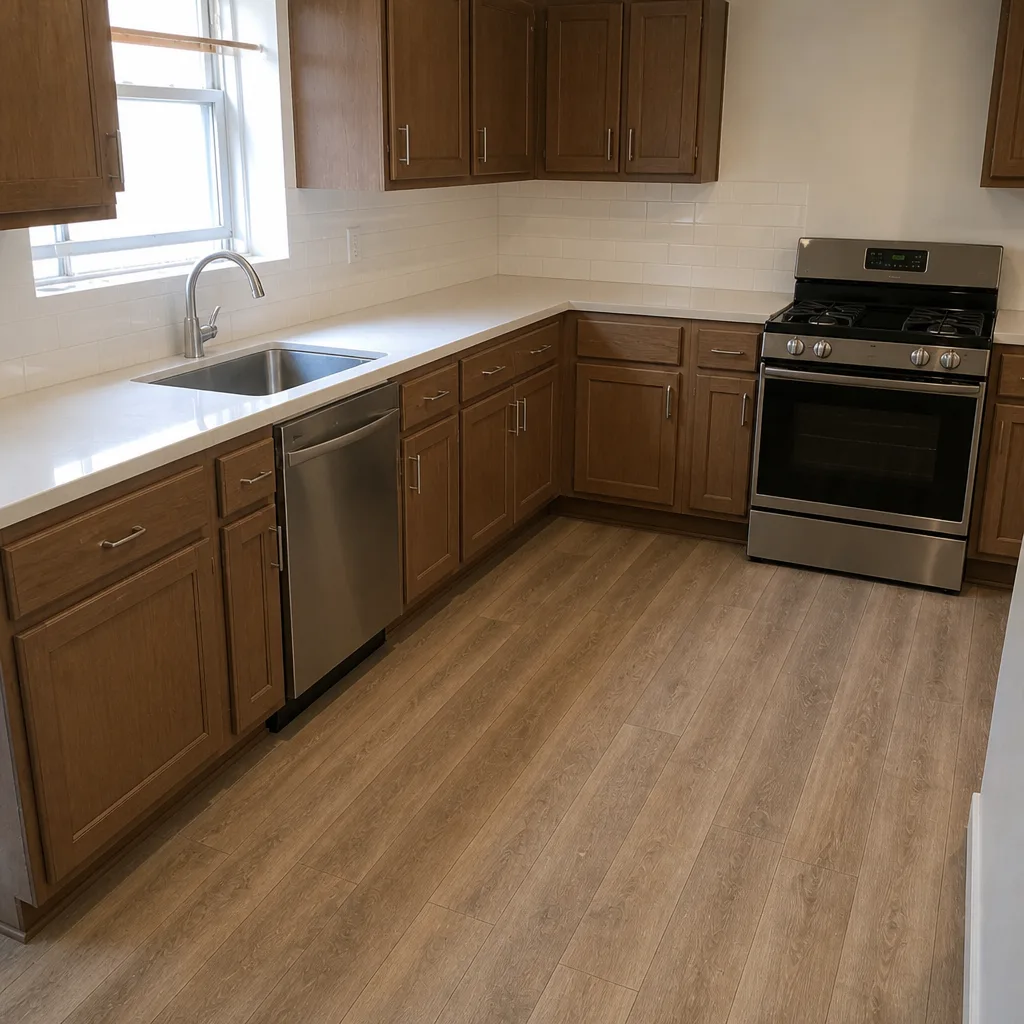 After
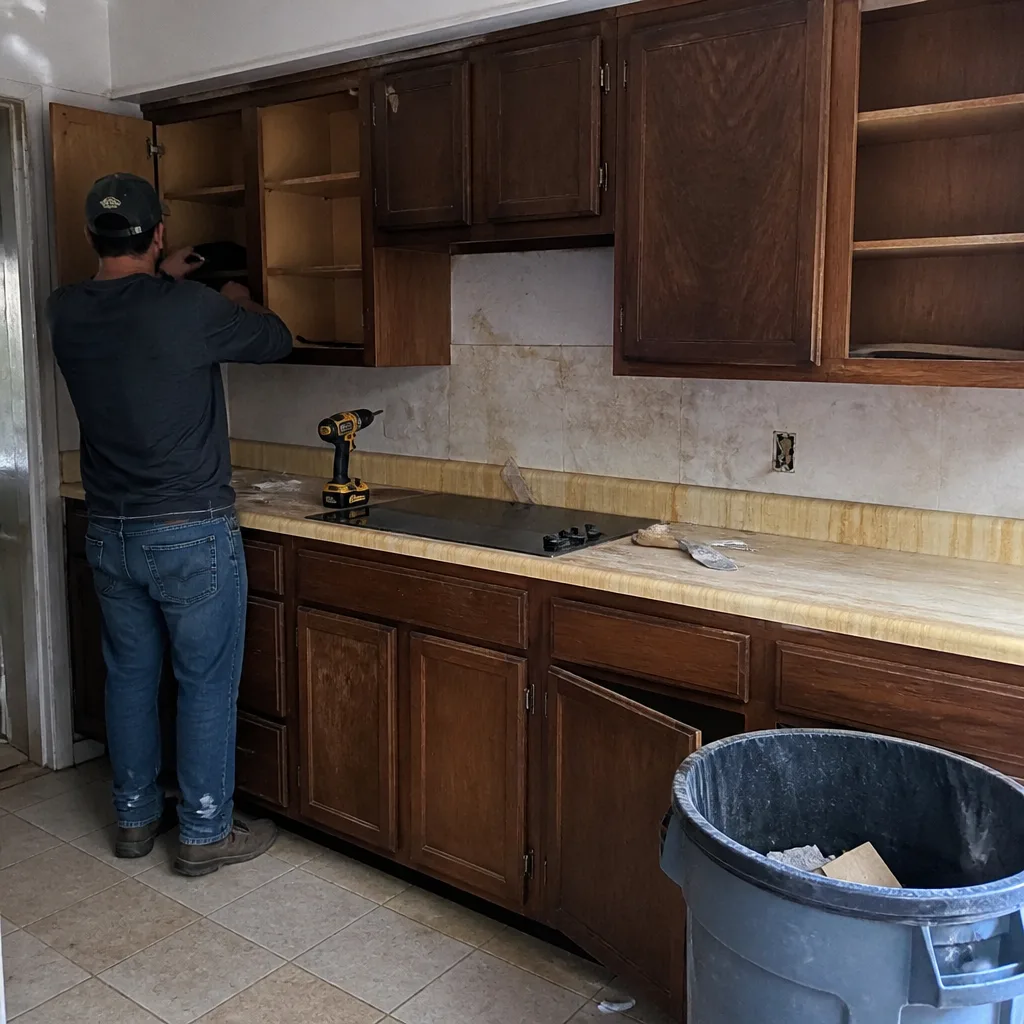 Before
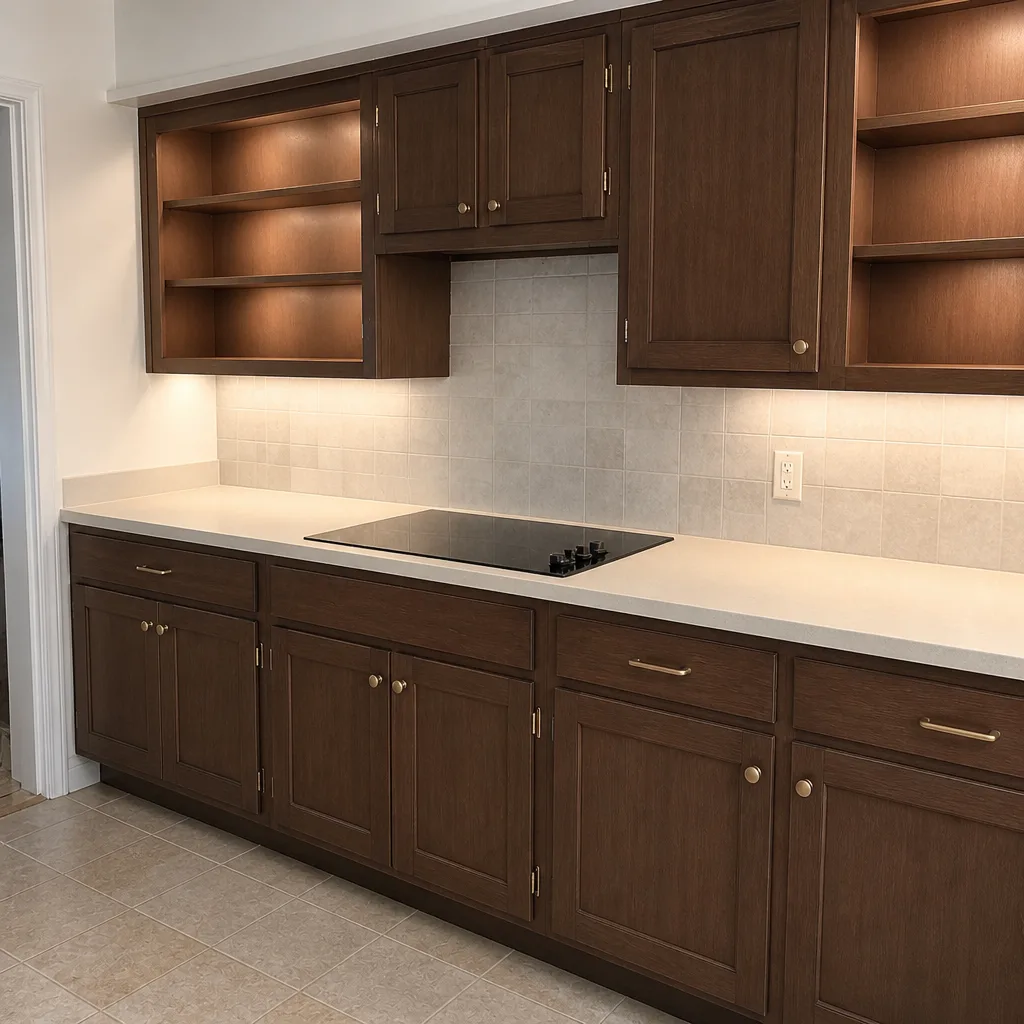 After
When to Call a Professional
Some construction problems are weekday-afternoon projects. Some are calls. The line is usually height, water, electricity, gas, or structure. If water is actively coming into the house, call now (shut off what you can while you wait). If the roof has visible damage or an attic deck is wet, call. If the electrical panel has been wet, call. If you smell gas, get out and call. If a wall, ceiling, or floor feels soft underfoot, call. If a crack line has appeared or grown, call. For everything else, you’ve probably got a week to think and call for an estimate. Construction Lewisville offers free estimates in Lewisville – call (833) 620-6067. We answer 24/7. Fast dispatch from 7am to 7pm, Sunday through Friday. One team handles the exterior and the interior, so a single call covers the whole repair scope whether it’s roofing, a new fence, or the interior reconstruction afterward.
Frequently Asked Questions

Take a pre-storm photo set and get a contractor relationship on file. Both are free and both pay off in a claim. Photographs of your roof, walls, attic, and utility shutoffs before damage make it much easier to prove what the storm did, and a contractor who already knows your house can slot you into the schedule when the backlog forms. Call (833) 620-6067 to get on the schedule or ask questions about your property.
Emergency work is priced per job, and the written estimate sets the final price, so there’s no flat rate we can quote over the phone. What we do: free estimates, written line-item scope, and no change orders once work starts. Call (833) 620-6067 to schedule the estimate. A call outside dispatch hours is booked into the next opening, Sunday through Friday, 7am to 7pm.
Sometimes. Structural repairs, electrical work, plumbing, and anything that changes the building footprint generally require a permit in most cities, while a tarp or temporary board-up usually doesn’t. Ask your city’s building department what your specific repair needs. We pull permits and coordinate inspections as part of the scope when a permit is required. Call (833) 620-6067 if you want us to walk through what your job requires.
Only from the ground. Do not get on the roof. Wet shingles, ladders, and wind are dangerous, and a fall is far worse than a leak. Put a bucket under the drip, move valuables, photograph the damage, and wait for a professional. We answer 24/7; fast dispatch from 7am to 7pm, Sunday through Friday. Call (833) 620-6067.
Photos and video of all visible damage, in original condition, before any cleanup. Include wide shots and close-ups with scale, note the date and time of discovery, and keep receipts for any temporary materials (tarps, fans, extraction). That set of photos plus a written scope from one contractor gives your claim its strongest footing. Call (833) 620-6067 to schedule an estimate and get a written scope.
Price is set per job by the written estimate, not by the hour or by the time of day. Our dispatch hours are Sunday through Friday, 7am to 7pm, and the estimate itself is free. Call (833) 620-6067 to get one scheduled. A call outside dispatch hours is booked into the next opening.
Most policies require prompt notice, and a long delay can reduce or complicate a payout. Report the damage as soon as you’ve documented it, even if the full scope isn’t clear yet. Failure to mitigate can also affect a claim; tarping, drying, and moving belongings out of harm’s way are all reasonable and expected. If you want a contractor document report to support a claim, call (833) 620-6067 for an estimate and photo report.
The Bottom Line
Lewisville’s construction emergency calendar is written into the weather: freeze events in winter, hail and flash flooding in spring, wind in summer. Preparation is not a bag of supplies in the closet; it’s knowing what risk window is coming, doing the audit that finds the weak spot before the storm does, and having a contractor relationship and a photo record in place before damage happens. The homeowners who come out cheapest are usually the ones whose only advantage was starting a season early. Document your house, check your roof, clear your drainage, know your shutoffs, and get one contractor on file who can handle the whole envelope. Estimate is free, and the call is the easy part.
Call (833) 620-6067 to schedule a free estimate with Construction Lewisville. We answer 24/7. Fast dispatch from 7am to 7pm, Sunday through Friday. From a single bathroom fix to a full exterior rebuild after a storm, one contractor, every phase. We’ll walk you through the material options before a single measurement is taken, and the written line-item quote sets the price before work starts.
Written by the team at Construction Lewisville.